
Reviewed · COOKING CLASSES
Authentic Mexican Legacy Cooking Class in Cabo San Lucas
This is interesting because it blends a chef-led cooking workshop with an open-air restaurant garden, so you’re learning Mexican flavor from the plants you see right there. I really like the small-group size (up to 10 people), and I love that you’re taught how to replicate four authentic dishes at home, not just eat a dinner. One possible drawback to keep in mind: the class style can be part cooking, part assembling, and part kitchen-driven service, so if you want non-stop chopping the whole time, your expectations may need adjusting.
You meet at Metate Cabo in El Tezal, and the evening has a natural flow: a tour, ingredients, a drink, then appetizers and dinner, all in about 3 hours starting at 5:00 pm. In the hands-on parts, you may press tortillas and assemble dishes, while the chef and staff handle other steps so everything lands on the plate hot and on schedule.
Key things to know before you go
- Up to 10 travelers, so you get real attention when you ask questions
- Garden ingredient tour at Metate Cabo, with typical Los Cabos plants and herbs
- Cocktails included, and many nights include a mezcal-style drink experience
- Learn four dishes to recreate at home, with step-by-step guidance
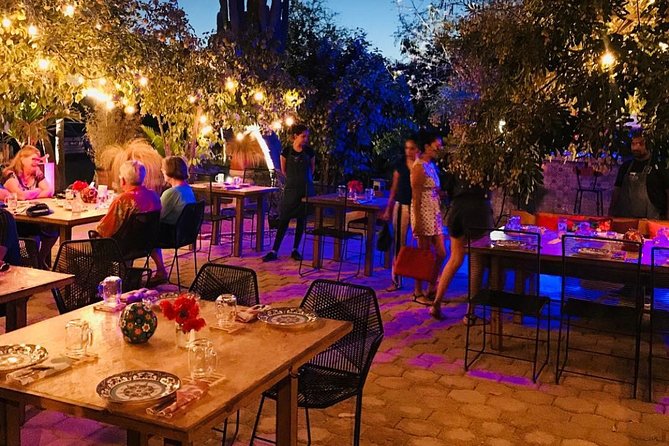
- Open-air dining that keeps the experience relaxed and social
Metate Cabo’s garden vibe is the heart of the class
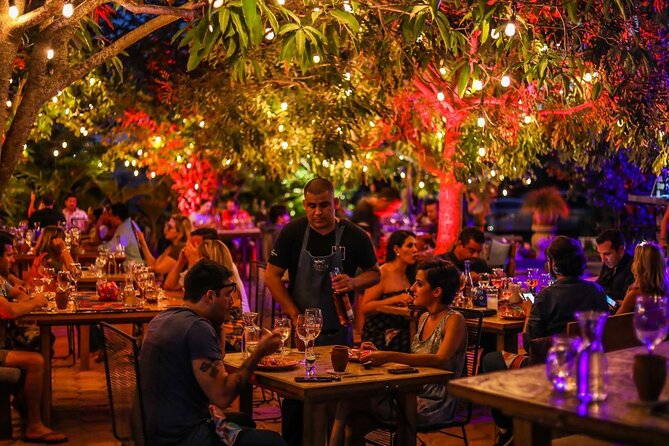
The setting matters here. Metate Cabo is known for an outdoor, garden-centered dining layout, and this cooking class leans hard into that atmosphere. Instead of starting with a demo in a sterile kitchen, you start by looking at what grows where you are eating. That shift is more than pretty. It helps you understand flavor in a practical way, like why certain herbs feel bright and lift a dish, while other ingredients bring body and depth.
I also like how the pace feels built for conversation. With a max group size of 10, it’s not you crammed into a big room. You can ask questions, and the chef can actually answer. That makes the class more useful if you’re trying to learn what to look for when you cook later.
That said, you should know what kind of class this is. This is not a turn-your-everything-into-a-lab situation. Multiple descriptions point to a format where some steps are hands-on, and other components may be partially prepared. For me, that’s not automatically a negative. It means you spend time learning the “why” and key techniques, not just doing repetitive prep.
More Cooking Classes in Cabo San Lucas:
- Cabo San Lucas Mexican Cooking Class Experience and Local Markets
★ 5.0 · 915 reviews - Puerto Vallarta Cooking Class Experience with Market Tour
★ 5.0 · 698 reviews - Mexican Cooking from Scratch in a Local Home in Tulum
★ 5.0 · 585 reviews
Where the experience starts, and why the timing works
You’ll start at Metate Cabo, Av. Crispin Ceseña S/N, El Tezal, 23454 Cabo San Lucas, B.C.S., Mexico. The start time is 5:00 pm, and it runs about 3 hours, ending back at the meeting point.
That timing is a smart fit for Cabo. You get daylight for the garden tour, then dinner lands in the evening without feeling like an all-night commitment. If you already have evening plans, check your schedule. This is one of those activities that deserves your focus, especially because part of the value is listening to the ingredient explanations.
Transportation is also a practical plus. The meeting location is noted as near public transportation, which can make it easier to slot into a broader Cabo itinerary, particularly if you’re not planning to rely on a private driver for everything.
The ingredient garden tour: what you’re really learning
The class begins with a walk and ingredient introduction. You’re told you’ll start with local ingredients in the garden area inside the restaurant, with the typical flora of Los Cabos. In plain terms, this is your flavor map.
Expect a walk-through of plants and herbs used in the dishes. One review mentioned learning about different herbs, vegetables, and fruit grown on the property that are used in the recipes for the restaurant. Another described a tour that also included a light taste of Mexican culture and history in the space around the restaurant, not just plants.
Here’s why it’s valuable for you: when you know which ingredients the chef treats as essential, it becomes easier to rebuild dishes at home. Instead of remembering a vague idea like “it tastes fresh,” you can remember the actual players, like what herbs are used and what spices show up where.
Cocktail and mixology time: included, and often a favorite
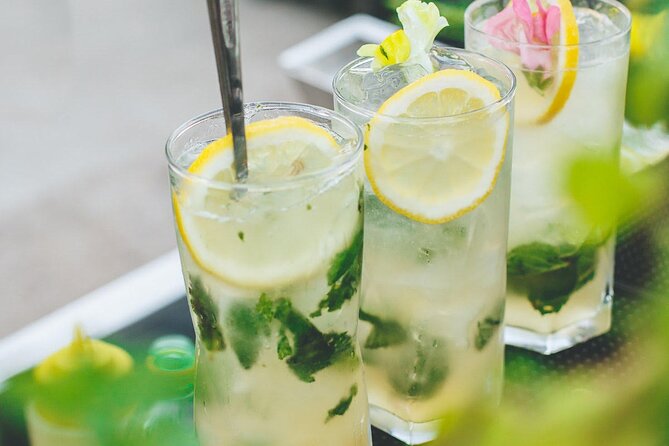
Your class experience includes a cocktail along with the meal. Multiple descriptions point to drinks like a hibiscus welcome beverage and a later cocktail activity that may involve mezcal and fresh ingredients. In at least one detailed account, people mentioned muddling fresh herbs and ginger, then using that base for the drink.
If you like the social side of food, this is a good moment. It turns the class from a lecture into a shared experience. Also, learning a drink component can be a shortcut to understanding Mexican flavor combinations, because citrus, herbs, and sweetness show up again and again in cooking.
One practical note: if you’re hoping for a calm, zero-chaos dinner, arrive ready to pay attention. This is not a slow wine tasting. It’s an organized flow with multiple groups moving through stations and courses.
More Cabo San Lucas options side by side
- La Paz World Class Snorkeling in Balandras Hidden Beaches
★ 5.0 · 582 reviews - Mexican Cooking Class with Food Market Visit in Mexico City
★ 5.0 · 506 reviews - Los Cabos Surf Lesson at Costa Azul
★ 5.0 · 398 reviews - Bean to Bar Chocolate Workshop in Puerto Vallarta
★ 5.0 · 381 reviews
Appetizers and tortilla work: how hands-on it feels
This is the section where expectations can vary the most. The experience is described as learning steps to recreate four dishes at home, but what you actually do with your hands can range from active prep to more of an assembly and tasting role.
On the positive side, some descriptions are very hands-on:
- You might help with making fresh tortillas by pressing dough.
- You might work on ceviche prep, including steps like chopping or mixing components such as tomatoes, onions, cilantro, lime juice, and fish.
- You might press empanada dough, fill it, and then hand it to the kitchen.
On the other side, there are descriptions that sound more station-like:
- Ceviche may be presented as a bowl where vegetables are already cut, and the fish portion may be minimal.
- Empanadas may be partially handled by staff, with the class more focused on learning and assembling than cooking from scratch.
So how do you interpret this? Plan to be involved, but not the sole cook. You can still learn useful techniques, especially the tortilla component. Tortillas are one of those skills that feels small until you try it at home. Even if the dough prep is simplified, pressing tortillas teaches you the texture and thickness control that matters.
If you want the most hands-on version, show up ready to ask questions early, and watch for where the chef asks for help versus where staff is moving in to keep everything on time.
Ceviche, empanadas, and that Mexican spice logic
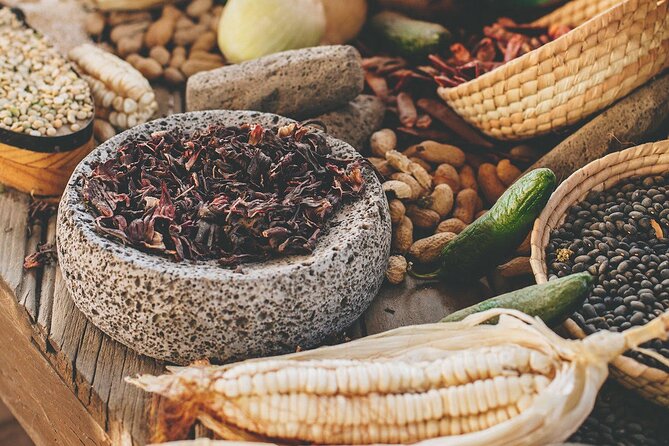
Whether your ceviche is fully chopped by you or mostly assembled, the learning theme stays consistent. You’re getting a run-down of Mexican ingredients, including spices, and you’re tasting what changes when balance shifts.
Ceviche is a great teaching dish because it forces flavor to come together quickly. Lime or citrus does the heavy work, but herbs and aromatics decide whether it tastes bright or flat. That’s why it’s worth paying attention, even during the “station” version.
Empanadas add another lesson: structure. You’re learning how filling and dough work together, and what a finished empanada should feel like when it comes out. One description specifically called out empanadas with huitlacoche, the corn fungus that is considered a delicacy in Mexico. If huitlacoche shows up on your menu, take a moment to understand how its earthy flavor fits with the rest of the filling.
These are the kind of details that help you when you cook later, because you’ll know what to look for instead of guessing.
Dinner: from tortillas to the main course experience

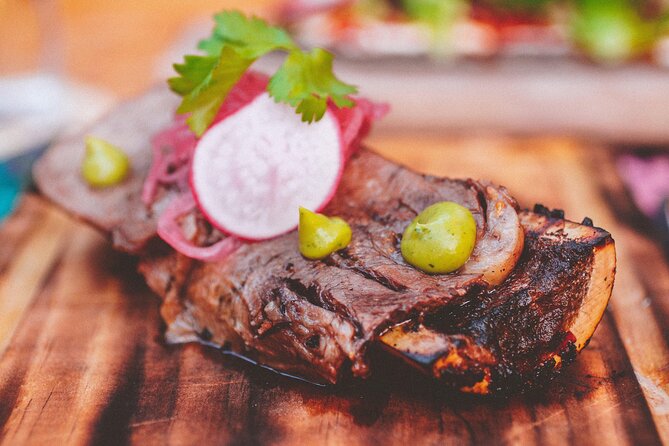
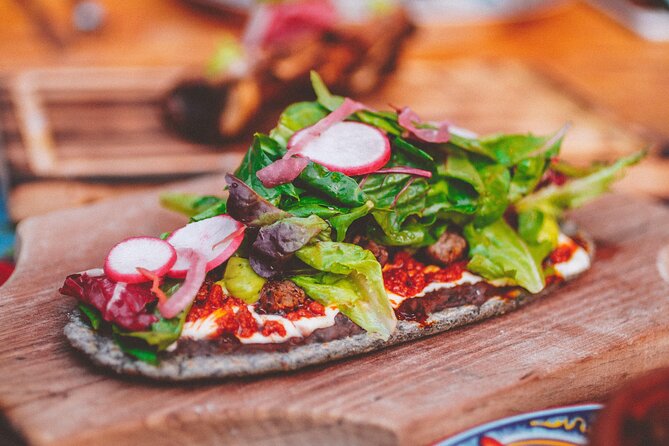
The main course can vary by what’s on the menu that night. One sample main listed for this experience is Tlayuda de la Huerta, with ingredients including black bean, Oaxaca cheese, mushrooms, tomatoes, pumpkin flower, avocado, and epazote.
In detailed descriptions, dinner also includes other substantial items like braised or tender pork shank served with homemade or blue corn tortillas, plus sides like guacamole and pico. Some accounts mention fish tacos with grilled pineapple, and others mention a broader spread that includes multiple appetizers before dinner.
Here’s the practical takeaway for you: you should expect a real meal, not a couple bites and a pat on the back. Even the “less hands-on” versions still include a full dinner service with enough food to feel like you truly ate.
Also, pork shank is a smart dinner anchor for teaching. When a dish is this tender, you can taste the effect of technique, time, and heat. It’s easier to remember what success tastes like.
Desserts and the final taste test
Flan is a common dessert closing the meal. One account called out flan as especially impressive, even for someone who doesn’t normally like it. That matters because flan often gets dismissed as too sweet or too egg-forward. If they serve a version you actually enjoy, it can become another dish you want to reproduce at home.
In the end, desserts are where you get the complete flavor picture. It’s not only about savory cooking. Mexican sweets and drinks carry the same spice logic and citrus logic. If you’re paying attention, you’ll notice it.
Chef-led learning, plus the staff that makes it work
The chef experience is a major reason people rate this highly. Names that show up include Roberto, Chef Sue (also spelled Su), and support from servers like Job. In a small-group class, these roles matter because you want a teacher who can explain without rushing, and staff who can keep the meal moving smoothly.
One review described a chef who explained each element of the dinner at a good pace, and another described a very quick English delivery. That’s not something you can fully control, but it’s worth planning for. If you’re sensitive to fast speech, sit closer to the chef when possible and don’t be shy about asking for repetition.
There are also accounts where the service team handled dietary needs, including fish allergies. That’s reassuring if you have to communicate restrictions and you want staff to be able to respond.
Group size is small, but your role may shift during the night
Because the group size caps at 10, you’ll generally feel less lost than you would in a larger cooking event. You’ll have time for questions, and there’s a better chance the chef notices who is engaged.
Still, the class structure can include stations. You might move between drink preparation, ingredient explanations, appetizer assembly, tortilla pressing, and then dinner service. That means your exact level of hands-on cooking may change depending on:
- How busy the restaurant is that night
- How many people are in your particular group
- Which dishes are on the course flow for your session
So for best results, I recommend you treat it like a guided food lesson more than a strict “everyone cooks every step” workshop. You’ll leave with more than recipes. You’ll leave with a sense of how the restaurant thinks about flavor.
What you can recreate at home: the four-dish payoff
The biggest promise is that you learn all the steps to replicate four authentic dishes at home. That’s the difference between this and a standard dinner. It’s also where the garden tour and spice explanations become practical.
Based on what’s shown in the menu examples and the dish set described during the experience, your four dishes may include a mix of:
- A Mexican drink, like a mezcal-style cocktail
- Ceviche
- Tortilla making (often pressing fresh tortillas)
- Empanadas
- A main dish like tlayuda or a pork shank style entree
- Dessert like flan
Because what you do hands-on can shift, I suggest you watch for what the chef emphasizes as the key steps. Those are the steps you’ll want to replicate later. If you’re writing notes, focus on ingredient names and technique points, not just the final plating.
And here’s a small but important mindset tip: even if you don’t cook every last component from scratch at the restaurant, you’ll often learn the home-friendly path. That’s usually what you actually want anyway.
Value and how to decide it fits your trip
Even without getting into specific pricing, you can judge value by what’s included. This experience brings together:
- A chef-led ingredient lesson with a garden tour
- A cocktail as part of the experience
- Multiple courses, typically including appetizers, dinner, and dessert
- A small group format that allows questions
- The goal of learning four dishes for home cooking
So if you’re the kind of traveler who wants a memorable night that’s more than scenery, this can be a strong buy. It also fits well for people who like food culture and don’t mind learning while they eat.
It may not be your best match if:
- You want a nonstop, hands-on cooking marathon
- You’re expecting to cook every component yourself from raw ingredients to finished plate
- You need very slow, highly paced instruction in English (some sessions may feel fast)
On the flip side, it’s excellent for couples, friends, and families who want a social food experience with clear takeaways. The format is also friendly if you’re traveling with teens or mixed skill levels because some steps are learn-as-you-go while staff helps keep the cooking process moving.
Should you book the Authentic Mexican Legacy Cooking Class?
Yes, if you want a chef-led evening that teaches Mexican flavor logic through a garden setting and ends with a full meal. I’d book it if you like the idea of learning four dishes and coming home with practical skills like tortilla pressing and core prep methods for things like ceviche or empanadas.
I’d be a little cautious if you’re expecting a strict, fully hands-on cooking class where you do every cut and cook step yourself. The experience can be partially station-based and restaurant-paced, and your personal involvement may vary by course flow.
If you go, go hungry, stay curious, and lean into the questions part. With a small group, that’s where the class becomes more than dinner, it becomes something you can actually repeat.
FAQ
How long is the cooking class in Cabo San Lucas?
It lasts about 3 hours.
What time does the experience start?
The start time is listed as 5:00 pm.
Where do I meet for the tour?
Meet at Metate Cabo, Av. Crispin Ceseña S/N El Tezal, 23454 Cabo San Lucas, B.C.S., Mexico.
Is this class offered in English?
Yes, it is offered in English.
How large is the group?
The class has a maximum of 10 travelers.
What should I expect to eat and drink?
You can expect a cocktail and a full meal, and you will learn steps to replicate four authentic dishes at home. Dessert is also included.
What if the weather is poor?
This experience requires good weather. If it’s canceled due to poor weather, you will be offered a different date or a full refund.
New reviews in from Cabo San Lucas
- Cabo Candelaria Village Adventure + Tequila Tasting★ 5.0 · 288 reviews
- Los Cabos Whale Watching (Transportation and Pictures Included)★ 5.0 · 290 reviews
- Cabo San Lucas Arc Group Tour in Glass Bottom Boat★ 5.0 · 297 reviews
- Cabo Candelaria Village Double UTV Adventure★ 5.0 · 304 reviews
- Park Pass at Wild Canyon One Place, Many Adventures★ 4.5 · 314 reviews
- UTV, Free Horseback Ride, and Sky Bike Adventure Combo★ 4.5 · 317 reviews
- Cabo Original Real Baja 1000 Tour (Single ATV)★ 5.0 · 318 reviews
- Private Catamaran Escape for 2-6 Guests: Celebrate Your Way★ 5.0 · 321 reviews
Cooking Classes, compared.
Cabo San Lucas Mexican Cooking Class Experience and Local Markets
Read our review →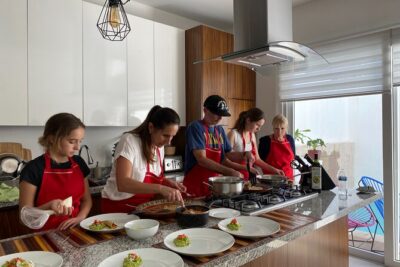
Puerto Vallarta Cooking Class Experience with Market Tour
Read our review →
Mexican Cooking from Scratch in a Local Home in Tulum
Read our review →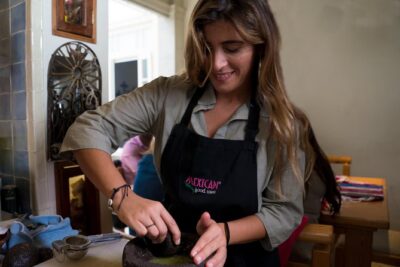
Mexican Cooking Class with Food Market Visit in Mexico City
Read our review →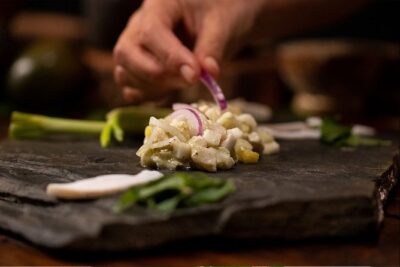
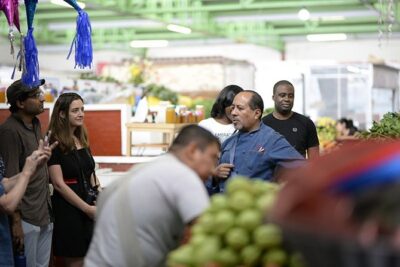
Flavors of Oaxaca: Cooking Class with No Set Menu and Local Market Tour
Read our review →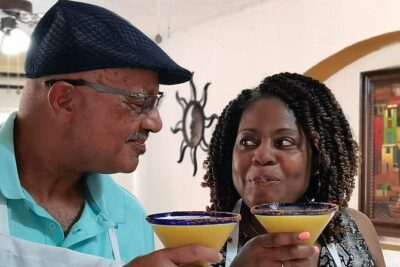
Taste of the Yucatan: Merida Cooking Class and Market Visit
Read our review →Browse the lists this tour appears in