
Reviewed · CITY TOURS
Day of the Dead Tour in Mexico City
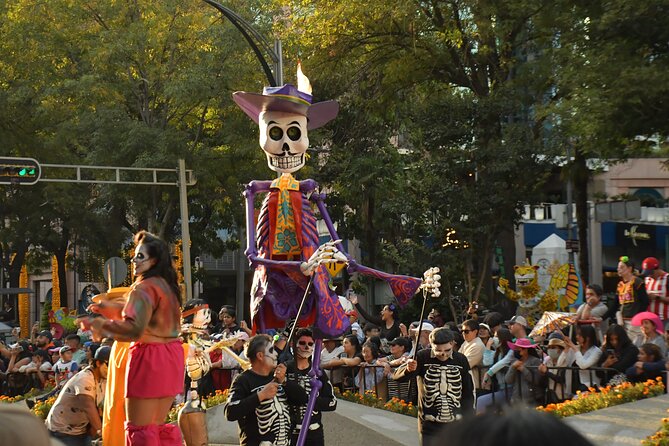
A Mexico City Day of the Dead night tour like this is interesting because it links two sides of the holiday at once, the solemn Panteón altars and the lively canal scene in Xochimilco. I like that a certified guide explains why pre-Hispanic and Catholic ideas about death show up side by side. I also like that your evening includes live mariachi during the trajinera ride, not just a photo-op.
The main drawback to plan around is timing. This kind of night tour runs on city traffic and tight schedules, and some past outings have suffered from long waits or changes that cut into how much time you get at each stop, so keep expectations flexible and dress warm.
Key things to know before you go
- Nighttime Panteón visit with altar viewing and guidance on how Mexican traditions mix beliefs
- Xochimilco trajinera cruise plus live mariachi during the ride
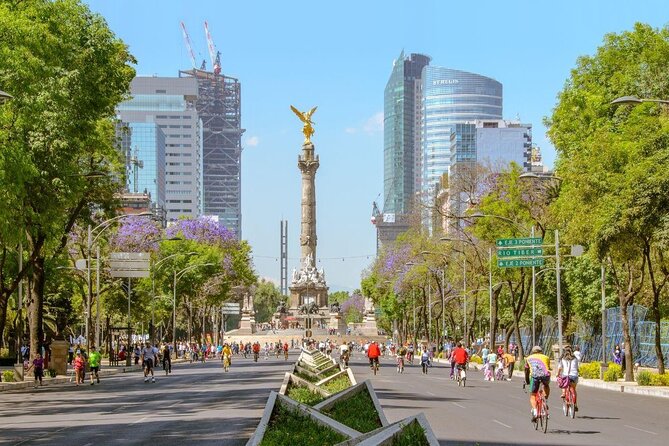
- Panoramic city drive past major monuments like Monumento a la Revolución and Paseo de la Reforma
- Transport and entrances included, but food is not, so you need a meal plan
- Group size can feel big, since the tour max is 99 people
What you are really buying with this Day of the Dead night tour
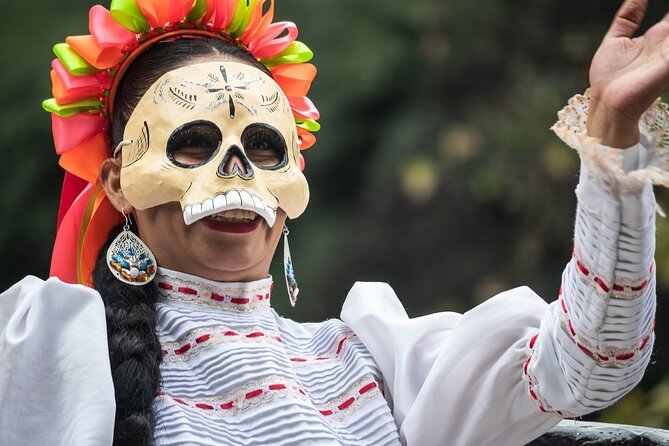
This is a classic Mexico City format for Día de Muertos: you start with the cemetery side of the celebration, then you end on the water, where music, color, and motion take over. The cemetery stop is the “why” of the holiday for many people, because families create altars to welcome and honor ancestors. The canal ride is the “how people keep living” part of the story, with a fun atmosphere powered by music.
The value here is that you do both in one ticket, instead of piecing together a cemetery visit and a separate Xochimilco activity. You also get a guided layer, with your guide explaining what you are looking at and why it matters.
The trade-off is that a combo tour like this lives or dies by logistics. When traffic hits, you can feel it most during the bus time, not at the stops. That matters because the night is short, and the holiday moments are scheduled.
More City Tours in Mexico City
- Mexico City: Teotihuacan, Tlatelolco & Guadalupe Shrine Tour
★ 4.6 · 3,773 reviews - Teotihuacan Hot Air Balloon Flight from Mexico City / Volare
★ 5.0 · 3,262 reviews - Teotihuacan Private Tour from Mexico City
★ 5.0 · 1,890 reviews
Price and value: does $73 make sense for what you get
At $73 per person, you are not paying for a private experience. You are paying for a packaged night that includes round transport, a certified guide, cemetery entrance, a trajinera boat ride, and a live mariachi performance.
That inclusion list is the key to the value argument. If you tried to assemble the same elements on your own, you would likely spend time coordinating transport and ticketing for the cemetery and boat ride. Here, those pieces are bundled and the tour ends back at the meeting point, which saves headache at 10pm or later.
Food is not included, so decide how you will handle meals before you commit. Some people end up buying food from nearby stalls or at the market area near the cemetery, while others plan snacks for the boat portion. Either way, budget for it, because you will probably want something warm or filling during an evening that can run 7 to 8 hours.
6pm departure, long rides, and what that means for your night
This tour starts at 6:00pm and lasts about 7 to 8 hours. That timing is important because you are traveling through peak evening traffic, and Día de Muertos is a holiday when roads can get crowded.
A recurring theme in real-world outings is waiting. Even when the tour schedule says 6pm, boarding can begin earlier and departures can slip, especially if buses need to arrive and groups need to be sorted. In some English groups, audio and guidance can be harder to hear, especially if you are sitting farther back on a larger vehicle.
I would plan your evening like this:
- Use the restroom before boarding.
- Wear layers, nights can be chilly, and you are outside more than you think.
- Sit where you can hear your guide if your bus has a microphone setup.
If you have your heart set on getting maximum time at the cemetery and canals, this is the biggest consideration. The tour is designed around those stops, but traffic can steal time from them.
The panoramic drive: monuments you pass before the cemetery
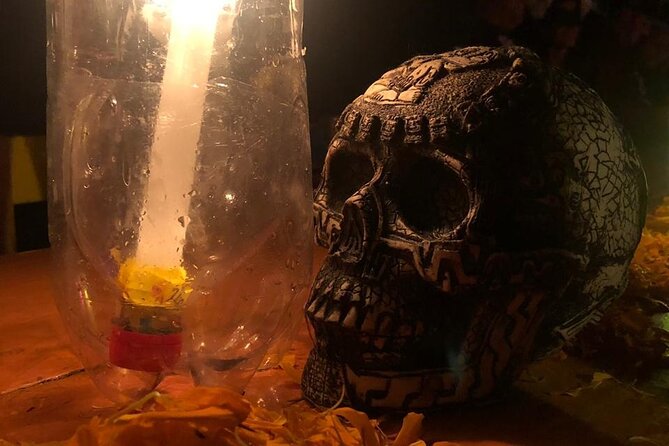
Before you reach the cemetery, you get a city view drive past some of Mexico City’s most famous landmarks. You may see Monumento a la Revolución, the Ángel de la Independencia, and Paseo de la Reforma as the night tour gets underway.
Even at night, the bus ride can do one useful job: it helps you get your bearings quickly. You connect the holiday evening to the city around it, instead of thinking of Día de Muertos as something isolated from everyday Mexico City life.
Just be honest with yourself about expectations here. This drive is not the main event. If the bus time ends up long due to traffic, the “scenic drive” portion can start to feel like waiting. Still, if you want context, it’s a nice setup before you arrive at the cemetery, where symbolism is the point.
Something else to do with a Mexico City day:
- Teotihuacan, Guadalupe Shrine & Tlatelolco Day Tour with Lunch
★ 5.0 · 11,603 reviews - Xochimilco, Coyoacan and Frida Kahlo with Optional Lunch
★ 4.5 · 7,320 reviews - Balloon flight + Breakfast in cave + Pyramids + Pick up CDMX.
★ 5.0 · 6,335 reviews - Teotihuacan pyramids morning or afternoon without tourist traps
★ 5.0 · 6,186 reviews
Panteón after dark: altars, mixed beliefs, and real atmosphere
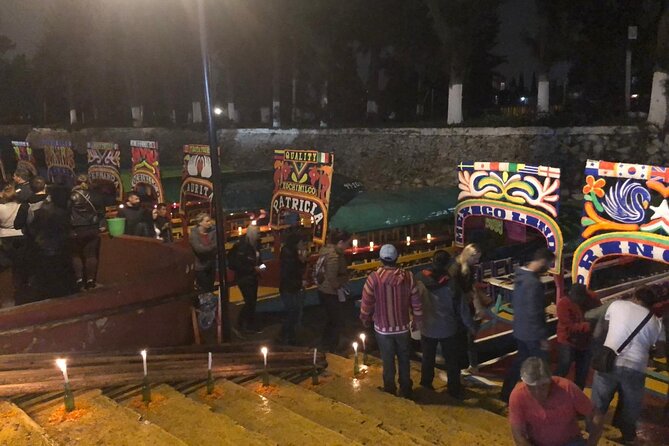
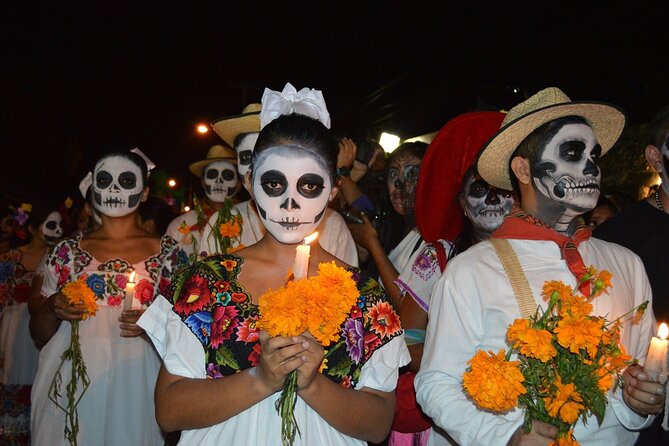
The first major stop is at the Panteón at night. This is where you see the holiday in its most emotional form. Local families build beautifully crafted altars honoring ancestors, and your guide explains the blend of pre-Hispanic and Catholic ideas about death.
The cemetery stop is scheduled as a 2-hour block, with entrance included. That time can be enough to look around, read what is presented, and understand the why behind the visual details, as long as the group actually arrives on schedule.
A practical tip: don’t treat the cemetery as a quick walkthrough. Most of what makes Día de Muertos meaningful happens through observation, and altars are made to be looked at slowly. In some past departures, confusion about meeting points or limited time has squeezed the experience, so arrive mentally ready to move with the group while still taking your time where you can.
Also plan for the fact that cemeteries are dark and uneven. Wear shoes with grip, keep your phone light mode sensible, and avoid blocking other visitors as you stop to take photos.
Xochimilco trajinera ride: chinampas, mariachi, and night visibility
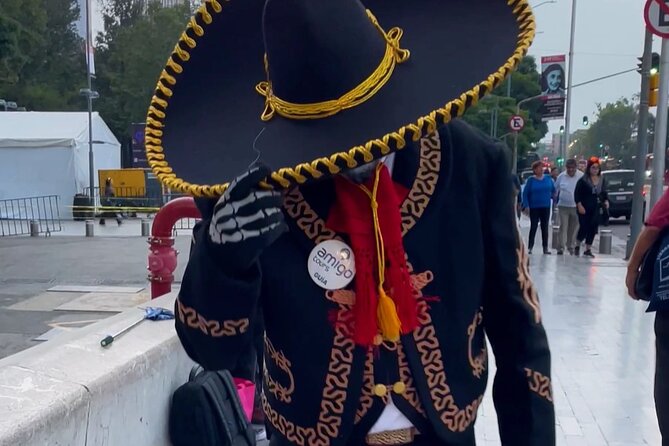
The second stop is Xochimilco, with a trajinera boat ride through the canals. This is one of the best known ways to experience Xochimilco, and the tour adds live mariachi during your ride, plus singing and dancing energy.
You also get to glide by floating gardens, known as chinampas. In daylight, those are easier to see clearly. At night, visibility depends on lighting and weather, so the experience can shift from “see every detail” to “feel the vibe,” especially if it is darker than you expected or if rain is in the mix.
The canal ride is also scheduled as a 2-hour window, and it is a highlight for many people because music changes everything. When mariachi plays on the water, it turns the boat into a shared celebration, not just transportation.
One thing to plan for: Xochimilco mornings and evenings can be busy, and you might hear sales calls from other boats. Some people also find that food and drinks are available for purchase during the experience. Since food and beverages are not included in your ticket price, treat anything you buy as optional, and don’t assume the selection or timing will be perfect for your itinerary.
Group size, guide quality, and how to protect your experience
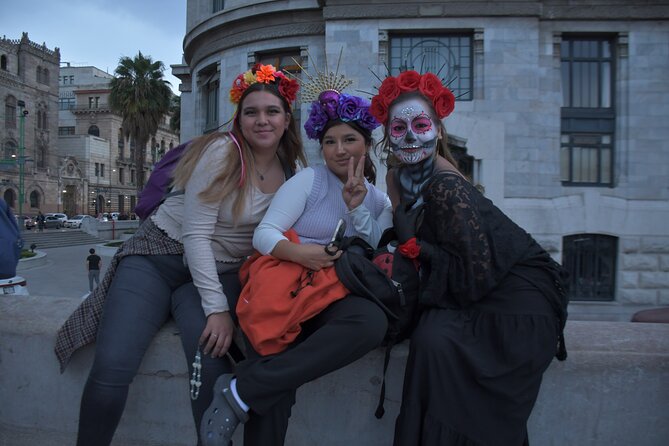
The tour max is 99 travelers, and you should assume you will be part of a larger group. Larger groups can work when the logistics are tight. When they are not, you can end up waiting, re-grouping, or getting less information than you hoped.
Guide quality matters too. In past outings, names like Gabe and Lilly appear tied to the narration, and Pamela comes up as a guide who stayed present when things got messy. That tells me something useful: information quality can vary, and how well your guide manages the crowd affects how meaningful the cemetery and canal stops feel.
Here is how you can protect your experience:
- Stay close enough to hear the guide during explanations.
- Ask questions early if you want specifics about the altars and traditions.
- Keep an eye on where the meeting points are before you scatter for photos.
Also, if you are in the English-speaking group, confirm early that you will be with a guide who can explain clearly. When a microphone is weak or you are too far back, you lose the whole point of paying for a guide.
Practical tips to make the night feel like Día de Muertos
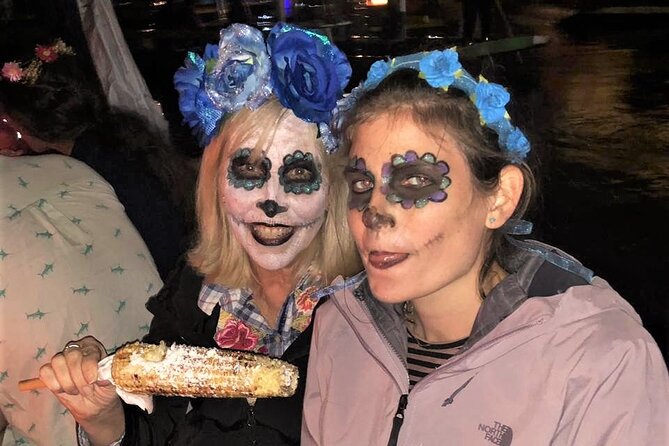
You are traveling at night, sitting on a boat at night, and walking around in a dark cemetery. That means small choices can make a big difference.
Pack like it is chilly and crowded:
- A warm layer for the canal ride, the air can feel colder on the water.
- Comfortable shoes for cemetery walking.
- A small plan for snacks or cash, since food and beverages are not included.
Meal strategy matters because timing can shift. If you arrive at the cemetery and there is time, you may find vendors or a nearby market area where you can eat. If you skip food there, you are likely to eat later or purchase something during the boat portion, which can be more expensive or unpredictable in quality.
Finally, if you really want the ritual part of the holiday, prioritize the cemetery stop in your mindset. The boat ride is fun, but the altars and the guided meaning around them are what turns this from a standard nightlife outing into something specifically Mexican.
Who should book, and who should skip this tour
This tour fits best if you want a one-night plan that mixes the solemn and the celebratory sides of Día de Muertos. It is a good choice for people who like guided context, and for anyone who wants Xochimilco and mariachi without coordinating transportation and timing separately.
It is also a reasonable fit if you are okay spending time on the road. The main “effort” here is logistics: bus rides, potential waiting, and group coordination.
I would consider skipping if you hate long travel in traffic, or if you need a tightly controlled schedule where every minute at the cemetery and canal is guaranteed. In some past experiences, delays and changes have cut into the time you spend at the core stops, and that can turn a meaningful evening into frustration.
One more filter: children below 12 years old are not permitted, so it is not a family-with-young-kids option.
Should you book this Mexico City Day of the Dead tour?
If you want a guided cemetery experience plus a mariachi-powered Xochimilco trajinera ride in the same night, this is a solid idea. The inclusion list is strong for the price, and the cemetery altars plus live music are exactly the kind of Día de Muertos pairing that most visitors miss.
But book with the right expectations. Traffic and crowds are real, and the tour schedule can be pressured by city closures and long transit. If you can roll with a slower start, keep warm, and focus on the cemetery meaning first, you can end up with a memorable night.
If you are the type who needs guaranteed timing, or you cannot tolerate bus delays and uncertainty, you might prefer a smaller-group or more flexible plan where you control how long you stay at each stop.
FAQ
What time does the Day of the Dead tour in Mexico City start?
The meeting start time is 6:00pm.
How long is the tour?
The duration is about 7 to 8 hours.
How much does the tour cost?
It costs $73.00 per person.
What is included in the price?
It includes round transportation from the meeting point, a professional certified guide, entrance to the Panteón (cemetery), the trajinera boat ride in Xochimilco, and a live mariachi performance.
Are food and drinks included?
No. Food and beverages are not included.
What will I see during the Panteón stop?
You visit a cemetery at night, where you can marvel at altars made by local families and learn about the blend of pre-Hispanic and Catholic views on death.
What happens in Xochimilco?
You take a trajinera boat ride through the canals, with live mariachi music, and you glide by floating gardens known as chinampas.
Is the tour offered in English?
Yes, the tour is offered in English.
Can kids join the tour?
Children below 12 years old are not permitted.
Does the tour end back at the meeting point?
Yes. It ends back at the meeting point.
New reviews in from Mexico City
- Walking Tour in Historic Center CDMX★ 5.0 · 50 reviews
- Teotihuacan Pyramids and La Gruta Restaurant★ 5.0 · 50 reviews
- Sunrise Balloon Flight over Teotihuacan and Breakfast in Cueva★ 5.0 · 50 reviews
- Teotihuacan Private Tour, Cave Breakfast and Transportation★ 5.0 · 51 reviews
- Eat in a local house & access to restricted areas in Teotihuacan★ 5.0 · 51 reviews
- Guided tour to Teotihuacan, Basilica, Cave Breakfast and Pickup★ 5.0 · 52 reviews
- Museum of Anthropology: a look at Mexico’s past★ 5.0 · 52 reviews
- Coyoacán and Xochimilco including Frida Kahlo Museum★ 4.0 · 52 reviews
City Tours, compared.
Teotihuacan & Guadalupe Shrine Tour with Lunch
Read our review →
Teotihuacan, Tlatelolco & Guadalupe Shrine Tour
Read our review →
Teotihuacan Hot Air Balloon Flight from Mexico City / Volare
Read our review →
Teotihuacan Early Access Tour & Optional Lunch
Read our review →

Browse the lists this tour appears in