
Reviewed · TEOTIHUACAN TOURS
Unlock Teotihuacan Pyramids: Private Tour & Delicious Local Lunch
Teotihuacán is already special, but this private day trip layers in something you can actually use: you ride public transportation with your guide, then you end with a homemade lunch shared in a local home. I like the way guides such as Roy and Rodrigo connect what you see on the ground to how Mesoamerican civilizations, especially the later Aztecs, talked about this place. One thing to consider is that the day is active, with about 6 km of walking and some steep, hot stair climbs, so you’ll want comfortable shoes and a steady pace.
You start at Casa de los Azulejos in Mexico City at 8:30am and head out early to San Martin de las Piramides, about 30 miles (48 km) away. From there, you get a guided, structured visit to the pyramids area, plus time in a nearby town before you ride back toward Palacio de Bellas Artes.
Key points worth your attention
- Small-group feel with a maximum of 12 travelers, even on a private tour setup
- Public transit included, with metro and bus rides so you see real Mexico City routines
- Museum-first approach, so the ruins make more sense once you’re walking them
- Real local meal, with lunch at a family home and cultural food stops like cactus treats
- Focused pyramid views, including the Sun and Moon areas, timed for the best experience possible
Mexico City to Teotihuacán by bus, not tour van
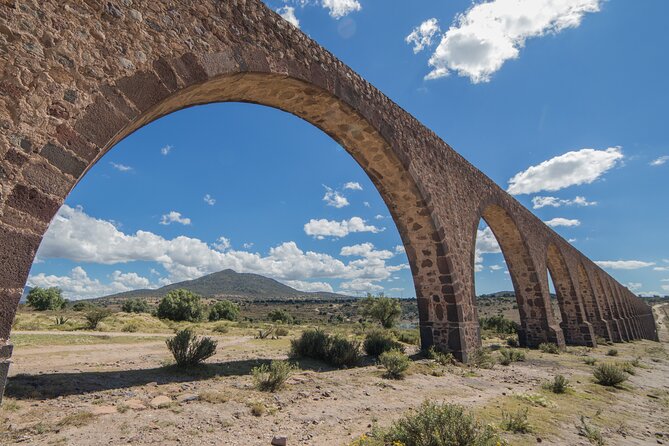
The best part of this tour for me is that it behaves like a real commute. You meet in central Mexico City at Casa de los Azulejos (8:30am), then the day moves through transit with your guide, including the metro and buses, with fares built in. The route also helps break up the long travel time, so you start the pyramids day less bleary-eyed and more ready to look closely.
You’ll leave Mexico City toward the town of San Martin de las Piramides, roughly 30 miles (48 km) out. The drive time is described as about 90 minutes into the countryside once you’re set on the right road. Along the way, your guide can explain what you’re about to see, and that matters a lot here, because Teotihuacán is easier to enjoy when someone gives you the map in your head.
Practical tip: this is not a sit-and-watch kind of day. You are going to walk, climb stairs for viewpoints when the route allows it, and then do more walking after lunch, so wear shoes you trust.
More of Teotihuacan:
- Teotihuacan, Guadalupe Shrine & Tlatelolco Day Tour with Lunch
★ 5.0 · 11,603 reviews - Teotihuacan pyramids morning or afternoon without tourist traps
★ 5.0 · 6,186 reviews - Teotihuacan Early Access Guided Tour with optional Lunch
★ 4.5 · 6,138 reviews
House of Tiles stop: a calm start before the big ruins
Your day begins at the House of Tiles area, which is also your main meeting point. It’s a smart staging spot because it’s easy to find in the Centro Histórico area, and it sets you up for an organized departure rather than trying to figure out transit on the fly.
From there, you’ll connect to the public bus system, including a north bus station transfer. This opening rhythm is one of the reasons the tour feels both structured and local. You also get a short buffer before the Teotihuacán visit begins, rather than jumping straight into the archaeological site with everyone already tired from travel.
If you’re the type who hates feeling rushed, this staging works. You get moving, but you’re not thrown into heat and crowds immediately.
Teotihuacán on the right foot: museum context first
Once you arrive, you begin your time in Teotihuacán at the on-site museum. This matters more than it sounds. A lot of people see the pyramids as “big rocks with stairs,” then move on. Here, you start by looking at reconstructions of houses and at relics found in the archaeological zone, so when you walk the ruins later, you’re not just guessing what you’re looking at.
Expect your guide to connect details on the ground with how the city functioned, how communities lived in the surrounding areas, and what kinds of discoveries archaeologists have turned up. Even if you’ve read about Teotihuacán before, museum-first usually improves your experience because it gives you a visual baseline.
Also, this part of the day is useful for managing energy. You’ll walk later, but the museum stage lets you ease in, ask questions, and settle into the site rules and timing.
Calzada de los Muertos: the Walk of the Dead to the Sun Pyramid
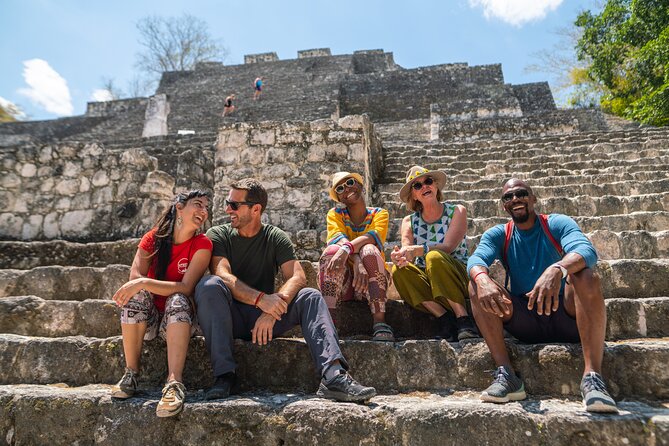
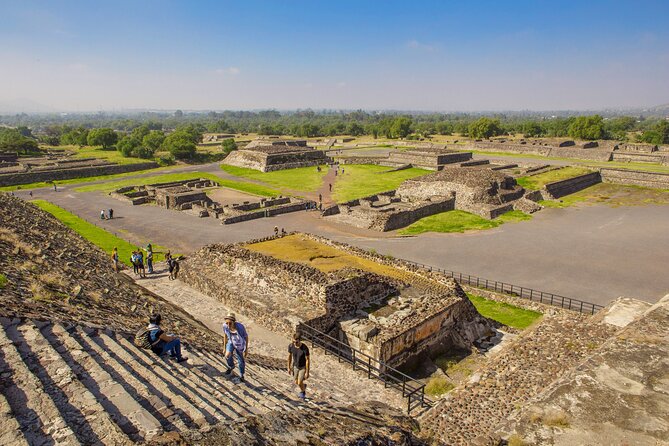
After the museum, you enter the ancient city and follow Calzada de los Muertos, often translated as the Pass of the Dead. This long central route is where you feel the scale of Teotihuacán. It’s not just one pyramid you visit, it’s a whole layout that pulls your eyes down the avenue and forces you to notice how everything aligns.
You’ll head toward the Sun Pyramid, described as the tallest in the area at about 206 feet (63 meters). This is where the tour becomes physical. There are stairs for viewpoints, and it can be warm, especially if you come on a sunny day. One review detail that’s worth planning for: the area can be windy up high, so layers help, even if Mexico City feels mild earlier in the morning.
Site reality check: there are vendors and touts around the main areas selling hats, water, and souvenirs. They’re not described as aggressive, but they do approach. Bring a bit of cash if you want simple items like a hat or small crafts, and remember you can always say no.
To be clear on climbing: the tour information notes that it is not allowed to climb the pyramids. You should expect your guide to take you to the parts you’re permitted to reach and to keep everyone within site rules. If you’re hoping for a “more extreme” view, calibrate your expectations to what’s allowed on the day.
More Mexico City options side by side
- Xochimilco, Coyoacan and Frida Kahlo with Optional Lunch
★ 4.5 · 7,320 reviews - CDMX: Xochimilco, Coyoacan with Frida Kahlo & Optional Lunch
★ 4.4 · 3,557 reviews - Puebla, Cholula & Tonantzintla Day Trip with Optional Lunch
★ 4.5 · 1,702 reviews - Mexico City: Puebla, Cholula & Tonantzintla with Lunch
★ 4.5 · 1,341 reviews
Moon Pyramid and the City of the Gods explanation
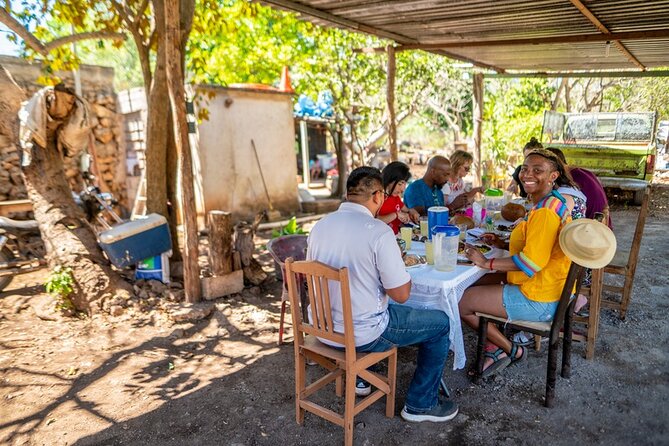
The Moon Pyramid is another anchor point of the day. You start there in the schedule, and then you connect the Moon area to the larger story of how Teotihuacán was understood by later cultures. Your guide should help you read the architecture with less guesswork, including what different structures might have meant to people who lived there.
There’s also a specific idea you should walk away with: you’ll hear why the Aztecs called Teotihuacán the City of the Gods. That framing doesn’t erase the fact that Teotihuacán predates the Aztecs, but it does help explain why the site carried meaning for later visitors and rulers.
What I like about this portion is that you’re not just “standing and taking photos.” The guide’s job is to turn the shapes into a story: where power likely sat, what the geometry suggests, and why the city still attracts that mix of scholarly focus and spiritual imagination.
One more energy note: the Moon and Sun areas mean time in open sun. If you’re sensitive to heat, think about hat, water, and a slower pace for the stairs.
Quetzalcoatl Pyramid views and how to manage the stair effort
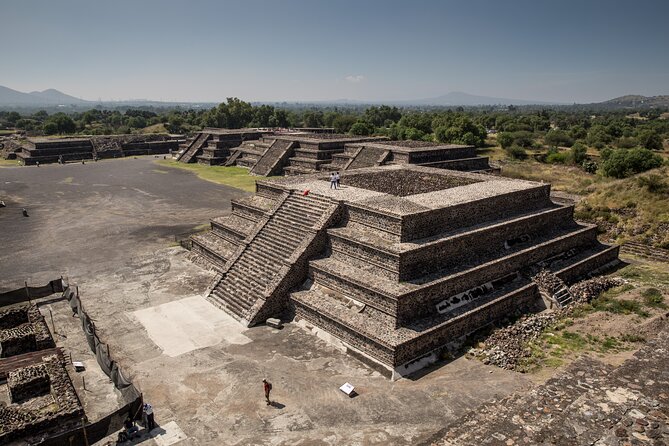
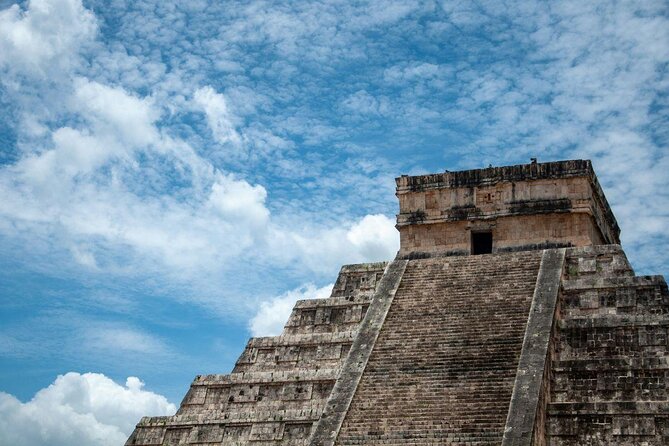
Your tour description includes a chance to recharge atop the Quetzalcoatl Pyramid for views, and that part of the experience usually feels like the payoff moment. It’s a break from the main avenue walk, and it gives you the wide perspective that makes Teotihuacán look like a planned city rather than a set of monuments.
Because the tour also emphasizes moderate fitness and around 6 km of walking, it’s smart to treat the day like a hike with history. Take your time on stairs, pause when your guide offers a point of explanation, and use any shade breaks you find.
Bring layers for wind at higher points. One review mentions packing a sweater type layer because it can get breezy, even when you might expect only heat.
San Juan Teotihuacán town stops: cactus symbolism and local treats
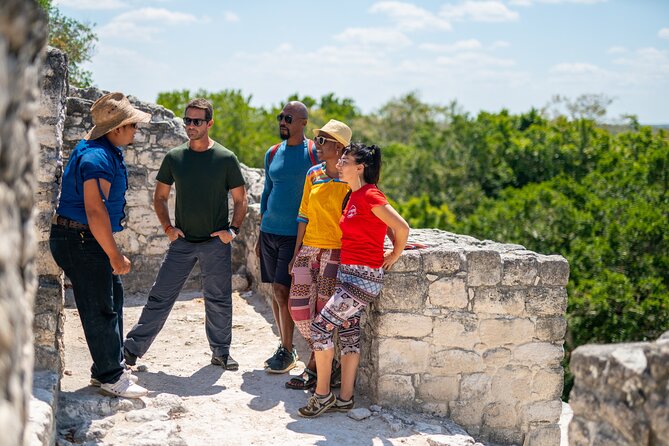
After the pyramids time, the schedule shifts to a nearby local town area (San Juan Teotihuacán) with a couple of stops focused on rural life. This is where the day stops feeling like a museum trip and starts feeling like a Mexico day beyond the central tourist zone.
You should expect two family-run businesses. The tour also builds in tastings of unique local treats, with cactus as a key cultural symbol. One important detail to know ahead of time: cactus isn’t just a plant in the background here. It’s a real part of everyday food culture and even shows up as cactus candy in the experience.
In practical terms, this is where you can ask questions that don’t fit neatly into a ruin explanation. How do people use cactus at home? What does it represent? What do locals eat that tourists often miss? If your guide is as engaged as the ones named in reviews, you’ll likely get answers that feel grounded, not like canned facts.
Also, keep in mind that some versions of this day include stops related to local drinks and crafts. Reviews mention pulque tasting, obsidian craftsmanship, and tequila or mescal tastings at different family homes. Even if your exact lineup differs, the underlying goal stays the same: you see how families earn a living and how food and materials link to identity.
Lunch with a local family home: the meal part that actually changes your view
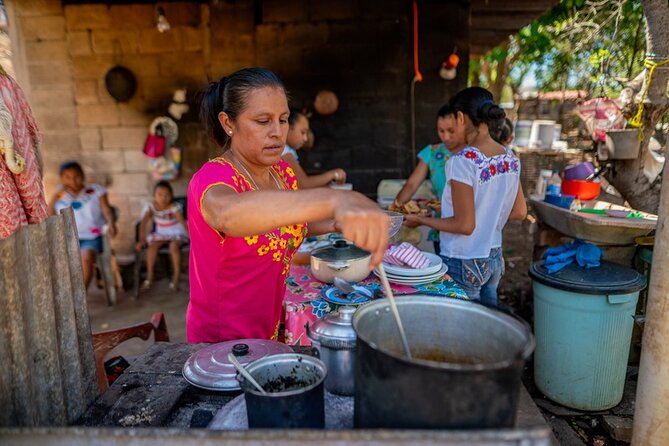
The lunch is one of the clearest reasons this tour earns a high recommendation rate. Instead of eating at a typical restaurant near the ruins, you share a homemade meal at a local family’s house. That changes the tone of the entire day because it’s conversation time, not just plate time.
You’ll likely be offered Mexican staples, and nopales shows up in the menu for at least some dietary needs as part of the meal planning. If you’re vegetarian or vegan, or you need gluten-free options, the tour states those options are available if you let them know in advance. That’s worth doing, because it takes the guesswork out of lunch.
One caution: drinks and additional food aren’t included. You may find that tastings occur earlier in the day at the town stops, but if you like having a beverage with lunch, plan to buy it.
Conversation tip: lunch is your moment to ask about daily life. Teotihuacán is ancient, but families here are living now, and that contrast can be the most memorable part of the trip.
Group size, guide quality, and how to get the most out of a private day
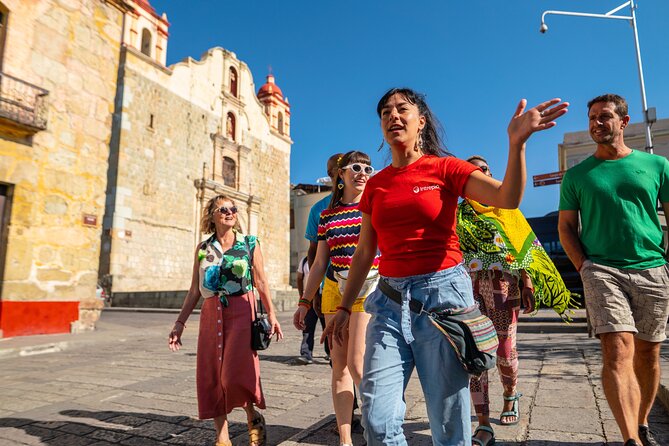
Even though this is described as a private tour, the day is capped at a maximum of 12 travelers. That sweet spot usually matters. You don’t feel lost in a huge crowd, and your guide can keep an eye on the group without turning the day into a series of quick check-ins.
Guide names show up in the experience: Roy, Rodrigo, Leon, Cesar, Nathan, Ulysses, and Arturo appear in customer stories. The consistent theme is that the guides explain things clearly and keep the pace steady, with some routes switching to a van if needed. In one story, a guide kept things calm and safe when someone was nervous about climbing stairs, which is a good sign you’re in hands that watch the group.
My practical advice to you: treat your guide like the best person in your group. Ask questions during transit while you still have energy, and ask follow-ups at lunch when the answers can be grounded in real life.
Price and value: why $220 can make sense here
At $220 per person for about 8 hours, this isn’t a budget day trip. But it can still feel like value if you price the day correctly.
Here’s what you’re paying for that matters:
- A structured visit with a guide who gives context before you walk the site
- Public transit included for part of the day, so you’re not stuck paying your own way
- Admissions covered for key parts of the visit, based on the tour schedule
- The biggest cost saver, the homemade lunch at a local family home
- Small-group size (max 12), which usually improves pacing and questions
If you were to recreate this solo, you would likely spend time on planning and coordination, plus you would still need tickets, transport, and then a meal arrangement that doesn’t feel transactional. That is the core value logic here.
The one place the price may feel high is if you only care about the pyramids and you’re not interested in the town visits, tastings, or the lunch conversation. If that’s you, consider a different option focused strictly on the archaeological site.
Who should book this Teotihuacán private tour, and who should skip it
Book it if you want Teotihuacán with context and you like the idea of a real lunch with real people. This day is ideal for couples, solo travelers, and families with teens who can handle about 6 km of walking and a moderate level of fitness. The minimum age listed is 6, and the tour notes a moderate physical requirement, so be honest with yourself about stamina.
Skip it if you want a fully relaxing day with minimal walking. The pyramids area is physically active, and site rules restrict climbing. Also, if you’re extremely heat sensitive or dislike stairs, you might find the middle part of the day harder than expected.
FAQ
How long is the Teotihuacán private tour?
It runs about 8 hours (approx.).
What time does the tour start, and where do we meet?
You start at 8:30am at Casa de los Azulejos (Av Francisco I. Madero 4, Centro Histórico).
Is the tour offered in English?
Yes, it is offered in English.
Is admission included?
The tour schedule includes admission tickets for key parts like the Teotihuacán Pyramids and the Sun Pyramid, while other segments are marked as free in the plan.
Do we use public transportation?
Yes. The experience uses public buses throughout the day, and the fare is included.
Can I climb the pyramids?
The tour information states it is not allowed to climb the pyramids. Your guide will keep you within what is permitted at the site.
What kind of walking is involved?
You cover about 6 km of walking and can find it strenuous if you are not used to walking.
Is lunch included, and are dietary options available?
Lunch is included as a homemade meal at a local family’s home. Vegetarian, vegan, and gluten free options are available if you tell the operator in advance.
What is the cancellation policy?
Free cancellation is available if you cancel up to 24 hours in advance for a full refund.
Is there a maximum group size?
Yes, the maximum is 12 travelers.
Should you book it? If you want Teotihuacán plus the human side of Mexico City life beyond the center, this is a strong pick. The price feels easier to justify once you factor in the guide context, the transit experience, and that real home lunch at the end. Just go in ready to walk, bring comfort for stairs and sun, and you’ll get a day that feels more like a guided look into everyday Mexico than a quick stop at famous ruins.
New reviews in from Mexico City
- Walking Tour in Historic Center CDMX★ 5.0 · 50 reviews
- Teotihuacan Pyramids and La Gruta Restaurant★ 5.0 · 50 reviews
- Sunrise Balloon Flight over Teotihuacan and Breakfast in Cueva★ 5.0 · 50 reviews
- Teotihuacan Private Tour, Cave Breakfast and Transportation★ 5.0 · 51 reviews
- Eat in a local house & access to restricted areas in Teotihuacan★ 5.0 · 51 reviews
- Guided tour to Teotihuacan, Basilica, Cave Breakfast and Pickup★ 5.0 · 52 reviews
- Museum of Anthropology: a look at Mexico’s past★ 5.0 · 52 reviews
- Coyoacán and Xochimilco including Frida Kahlo Museum★ 4.0 · 52 reviews
Teotihuacan Tours, compared.
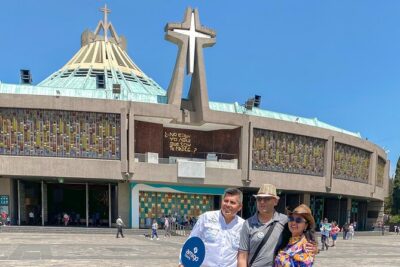
Teotihuacan, Guadalupe Shrine & Tlatelolco Day Tour with Lunch
Read our review →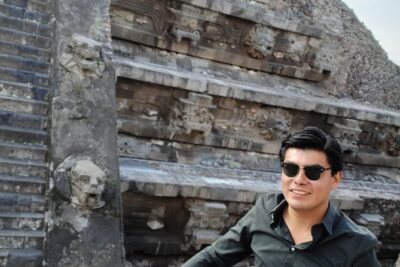
Teotihuacan pyramids morning or afternoon without tourist traps
Read our review →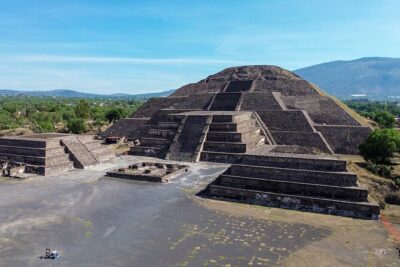
Teotihuacan Early Access Guided Tour with optional Lunch
Read our review →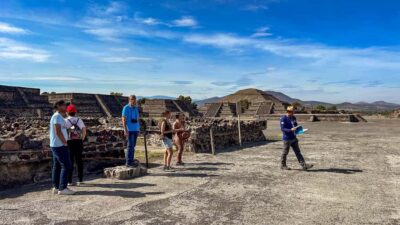
Teotihuacan & Guadalupe Shrine Tour with Lunch
Read our review →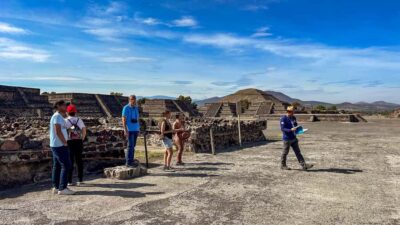
Teotihuacan, Tlatelolco & Guadalupe Shrine Tour
Read our review →
Teotihuacan Hot Air Balloon Flight from Mexico City / Volare
Read our review →
Balloon flight + pick up in CDMX + Breakfast in Cave + Teotihuacan
Read our review →
Browse the lists this tour appears in