
Reviewed · MUSEUMS
Museum of Anthropology: a look at Mexico’s past
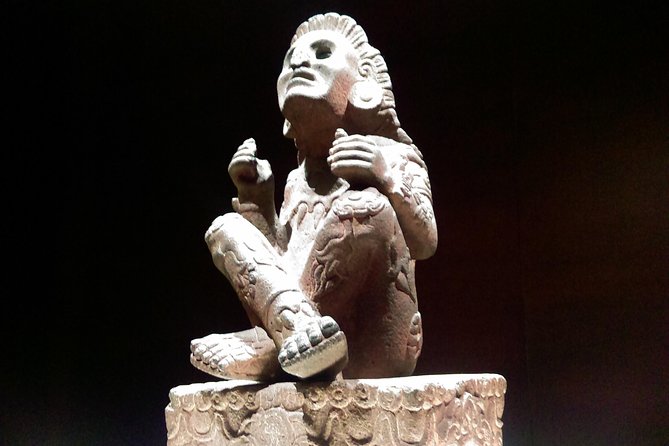
Mexico City’s Museo Nacional de Antropología can feel like a lot at first, because you’re looking at thousands of years of art, ritual, and daily life in one place. The thing that makes this experience work is the guide’s plan, so you do not just wander room to room. You get a clear path through the most emblematic rooms, with context that turns objects into stories.
What I really like is how the tour helps you “see” themes, not just statues and pottery. In particular, guides like Hector and Edith are praised for tying symbols together and explaining the big picture of pre-Spanish Mexico in a way that sticks. One possible drawback: this is a 3-hour museum visit that involves walking inside a large site, so if you have limited stamina you may want to pace yourself and bring a water plan.
Key things to know before you go
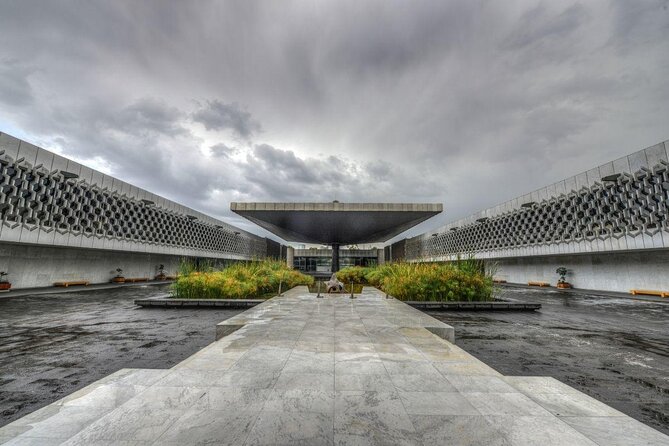
- Small group feel: maximum 6 travelers, with a federally licensed SECTUR guide.
- English tour: designed for English speakers from start to finish.
- Audiobox equipment: included use if the group is 6 clients or more.
- Ticket included: museum access is part of the tour.
- Pre-Spanish focus: the route centers on Mexico before the arrival of the Spaniards.
- Adults and teens only: not available for children under 18.
Mexico City’s Anthropology Museum is big, but the story can be simple
This museum is one of the best places in Mexico City to understand how deep the country’s roots go. The tricky part is that the site is vast, and it is easy to get lost in details without a framework. This guided format gives you that framework right away.
You will spend your time looking at the kinds of rooms that visitors associate with “the best of the museum,” but with a specific purpose. The goal is to connect the cultures and villages of Mexico to themes you can recognize later, like religion, power, trade, and how people used art to communicate.
The best value here is not just access to artifacts. It is the translation of meaning, so the museum feels coherent instead of overwhelming.
More Museums in Mexico City
- Chapultepec Castle & Anthropology Museum Tour
★ 4.5 · 1,348 reviews - Frida Kahlo VIP [Museum Tickets Included] Bike, Markets & Churros
★ 5.0 · 1,072 reviews - Anthropology Museum Guided Tour
★ 4.5 · 1,035 reviews
Meeting point at Paseo de la Reforma, then into Chapultepec
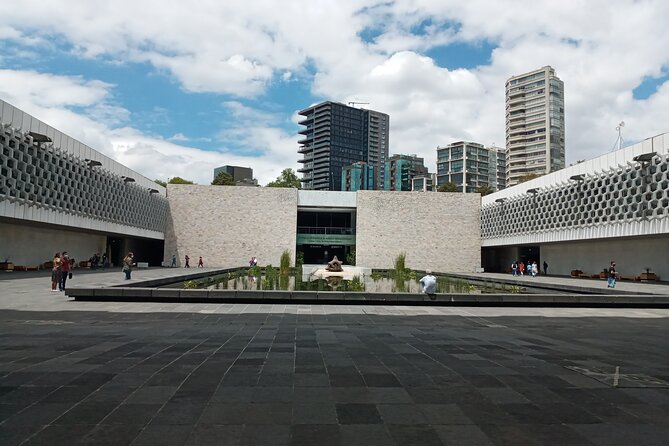
The tour starts at Av. P.º de la Reforma s/n, Polanco, Bosque de Chapultepec I Secc, Miguel Hidalgo, 11560 Ciudad de México, CDMX, Mexico. It also ends back at the meeting point, so you are not left figuring out your next move.
Plan to arrive a little early. In a place like Chapultepec, you can easily lose time figuring out the exact entrance area. Since the tour is 2 to 3 hours (approx.), even a 15-minute delay can feel like it compresses your experience.
Good news: it is listed as near public transportation, which helps if you are using the metro or buses that serve the area.
Inside the National Museum of Anthropology: your guided path through Mexico before Spain
The heart of this tour is the visit to Museo Nacional de Antropología, focusing on the rooms that are most emblematic for understanding Mexico’s past. You are there to learn about the cultures and villages that lived in Mexico before the Spaniards arrived. That framing matters, because it changes how you read everything you see.
Instead of treating artifacts as isolated objects, the guide’s job is to connect them into a timeline and a set of ideas. That is especially useful in this museum, because many displays communicate through symbolism. Without help, you might miss what is being emphasized.
What makes the itinerary feel focused
You visit the “most emblematic rooms” with a guided purpose. That tends to mean you see the museum’s strongest examples for storytelling, not every last room in the building. The tradeoff is that you cannot “see everything,” but for a 2 to 3 hour visit, this is exactly how you avoid museum fatigue.
Also, the tour uses a group route that keeps the pace moving. In the reviews, guides like Hector and Edith are repeatedly described as making the museum feel organized and memorable. That matters because otherwise your brain has to hold the whole museum’s logic at once.
Something else to do with a Mexico City day:
- Teotihuacan, Guadalupe Shrine & Tlatelolco Day Tour with Lunch
★ 5.0 · 11,603 reviews - Xochimilco, Coyoacan and Frida Kahlo with Optional Lunch
★ 4.5 · 7,320 reviews - Balloon flight + Breakfast in cave + Pyramids + Pick up CDMX.
★ 5.0 · 6,335 reviews - Teotihuacan pyramids morning or afternoon without tourist traps
★ 5.0 · 6,186 reviews
Pre-Spanish Mexico made understandable through symbols and themes
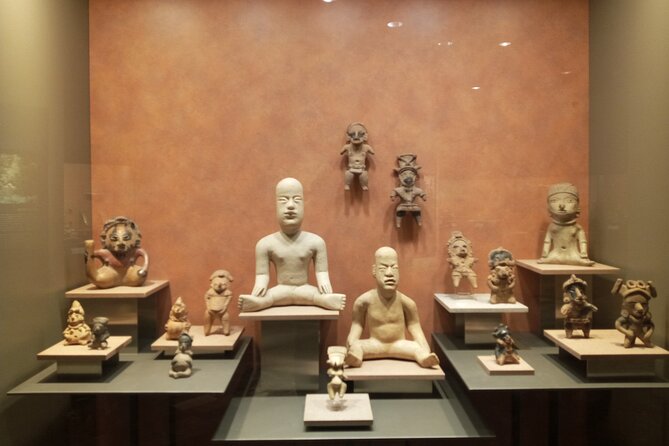
One of the most praised parts of this experience is the way guides connect artifacts to larger themes. Hector is often described as weaving together chronology, history, mythology, and symbolism in a way that makes the museum easier to process. Edith is also praised for explaining the intent of the museum and tying display information to pre-Colonial context.
This is the difference between reading labels and actually understanding what you are seeing. When someone explains how certain objects reflect beliefs, social structures, and worldview, you start noticing patterns across rooms. You might spot motifs more easily, and you can make sense of why certain things appear again and again.
Myth, religion, and what people honored
Religion comes up in the stories you will hear. One reviewer loved learning about how indigenous people honored gods and how those practices translate into what you can see in modern religious life. That is a big promise, and it is also a practical one: it gives you a lens for interpreting sculptures, ceremonial objects, and visual symbolism.
The tour approach is also helpful if you are not a museum person. You do not need a background in archaeology to follow along, because the guide turns complicated subject matter into digestible story beats.
The artifacts are impressive, but the pacing is what keeps it enjoyable
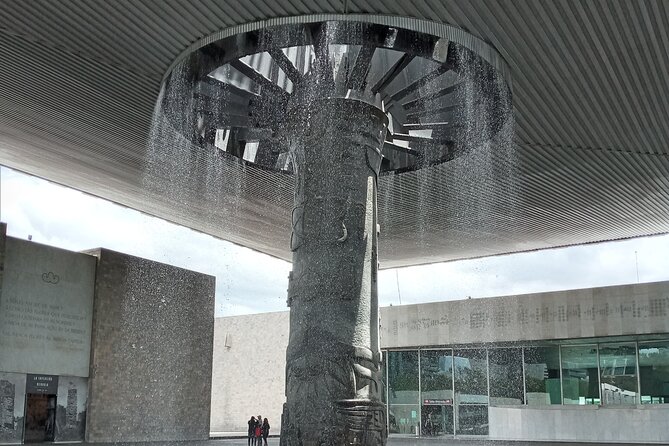
This is not a “quick look and run” museum event. You are scheduled for about 3 hours, and the tour includes breaks where the guide can slow down long enough to let you sit and absorb. That detail shows up in praise for Hector, who takes time through artifacts so people do not feel rushed.
Inside a museum, the pace changes everything. If you try to see everything on your own, you either end up sprinting or zoning out. With a guide, you get a rhythm: look, listen, connect, then move on.
That pacing also helps your questions. Several reviews mention that the guide answered questions and helped different ages follow along, even when the group included younger teens. Since this tour is not available for children under 18, you will be mostly among adults and older teens, which typically makes it easier to ask deeper questions without worrying about attention spans.
Group size, audiobox, and comfort for a smooth 2 to 3 hour visit
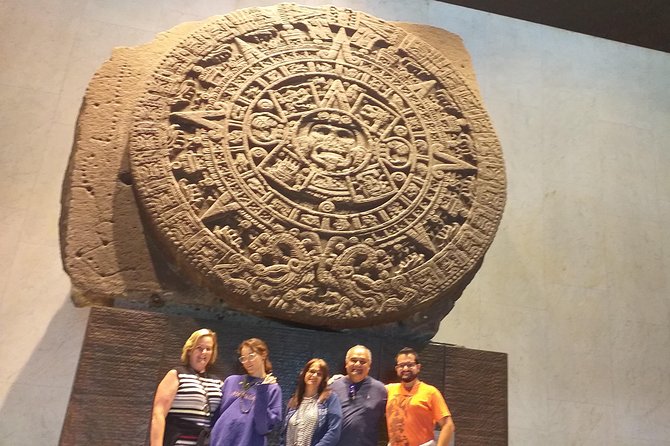
You are traveling with a maximum of 6 people, which keeps this from feeling like a cattle-car experience. Smaller groups also make it more likely you will hear the guide clearly and be able to ask questions without waiting your turn forever.
There is also an audio option: audiobox equipment is included for 6 clients or more. If your group reaches that number, you should have clearer sound through the museum noise. Either way, I still suggest you stand where you can see the guide while listening, because museum lighting and crowd flow can make it hard to track visuals otherwise.
Comfort wise, you should assume you will do a fair amount of walking on museum floors. The activity calls for moderate physical fitness, so comfortable shoes are a must. Also, the tour does not include bottled water or lunch, so plan a snack or bring something you can eat before you meet up.
English guidance you can actually use
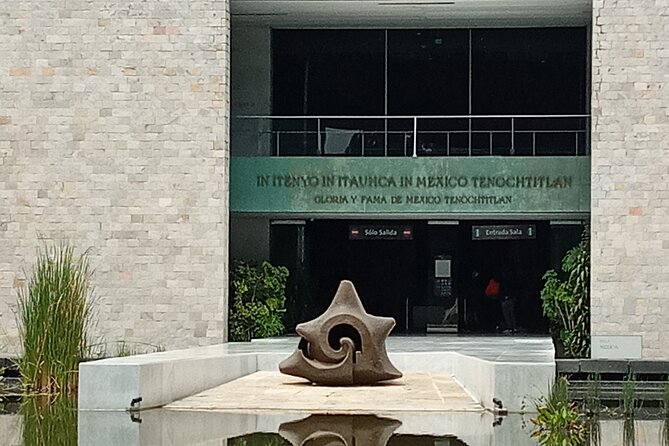
This is offered in English, which matters here because the museum is full of names, dates, and cultural terms. A good English explanation can make the difference between labels becoming meaningless and labels becoming useful.
The reviews repeatedly highlight guides who explain in a way that stays understandable even with a lot of information. That tells me the tour is built for comprehension, not just reciting facts. You should come away with a sense of what each room is trying to teach you.
Who this tour suits best, and who might want a different plan
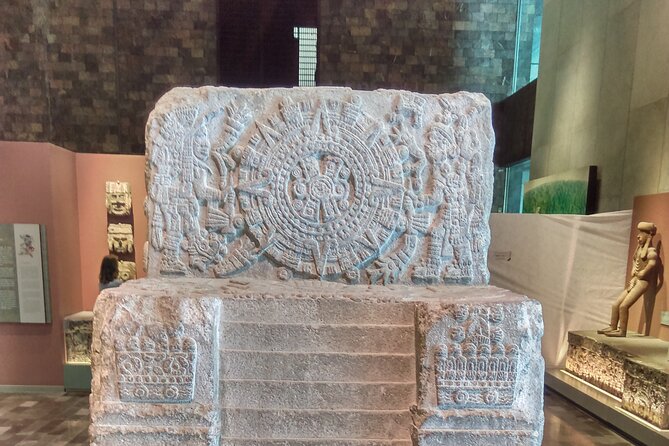
This experience is a strong match if you like culture, archaeology, art, and stories of how societies worked. It is also ideal for the first-time visitor who feels intimidated by the museum’s scale. Multiple reviews call it a highlight because the guide helped people connect symbols and themes across different rooms.
Because it is not available for children under 18, it is also a better fit for couples, friends, and adults who want a serious museum experience without child-focused pacing.
If you are the kind of visitor who wants to wander freely for 4 to 6 hours at your own rhythm, this might feel slightly structured. In that case, you may prefer time to explore more rooms on your own after the guided route. But if you want meaning fast and you prefer not to guess at context, this guided focus is a smart use of limited time.
Make the most of your museum time with smart expectations
Here is how I’d think about scheduling this in your day in Mexico City: treat it as a “foundation tour.” After you understand the pre-Spanish themes, you will recognize ideas elsewhere, whether you visit other museums, historic neighborhoods, or cultural sites.
You can also use the guide’s symbol spotting to your advantage. Once you learn what to look for, you start seeing visual language in objects that might otherwise look random. That effect is part of why Hector and Edith get praised so often. The tour is not just about seeing the museum, it is about building a mental map.
A practical tip: wear clothes you can stand in for a while. Museums are climate-controlled, but you still spend long stretches on your feet. And since water and lunch are not included, decide where you will get them after the tour ends back at the meeting point.
Should you book this guided look at Mexico’s past?
I think you should book this tour if you want your visit to the National Museum of Anthropology to feel organized, meaningful, and not like homework. The biggest reason is the combination of museum access, a SECTUR-certified guide, and strong emphasis on interpretation, plus the small group limit of 6 travelers.
I would hold off only if you strongly prefer self-guided wandering, or if walking through a large museum for roughly 3 hours is a challenge for you. If you are an adult visitor who likes history and art, and you want the pre-Spanish story made readable, this is a high-value way to spend your time in Chapultepec.
FAQ
How long is the Museum of Anthropology guided tour?
It lasts about 2 to 3 hours.
Where does the tour meet, and does it end nearby?
The tour meets at Av. P.º de la Reforma s/n, Polanco, Bosque de Chapultepec I Secc, Miguel Hidalgo, 11560 Ciudad de México, CDMX, Mexico, and it ends back at the meeting point.
Is the tour offered in English?
Yes, it is offered in English.
What is included in the tour price?
The tour includes museum access, use of audiobox equipment for 6 clients or more, and a federally licensed guide certified by SECTUR.
What is not included during the experience?
The tour does not include private transportation, lunch, or bottled water.
Is this tour suitable for kids?
No. The tour/activity is not available for children under 18 years of age.
What is the cancellation policy?
You can cancel for a full refund if you cancel at least 24 hours in advance of the experience start time. If you cancel less than 24 hours before, the amount paid is not refunded. Also, if the tour is canceled because the minimum number of travelers is not met, you will be offered a different date/experience or a full refund.
If you want, tell me your travel dates and whether you are going with friends or as a couple, and I can suggest the best way to build a half-day around Chapultepec before or after this tour.
New reviews in from Mexico City
- Walking Tour in Historic Center CDMX★ 5.0 · 50 reviews
- Teotihuacan Pyramids and La Gruta Restaurant★ 5.0 · 50 reviews
- Sunrise Balloon Flight over Teotihuacan and Breakfast in Cueva★ 5.0 · 50 reviews
- Teotihuacan Private Tour, Cave Breakfast and Transportation★ 5.0 · 51 reviews
- Eat in a local house & access to restricted areas in Teotihuacan★ 5.0 · 51 reviews
- Guided tour to Teotihuacan, Basilica, Cave Breakfast and Pickup★ 5.0 · 52 reviews
- Coyoacán and Xochimilco including Frida Kahlo Museum★ 4.0 · 52 reviews
- Butterfly Monarch Tour from Mexico City★ 5.0 · 53 reviews
Museums, compared.
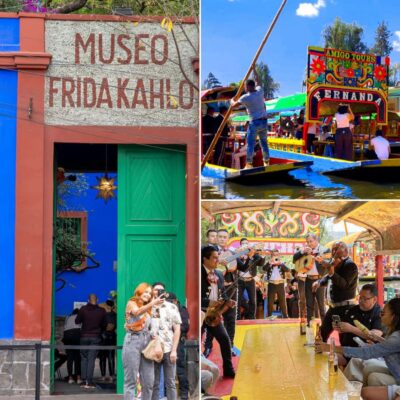
Xochimilco, Coyoacan, Frida Kahlo Museum & Murals Tour
Read our review →
Chapultepec Castle & Anthropology Museum Tour
Read our review →
Frida Kahlo VIP [Museum Tickets Included] Bike, Markets & Churros
Read our review →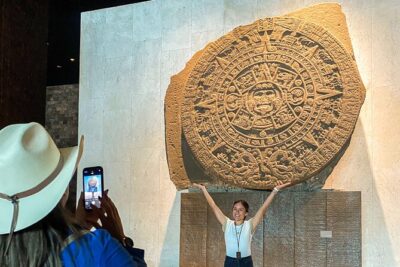

Frida Kahlo VIP [Museum Tickets Included] Walk, Markets & Churros
Read our review →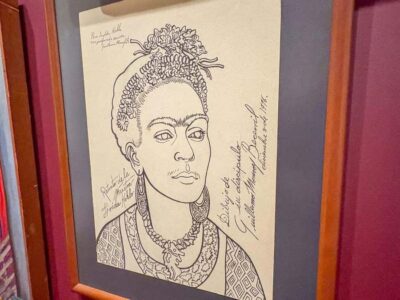

EXCLUSIVE TOUR Frida Kahlo Museum – SMALL GROUPS
Read our review →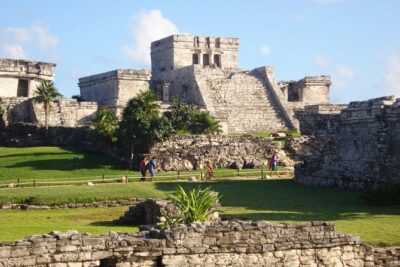
Coba Multun-Ha Cenote Tulum and Mayan Museum Small Group
Read our review →Browse the lists this tour appears in