
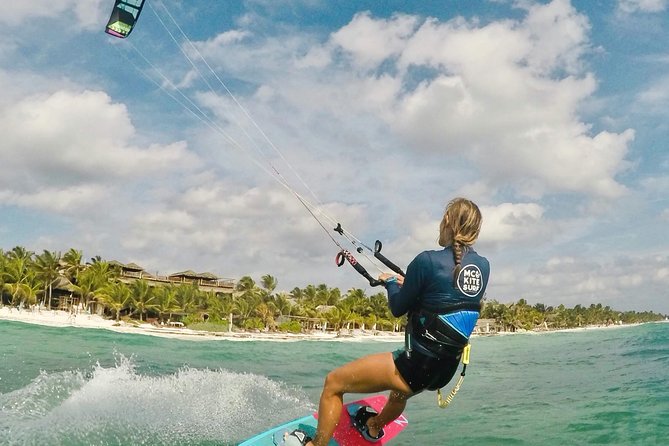
Reviewed · WORKSHOPS
Private Kiteboarding Lesson in Tulum
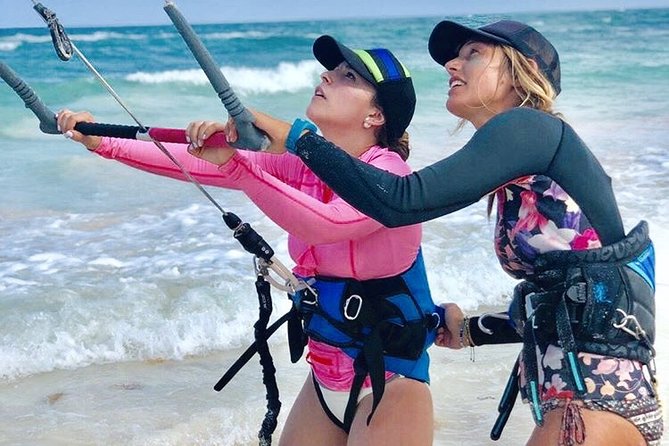
A private kiteboarding lesson in Tulum is interesting because you get real coaching in the exact place you’ll be flying. You’ll work through the basics in a clear order, from wind setup to safety systems, then you move into the water for starts and controlled riding. The IKO-certified instructors, including Mauricio and Roma, make it feel personal, not scripted.
I love how the lesson mixes wind theory with practical kite control, so you understand what your kite is doing instead of just reacting. I also like that you get a full, step-by-step plan for the water, including body drag upwind and waterstarts, so progress feels trackable. The one drawback to consider is that this experience depends on favorable weather and wind, so if conditions aren’t right you may need to adjust the timing or date.
Key Things I’d Watch For Before You Go
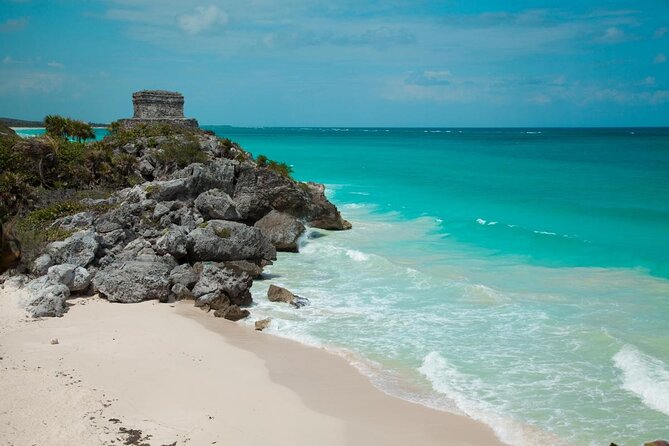
- Private format, so your focus is you: your pacing and goals shape the coaching, from basics to more advanced tweaks.
- Wind window and bar systems are taught clearly: you learn what to look for and how to use safety gear, not just fly harder.
- Self-rescue is part of the plan: you practice the skills that make you calmer in real conditions.
- Beach-to-water progression is structured: kite setup, then control, then upwind body drag, then waterstarts, then riding and transitions.
- Instructors can adapt if wind changes: if wind is weak, your session can shift to keep learning moving.
- You can also use paddleboards: it’s a nice add-on if you want extra time on the water.
Tulum Kiteboarding in a Private Lesson Format
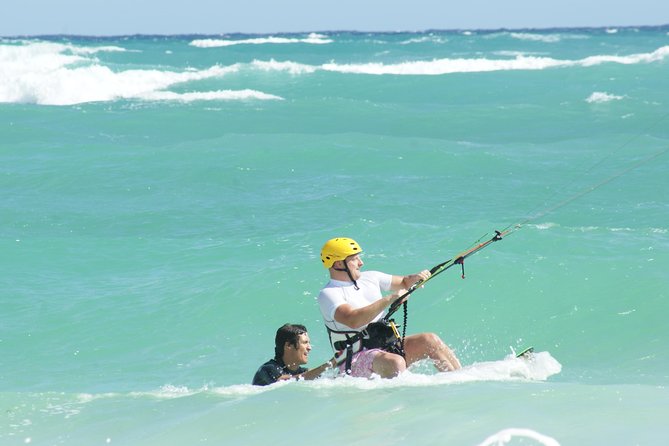
If you’ve ever tried to learn kitesurfing from YouTube and stubborn optimism, a private lesson is the opposite experience. You’re not guessing. You’re being taught in a sequence that matches how your brain and body actually learn: first the wind and kite behavior, then how to set the rig correctly, then how to handle power and safety, and only then how to ride.
In a place like Tulum, that matters. The wind is the whole game. So your lesson starts with understanding the wind and ends with you trying to ride in a way that connects to that theory. And because it’s private, you’re not stuck waiting your turn or being coached for someone else’s pace.
You also get a real sense of what your equipment should feel like. That includes the bar, lines, safety system, and the cues you use to keep the kite powered or depowered. It’s a big upgrade from simply launching and hoping for the best.
More Tulum options side by side
- Cabo San Lucas Mexican Cooking Class Experience and Local Markets
★ 5.0 · 915 reviews - Puerto Vallarta Cooking Class Experience with Market Tour
★ 5.0 · 698 reviews - La Paz World Class Snorkeling in Balandras Hidden Beaches
★ 5.0 · 582 reviews
Where You Meet and What’s Included at Mexican Caribbean Kitesurf & Paddlesurf
You meet at Ahau Tulum, on Carr. Tulum a Boca Paila Km. 7.5, Zona Costera, Tulum Beach, 77760 Tulum, Q.R., Mexico. The activity ends back at the meeting point, so you’re not dragging yourself across town after you’re tired and sunburned.
The lesson is offered in English, and you’ll get a mobile ticket. You’ll also have access to bathrooms, showers, and Wi-Fi at the base area. After you get wet and sandy, those small comforts are not small. They make the day easier to recover from and less stressful.
Gear is included, which is a big deal for value. Kitesurfing gear is specialized and not cheap to rent repeatedly while you figure things out. Here, you’re set up with what you need, so you can focus on learning.
One more pleasant bonus: paddleboarding boards are included for use. This doesn’t replace the kite lesson, but it gives you a way to spend extra time on the water, or just unwind between coaching moments if your schedule includes buffer time.
Not included: transportation, plus food and drinks. Plan on sorting your own meals and getting to Ahau Tulum. If you’re hungry during a full 3-hour stretch, it can throw off your mood and attention.
The Beach Plan: Wind Theory, Setup, Safety, and Kite Control
Most people think a kitesurf lesson is mostly about riding. In reality, your biggest progress can happen on the sand. This lesson builds that way, starting at the beach with a full kite and wind routine.
Here’s what you work through, in the order you’ll feel it in your body.
Kite and wind theory (and why it matters)
You start with kite and wind theory. You’ll learn concepts like the wind window, which is basically the zone in the sky where the kite can generate steady pull. Understanding this helps you stop fighting the kite. Instead, you learn to position it correctly and keep it working for you.
This is also where you begin thinking in cues. When wind strengthens or shifts, your kite behavior changes. Your job is to recognize that fast, not after you’ve already been yanked or dragged.
More days out of Tulum:
- Chichen Itza, Cenote and Valladolid Small Group Day Trip
★ 5.0 · 2,104 reviews - Tulum Guided Tour, Magical Cenote, Lagoon Snorkeling and Beachside Lunch
★ 5.0 · 1,888 reviews - Tulum Ruins, Turtles in Akumal and Cenote tour
★ 5.0 · 1,706 reviews - Sian Ka’an Adventure Full Day Trip to Punta Allen
★ 5.0 · 1,179 reviews
Setting up the kite and lines
Next is the practical side: set up the kite and lines. The goal isn’t just to assemble gear. It’s to understand the layout and tension points so you’re less likely to get tangled, overloaded, or confused later in the water.
If you’ve ever felt that second-guessing spiral when lines go wrong, you’ll appreciate getting the setup handled step by step.
Bar mechanics and safety systems
Then you get the inner workings of the bar and safety systems. This part is crucial because kiteboarding has power, and power needs rules. You’ll learn what the safety system is meant to do and how it fits into your decision-making.
Knowing how the bar works changes everything. You stop fearing the kite, and you start trusting your ability to respond.
Self-rescue technique
After that, you cover self-rescue technique. You practice how to get yourself sorted again if things go sideways. The benefit isn’t just safety. It also builds calm. When you know what to do, you try harder, because you’re not bracing for panic.
Kite control practice before you go in
Finally on the beach, you do kite control. This is where you learn what good control looks like: smooth inputs, correct positioning, and avoiding common mistakes like oversteering or keeping the kite too high or too low.
You’re setting yourself up for the water segment, so the instructor can focus on your specific problem areas instead of starting from zero.
Into the Water: Body Drag Upwind, Power Strokes, Starts, and Riding
Once you’re in the water, the lesson becomes physical. But it’s still structured. Each step builds on the last so you’re not thrown into full riding too early.
Body drag upwind
First comes body drag upwind. This is less glamorous than riding, but it’s one of the best foundation skills you can learn. Upwind control is what keeps you from getting pulled around helplessly.
When you can move upwind using technique and positioning, you’re setting up every future ride. It also teaches you to respect the kite power and manage your body angle and tension.
Power strokes
Then you work on power strokes. Think of this as learning how to use your movement to work with the kite rather than against it. Your instructor helps you time actions so the kite supplies the pull you need when you need it.
Waterstart with assistance
Next: waterstart with assistance. This is where you practice getting on the board and starting to ride. The instructor helps you through the sequence, so you learn the feel of the moment when the kite power transfers into lift and control.
The big win here is that you’re not just trying and failing repeatedly. You get corrections while the skill is still fresh.
Waterstart solo
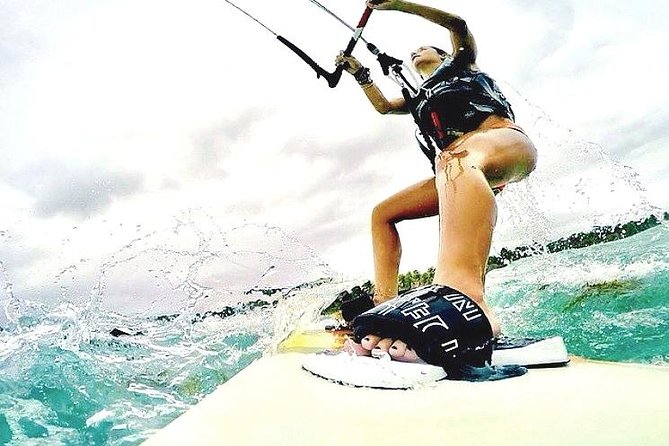
After the assisted start, you attempt the waterstart solo. This is where your earlier beach learning pays off. If you understood the wind window, bar mechanics, and kite control, you’ll find that solo attempts feel less chaotic.
This is also where you’ll build confidence. The moment you can repeat the start reliably is the moment kitesurfing turns from effort into actual progress.
Ride downwind and ride upwind
Then you ride downwind and ride upwind. Downwind is usually the easier entry point because you can focus on stability and direction. Upwind is where technique matters more, because you need to handle angle, edge control, and kite positioning without getting spun out.
Going both ways is important. It shows you you’re not just floating. You’re building the core skill set for real directional riding.
Transitions
Finally, you work on transitions. Transitions can mean changing your course, stance, or technique. Even if they feel small, transitions are where riding becomes fluid instead of stop-and-start.
At the end of the 3-hour session, the big goal is not that you become an expert. It’s that you leave with a working mental model, and the body memory for at least one or two key skills, like safer self-rescue, controlling kite pull, or getting a stable start.
How to Make the Most of the Full 3 Hours
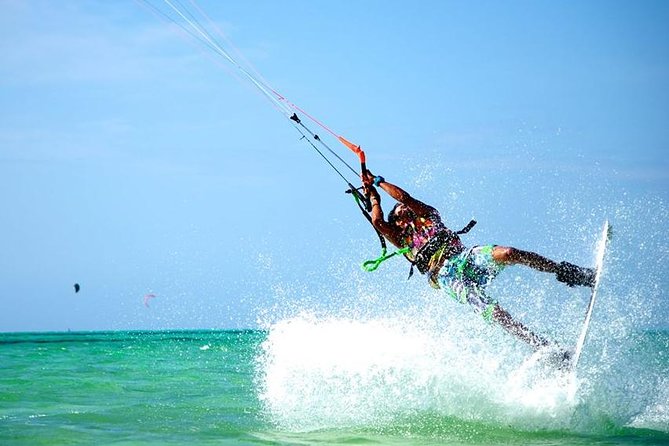
Three hours sounds short, but this structure is efficient. You’re not spending half your time waiting or redoing basics. The lesson is built so each phase feeds the next.
Here are a few ways to get more out of it.
First, decide what you want most. Are you brand new and learning the order of setup and control? Or are you already kiting and want a specific improvement? In one experience, Mauricio and Roma adapted the lesson for a student who wanted to work on tricks, strapless technique, and winging. Even if you are starting from scratch, you can still ask for focus on comfort, safety, or specific mechanics.
Second, pay attention to how the instructor talks about feedback. Kiteboarding is the kind of sport where a small correction can prevent a big mistake. When your instructor explains what you did and what the kite is doing, you’ll learn faster than you think.
Third, accept the reality of wind. This is not a tour where the equipment goes in the water no matter what. If wind isn’t working as expected, the instructor can adjust the schedule. That flexibility keeps you learning, but it also means you should be mentally ready for some plan changes.
Price and Value: What $270 Buys You in Tulum
At $270 per person for about 3 hours, this is a premium activity, but it’s not just because it’s on the water. The cost makes sense if you value high-touch instruction and full gear included.
You’re paying for:
- IKO-certified instruction
- kiteboarding gear provided for you
- a private lesson format that focuses on your needs
- beach training and in-water coaching, not just a quick ride-along
- access to showers and bathrooms, plus Wi-Fi at the base
Transportation and food are extra, so budget for that separately. But compared to paying repeatedly for rentals and then hiring help only after you get frustrated, private coaching tends to save money in the long run. You also reduce injury risk by learning safety systems and self-rescue early.
If you’re traveling with a group and can split costs, the value can look even better. The lesson is private, meaning only your group participates, so you are not competing with strangers for attention.
Who This Lesson Fits Best (and Who Should Skip It)
This experience is ideal for all skill levels, including first-timers. Minimum age is 10, so it can work for older kids with moderate physical fitness and good balance.
It’s also a good choice if you:
- want personalized coaching instead of trial-and-error
- care about safety systems and self-rescue, not just riding
- want to learn the fundamentals in a structured beach-to-water sequence
- appreciate instructors who can adapt when wind changes
It’s not recommended if you have back problems or serious medical conditions. Also, the activity asks for moderate physical fitness. That doesn’t mean you need to be an athlete, but you should be prepared for water time, repeated practice, and body drag movements.
Service animals are allowed, which is helpful if you travel with one and you plan ahead.
The Practical Reality of Weather in Tulum
Kitesurfing is weather-dependent, and this lesson is no different. It’s subject to favorable conditions. If it’s canceled due to poor weather, you’ll be offered an alternative date or a full refund.
Even when the day is beautiful, wind can shift. That’s why the beach instruction portion is valuable. It keeps the learning active even when conditions are not perfect.
If you want the best odds, keep your schedule flexible and choose dates when you have cushion time around the lesson.
Should You Book This Private Kiteboarding Lesson in Tulum?
I’d book it if you want more than a fun afternoon. This is a structured coaching session that teaches you how to think and how to respond, especially with wind window theory, bar safety systems, self-rescue, and a clear water progression from body drag upwind to riding and transitions.
It’s also a solid pick if you care about instructor quality. The presence of IKO-certified instructors, plus the way Mauricio and Roma are described as fun, friendly, and adaptable, points to a lesson that balances safety with encouragement.
Skip it if you’re dealing with back issues or serious medical conditions, or if you cannot be flexible with weather. Kiteboarding is always easier when wind cooperates, and even private lessons depend on the conditions.
If you’re ready to learn for real, this is a good way to do it.
FAQ
How long is the private kiteboarding lesson in Tulum?
It runs about 3 hours.
Is this a private lesson?
Yes. It is private, and only your group participates.
What is included in the price?
You get an IKO-certified instructor, kiteboarding gear, use of bathrooms, showers, and Wi-Fi, and use of paddleboarding boards.
What is not included?
Transportation, plus food and drinks, are not included.
Where do I meet for the lesson?
You meet at Ahau Tulum, on Carr. Tulum a Boca Paila Km. 7.5 Zona Costera, Tulum Beach, 77760 Tulum, Q.R., Mexico.
What language is the lesson taught in?
The lesson is offered in English.
What is the minimum age?
The minimum age is 10 years.
What if the weather is bad?
If it’s canceled due to poor weather, you’ll be offered an alternative date or a full refund.
What is the cancellation policy?
You can cancel for free up to 24 hours in advance for a full refund. If you cancel less than 24 hours before the start time, you will not receive a refund.
New reviews in from Tulum
- Tour to Tulum and Cenote Swimming with Turtles from Tulum★ 5.0 · 50 reviews
- Tulum Area Experiences Guided 2 Tank Scuba Dive Casa Cenote & Barrier Reef-Lunch★ 4.5 · 51 reviews
- Tulum: Private Snorkel and Sailing Experience★ 4.8 · 52 reviews
- Fine Mexican Chocolate Tasting: A Sensory Luxury Journey★ 5.0 · 54 reviews
- Small group tour in Tulum Ruins – Cenote Cave and GoPro pictures★ 5.0 · 55 reviews
- Tulum Ruins & Swim in a Cenote – VIP Private Experience★ 5.0 · 58 reviews
- Tulum Airport Private Transportation to Tulum★ 4.5 · 59 reviews
- Tulum: Chichen Itza Adventure! Cenote Saamal and Valladolid★ 4.2 · 59 reviews
Workshops, compared.

Cabo San Lucas Mexican Cooking Class Experience and Local Markets
Read our review →
Puerto Vallarta Cooking Class Experience with Market Tour
Read our review →
La Paz World Class Snorkeling in Balandras Hidden Beaches
Read our review →
Mexican Cooking Class with Food Market Visit in Mexico City
Read our review →

Bean to Bar Chocolate Workshop in Puerto Vallarta
Read our review →
Browse the lists this tour appears in