
Reviewed · CITY TOURS
Mexico City: Ticket de entrada Museo Memoria y Tolerancia
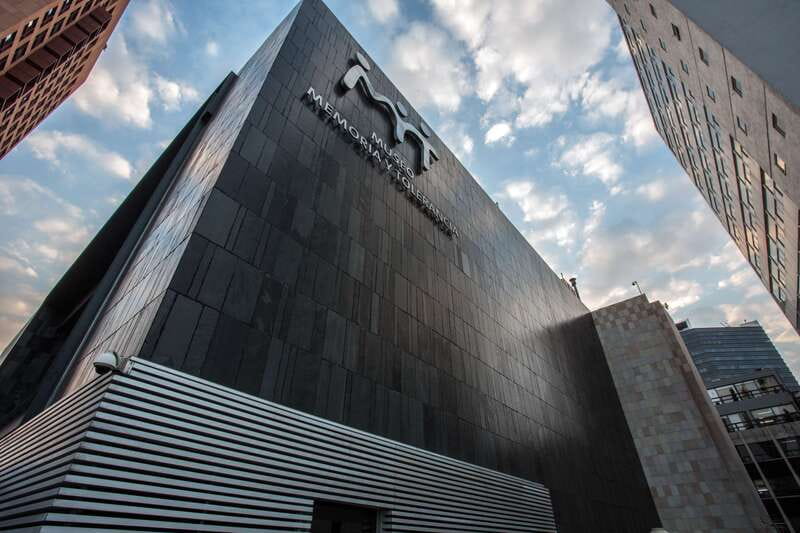
Some museums show history. This one also asks what you do with it. Museo Memoria y Tolerancia uses permanent exhibits and moving art installations to connect past crimes against humanity to today’s issues of tolerance, discrimination, and violence.
I especially like two things: the museum’s clear mission, and the way the rooms move you through human stories using art, documents, and installations. The practical bonus is that your ticket comes with an audio guide in Spanish and English.
One consideration: this museum deals with the Holocaust and other genocides, so it can be emotionally intense. If you are bringing kids, stick to the museum’s guidance and plan your pace.
Key things you will like about this museum ticket
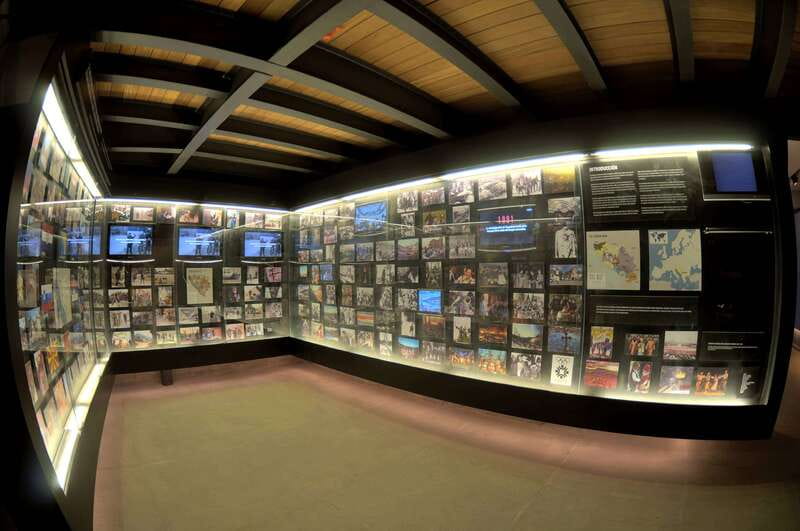
- 43 rooms of permanent exhibits, with 1,200+ objects and documents
- Audioguide in Spanish and English included with entry
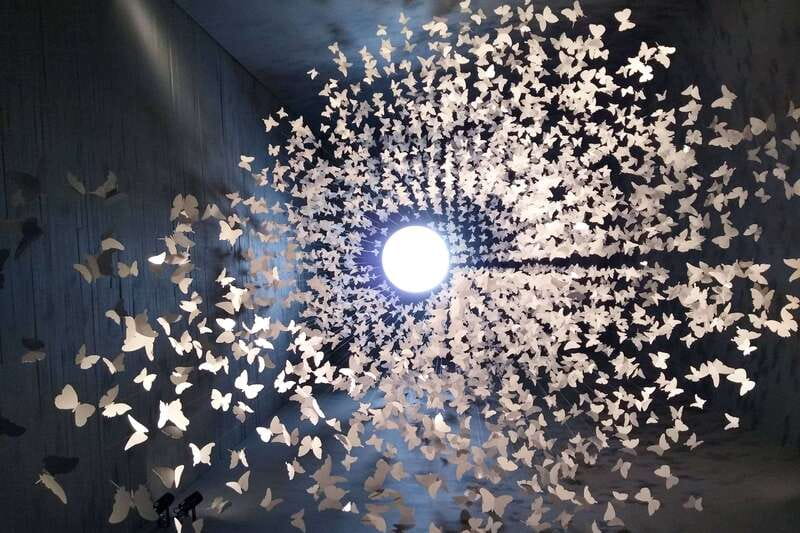
- Major installations that turn remembrance into something you can experience, including works by Jan Hendrix
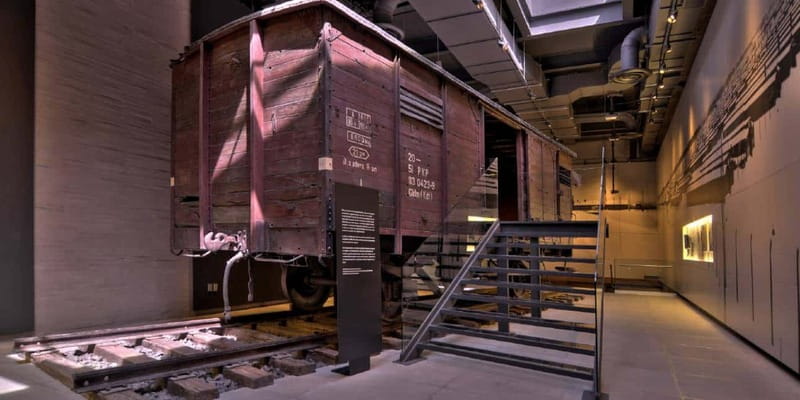
- A WWII prison transfer train wagon and a Berlin Wall fragment for concrete historical impact
- Temporary exhibitions included, so your visit feels less repetitive
- Wheelchair accessible and easy to fit into a day in downtown Mexico City
Why Museo Memoria y Tolerancia is more than a museum stop
This museum feels built around one idea: indifference is dangerous. You see it in how the information is presented, how the spaces guide you from facts to reflection, and how the art is used to push the message beyond text on a wall.
I like that you get a mix of approaches. Some rooms are document-heavy and grounded in historical memory. Other rooms use installations and interactive works to make you slow down. That blend matters because the museum is not only teaching dates. It’s encouraging a mindset, the habit of paying attention.
There is also something quietly powerful about the review notes people highlight, especially the Anne Frank exhibit. It is the kind of section that can genuinely land, because it turns history into a human scale instead of just a timeline.
The ticket includes everything you need to experience it at your own speed, and the included audio guide helps you stay oriented even if you do not know the subject matter well.
More City Tours in Mexico City
- Mexico City: Teotihuacan, Tlatelolco & Guadalupe Shrine Tour
★ 4.6 · 3,773 reviews - Teotihuacan Hot Air Balloon Flight from Mexico City / Volare
★ 5.0 · 3,262 reviews - Teotihuacan Private Tour from Mexico City
★ 5.0 · 1,890 reviews
What your ticket includes, and why the value feels fair
For about $13 per person for a full day, you are getting more than entry. Your ticket includes:
- Access to the museum’s permanent exhibitions across 43 rooms
- A visit to temporary exhibitions
- An audio guide in Spanish and English
That is good value because museums like this can become one-note if they are only about walking hall to hall. Here, you get a lot of content, but also enough variety that you do not feel trapped in a single mood.
Also, the museum clearly intends this to be an education plus reflection experience. You are not being rushed through a highlight reel. With an all-in entry ticket and an audio guide, you can stop when something grabs you, and move on when it does not.
One small practical catch: food and drinks are not allowed, so plan to eat before or after. If you need water, check whether you are able to bring it, because the information says food and drinks are not allowed but does not specify exceptions.
Where to meet near Plaza Juarez, then get your bearings fast
Your meeting point is in downtown Mexico City at Plaza Juarez, by the Secretaria De Relaciones Exteriores, in front of the Hemicycle to Juarez.
That area is a practical choice. You can pair the museum visit with other nearby downtown sights, and you can use it as an anchor for a day in the center. If you tend to get disoriented in cities (same), arrive with a little buffer. Once you are inside and the rooms start, you will want time to follow the flow without rushing.
Before you go in, decide how you want to handle the museum’s tone. Some people want the full audio guide track. Others prefer to use the audio guide for the biggest sections and read selectively. There is no wrong approach, but it helps to pick a strategy so you do not end up spending the whole day only half paying attention.
Also, plan your expectations for the permanent exhibitions. They are recommended for children older than 15. If you have a younger teenager or a child, they need adult accompaniment.
Your day inside: a route through 43 permanent rooms
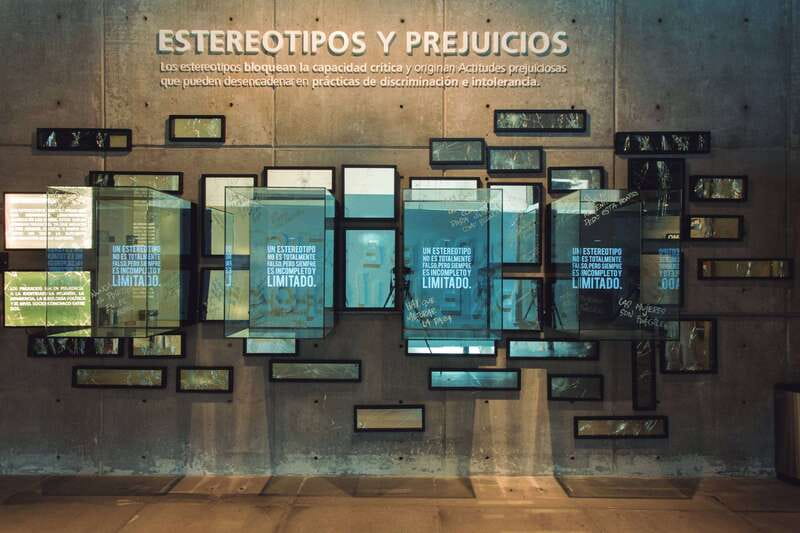
The permanent exhibition is built as a sequence of rooms, and the key to enjoying it is to treat it as a path, not a checklist. You are looking at more than just exhibits. You are watching how the museum connects causes, actions, and consequences.
The museum gives you access to more than 1,200 objects, documents, and audiovisual pieces. That volume can overwhelm if you try to absorb everything at once. Instead, I suggest you aim for understanding the museum’s big themes, then let a few rooms become the ones you remember clearly.
A good rhythm is:
- Read the core context in each section
- Use the audio guide to clarify names, terms, and historical references
- Slow down for the installations that ask something from you
If you are only here for the highlights, you may miss the museum’s strongest effect, which is the gradual shift from information to reflection.
Something else to do with a Mexico City day:
- Teotihuacan, Guadalupe Shrine & Tlatelolco Day Tour with Lunch
★ 5.0 · 11,603 reviews - Xochimilco, Coyoacan and Frida Kahlo with Optional Lunch
★ 4.5 · 7,320 reviews - Balloon flight + Breakfast in cave + Pyramids + Pick up CDMX.
★ 5.0 · 6,335 reviews - Teotihuacan pyramids morning or afternoon without tourist traps
★ 5.0 · 6,186 reviews
A look at the museum’s scope and mission
The museum’s mission focuses on awareness through historical memory, especially around the Holocaust and other crimes against humanity, including references to the Armenian genocide, Rwanda, Guatemala, Cambodia, Darfur, and Yugoslavia.
That breadth is useful for you if you want context for why tolerance matters across different places and eras. It also helps answer a tough question: how discrimination turns into violence, even when societies tell themselves it will not.
The permanent exhibitions: Holocaust memory and other genocides, room by room
You will spend most of your time in the permanent exhibition, which is designed to make you confront history without treating it like a distant story.
The Holocaust-focused sections provide detailed memory work. You will see historical artifacts, documents, and explanatory material. The museum also includes content that many people find especially affecting, including the Anne Frank exhibit, which is repeatedly praised for tugging at the heart.
Beyond the Holocaust, the museum addresses multiple genocides and mass atrocities. Having those references in one place changes the way you see the whole topic. Instead of thinking of genocide as a single event type, you start to see repeated warning signs: dehumanization, exclusion, propaganda, and violence justified as necessity.
One practical tip: when you feel your brain start to skip over details, do the opposite. Pause. Use the audio guide to slow you back down. If you are in a group, give yourselves permission to disagree on what hits hardest and why. That conversation can be part of the value.
Installations and artifacts you should plan to see carefully
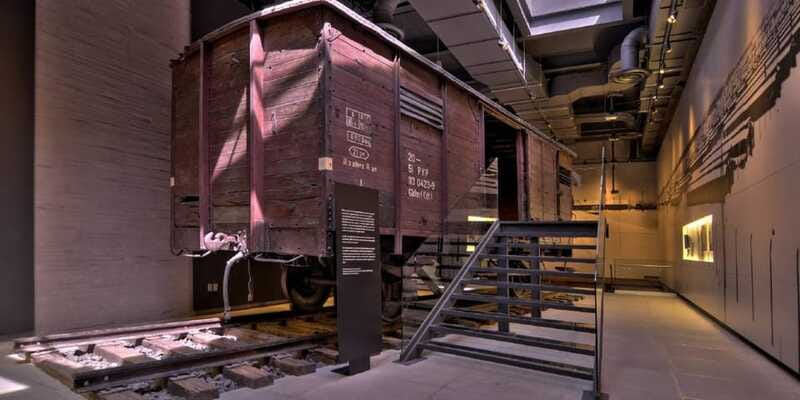
The museum mixes standard exhibits with installations that turn remembrance into something more physical. These are the elements that you will likely remember even after you leave.
Jan Hendrix and the power of making memory structural
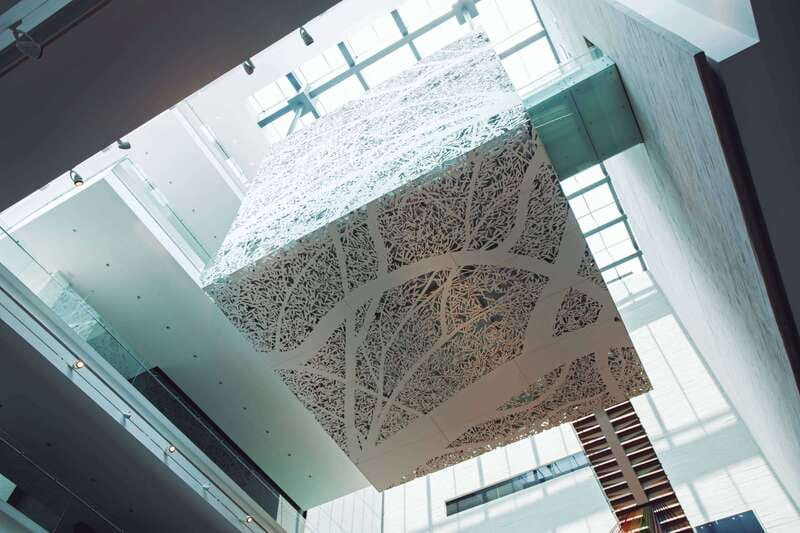
The museum includes multiple works by Jan Hendrix such as Lost Potential and Cube.
I like seeing these in person because the art format changes your mode of reading. Instead of only processing text and captions, you are experiencing form and space. That is a good match for the museum’s goal of moving from knowledge to reflection.
If you are the type who feels more connected to art than to timelines, these rooms are likely your best anchor.
Lozano-Hemmer metronomes, time, and the reminder of consequence
You will also encounter metronomes by Lozano-Hemmer. Even without any special background, metronomes create a feeling of measured time. In a museum about crimes against humanity, that can land as an unsettling reminder: societies do not wake up to catastrophe overnight. Time passes while warning signs are ignored.
Take a moment here. Let the idea of rhythm and repetition sit with you.
Interactive sculptures that ask you to face yourself
There are interactive sculptural works such as The Wings of Peace by Jorge Marin and YOU by Rivelino.
These works feel like the museum’s bridge to the present. They are not only showing victims and records. They are also encouraging agency, the idea that you are part of the human system that either tolerates harm or rejects it.
Go at your own pace. Interactivity can be fun, but in this museum it can also be a little confronting. That tension is part of what makes it effective.
Historical anchors you can’t ignore: the prison train and Berlin Wall fragment
Two artifacts many people find especially direct are:
- A train wagon used in World War II for transferring prisoners
- A Fragment of the Berlin Wall
These are not abstract concepts. They are physical reminders of systems that moved people inhumanly and enforced separation with concrete structures.
Standing near these, you often feel your body react before your mind finishes the explanation. That is normal. Let it happen.
Non-Violence Project by Carl Fredrik Reuterswärd
Another standout is the Non-Violence Project by Carl Fredrik Reuterswärd.
This one reinforces the museum’s message in a different voice than documents do. If you have ever noticed how facts alone sometimes fail to change behavior, you will understand why a museum would add a strong visual and sculptural statement here.
Temporary exhibitions, and how to avoid wasting your energy
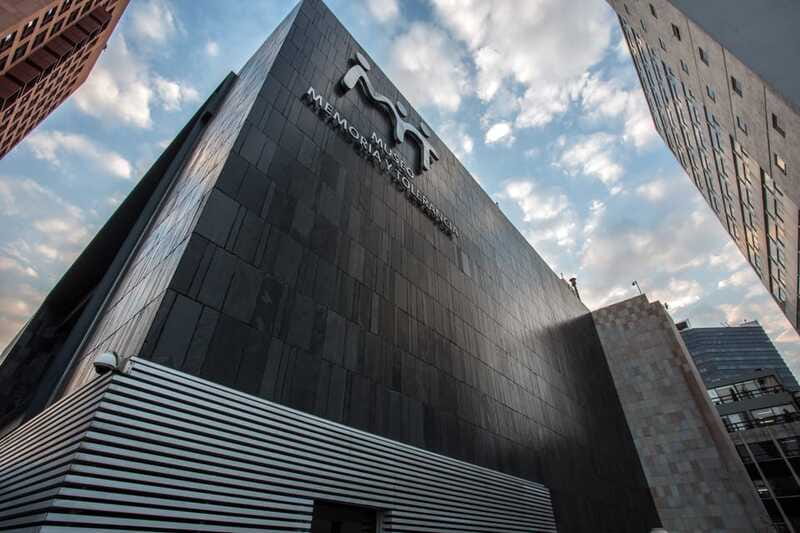
Your ticket also includes a visit to temporary exhibitions, so you are not only repeating the same themes. This is a real benefit because it gives you a chance to see fresh angles that may sharpen what you understood in the permanent rooms.
How you handle the temporary exhibits depends on your energy. If the permanent content has already used up your emotional bandwidth, do the temporary section with lighter attention. Read enough to get the main message, then decide what to linger on.
If you have more stamina, treat the temporary exhibits like a second pass. Ask yourself how the new materials connect back to the museum’s core warning: what happens when societies tolerate discrimination and violence?
Either way, try to leave time for the temporary section. The museum’s flow is strongest when you do not end the visit early.
Price, time, and who this ticket is best for
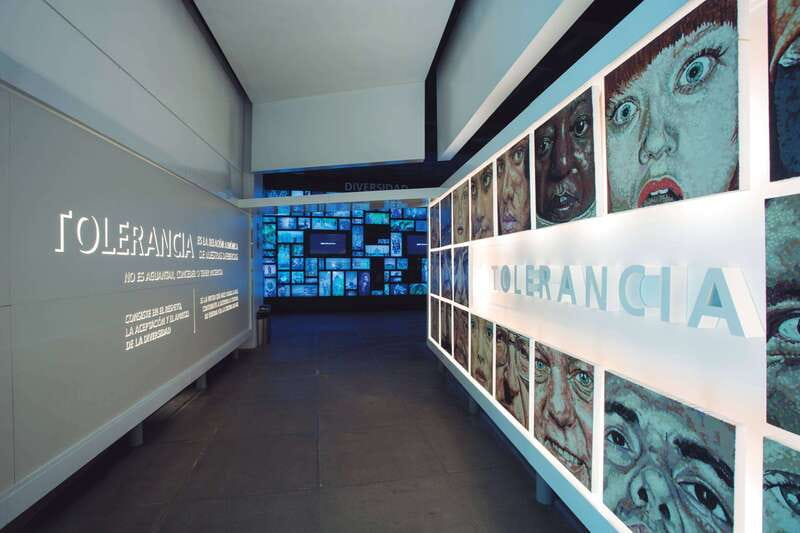
This ticket makes sense if you want a meaningful, structured museum experience in one day. With a full-day entry and audio guide, you can plan to see both permanent and temporary exhibits without feeling like you are speed-running the message.
The $13 price is also the kind of cost where you can do the visit even on a tighter Mexico City schedule, as long as you are ready for the subject matter.
This museum works especially well for:
- Adults who want history connected to human rights and social action
- People who prefer museums that use art, documents, and installations together
- Anyone who wants a museum day with more purpose than sightseeing photos
It is less ideal if you are looking for a light, casual walk-through. The museum deals with genocide and crimes against humanity, so plan your emotional pacing. If you are bringing a younger visitor, the museum’s guidance says the permanent exhibitions are recommended for kids older than 15, and younger children need an adult with them.
Practical tips that make your visit smoother
A few small things help you get better value from your time.
Use the audio guide on the rooms that feel dense. You will get more out of documents and context when you do not have to decode everything at once.
Take breaks between intense sections. Not in the sense of avoiding the message, just in the sense of resetting your attention so you do not numb out.
Wear comfortable shoes. You are going through many rooms, and the museum’s content is designed to be read and re-read, so you will likely spend more time standing than you expect.
Plan for no food and drinks inside. Eat before you arrive or plan a meal afterward.
If you need accessibility support, it is wheelchair accessible. The museum also provides a practical setting for people who rely on mobility access.
Should you book this Museo Memoria y Tolerancia ticket?
Book it if you want a one-day Mexico City experience that is serious in purpose and strong in presentation. The ticket gives you a full visit to the 43-room permanent exhibition, includes temporary exhibits, and comes with an audio guide in Spanish and English.
I would skip it only if you want something light and entertainment-first, or if your group needs content that is more age-appropriate than what the museum recommends. If you do come, arrive ready to slow down. This museum is not about rushing to the exit. It is about walking out with a clearer sense of what tolerance, discrimination, and violence mean in real human terms.
FAQ
How long does the Museo Memoria y Tolerancia visit take?
The ticket is valid for 1 day, so you can plan a full-day museum visit.
What is included with the ticket?
Your entry ticket includes access to the museum and a visit to the temporary exhibitions.
Is an audio guide included, and what languages are available?
Yes. The audio guide is included and is available in Spanish and English.
Can I visit the temporary exhibitions with this ticket?
Yes. Your ticket includes a visit to the temporary exhibitions.
Where is the meeting point?
The museum is located at Plaza Juarez in downtown Mexico City, next to the Secretaria De Relaciones Exteriores, and in front of the Hemicycle to Juarez.
Is the museum wheelchair accessible?
Yes, the experience is wheelchair accessible.
Are food and drinks allowed inside the museum?
No. Food and drinks are not allowed.
Is it recommended for children?
The permanent exhibitions are recommended for children older than 15 years old. Children younger than 15 need to be accompanied by an adult.
Is free cancellation available?
Yes. You can cancel up to 24 hours in advance for a full refund.
Does reserve now, pay later work for this ticket?
Yes. You can reserve now and pay later, with the option to book your spot and pay nothing today.
New reviews in from Mexico City
- Essence of Mexico: Authentic Mexican Cooking Class & Market Tour★ 5.0 · 289 reviews
- Teotihuacan Pyramids Morning Tour With Me, Angela!★ 5.0 · 290 reviews
- The City Green Exploring the Urban Eco Reserve of Xochimilco★ 5.0 · 290 reviews
- Mexico City E-Bike Tour with a taco and churros stop★ 5.0 · 292 reviews
- Teotihuacan Express Private tour from Mexico City★ 5.0 · 292 reviews
- Mexico City: Hidden Markets, Street Food & Salsa-Making Tour★ 5.0 · 310 reviews
- Xochimilco & Colonial Coyoacan Trip★ 4.0 · 312 reviews
- Street Food Tour with Friends★ 5.0 · 326 reviews
City Tours, compared.
Teotihuacan & Guadalupe Shrine Tour with Lunch
Read our review →
Teotihuacan, Tlatelolco & Guadalupe Shrine Tour
Read our review →
Teotihuacan Hot Air Balloon Flight from Mexico City / Volare
Read our review →
Teotihuacan Early Access Tour & Optional Lunch
Read our review →

Browse the lists this tour appears in