

Reviewed · TURTLE SNORKELING TRIPS
Baby Sea Turtle Releasing Sightseeing Tour with Luis de la Maza
Releasing baby sea turtles on a remote stretch of sand is the kind of experience that feels real, fast. This trip takes you from Zihuatanejo to Juluchuca, a rural community known for coconut macaron production and, more importantly, a long, secluded beach where mama turtles can nest away from the loud tourist zones. If you care about conservation but also want a front-row seat, this hits both.
I especially like the hands-on release moment. After you learn about turtle life cycles and the threats they face, you get to help move newly hatched turtles from their nest area to the wet sand and then watch them scramble toward the ocean. The other big plus is how organized it feels, with pickup in an air-conditioned vehicle and a small cap of 30 travelers.
One consideration: even though the total duration is listed at about 3.5 hours, there is meaningful travel time and a rustic feel once you reach the beach area. If you prefer a super polished, urban-style outing, this may feel a little more rugged than you expect.
Key highlights you should know before you go
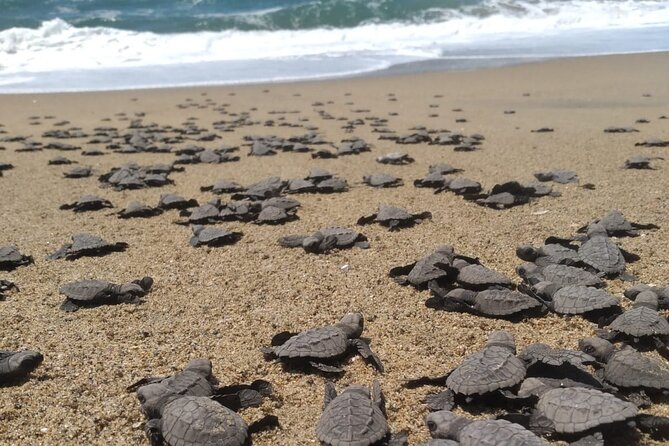
- A remote Juluchuca beach: longer, quieter nesting habitat away from major beach crowds
- Real turtle education: learn the life cycle and the three species that nest in this region
- Nest-to-sand process: you witness hatching and then the careful release steps
- You help in the final run: move hatchlings about 25 feet to the wet sand and wait for them to reach the ocean
- Small group size: up to 30 travelers, usually with an experience that feels more intimate
- English-guided: tour offered in English, with hotel pickup and a mobile ticket
What Makes This Baby Turtle Release in Juluchuca Worth Your Time
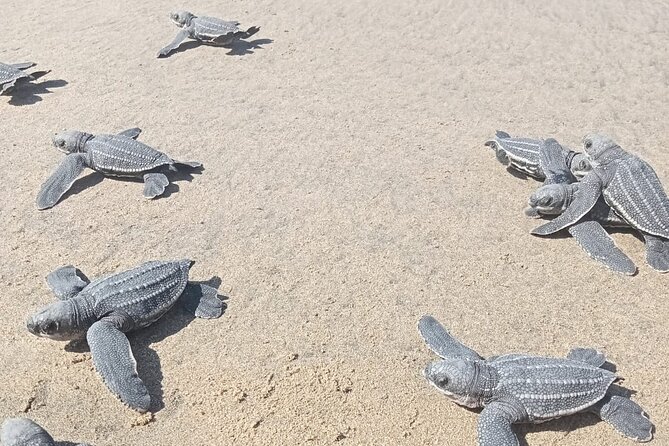
This tour is interesting because you are not just watching turtles from a distance. You are part of the last, fragile stage of the hatchlings’ first journey, guided by people who know how high the stakes are for newborn sea turtles. The remote setting in Juluchuca matters too, because turtles nest better where there’s less pressure and less noise.
The experience also carries an educational spine. You spend time learning about the life cycle and the different types of sea turtles that come ashore here, plus the predators that threaten them both before they reach the ocean and after they do. That context makes the release feel less like a stunt and more like a conservation action you can understand.
And you get something emotional in the best way: seeing dozens of tiny hatchlings move toward the surf. In the past, guides such as Luis de la Maza have shared the story and translation, while site staff such as Balthazar have added what’s happening on the ground, which helps the day feel grounded, not staged.
More Turtle Snorkeling Trips in Ixtapa & Zihuatanejo:
- Half-Day Sea Turtle and Cenote Snorkeling Tour from Cancun & Riviera Maya
★ 5.0 · 2,039 reviews - Tulum Ruins, Turtles in Akumal and Cenote tour
★ 5.0 · 1,706 reviews - 5-in-1 Cancun Snorkeling: Turtles, Reef, Musa, Shipwreck, Cenote
★ 4.5 · 1,678 reviews
Getting Picked Up at Your Hotel and Riding South Like a Local
The tour starts at 2:00 pm. Pickup is from the lobby of your hotel, and the guide will mention your name so you can confirm you are with the right team. Plan to be ready 5 minutes before pickup since the whole experience runs as one coordinated block.
You ride in an air-conditioned vehicle, and travel time is included in the total time estimate of about 3 hours 30 minutes. That matters because the turtle release area is outside the city bustle, and you are not rushing in and out. You can use the ride to settle in, listen to the guide, and start connecting the local geography to why this beach is important.
One more practical note: the tour has maximum 30 travelers. That cap is big enough that you should not expect a tiny private group every day, but small enough that the guide can still manage the release sequence without feeling chaotic.
Juluchuca Beach: Turtle Life Cycle, Species, and the Predators You Protect Them From
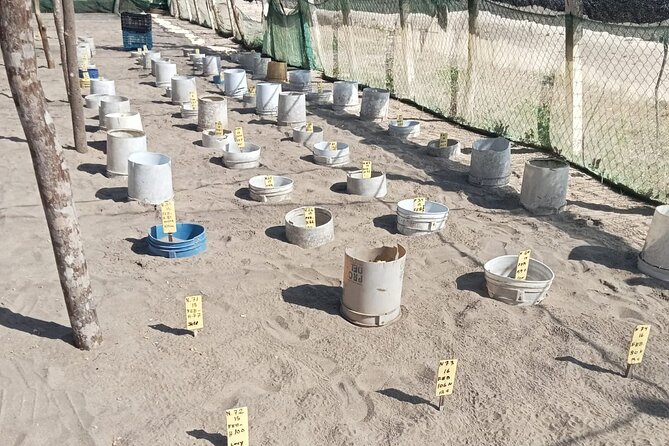
Once you reach the Juluchuca area, you get a focused lesson before you ever touch a hatchling. The guide explains the turtle life cycle, then highlights the three different kinds of sea turtles that come to this part of Mexico to lay eggs. Even if you already know a bit about sea turtles, this part is useful because it connects the local nesting behavior to the risks the eggs and hatchlings face.
You also hear about predators. First, threats that can stop hatchlings on the way out of the nest. Then, threats that can follow them once they are in the ocean. That two-stage view helps you understand why the team’s work includes both night patrols and carefully managed hatchling handling.
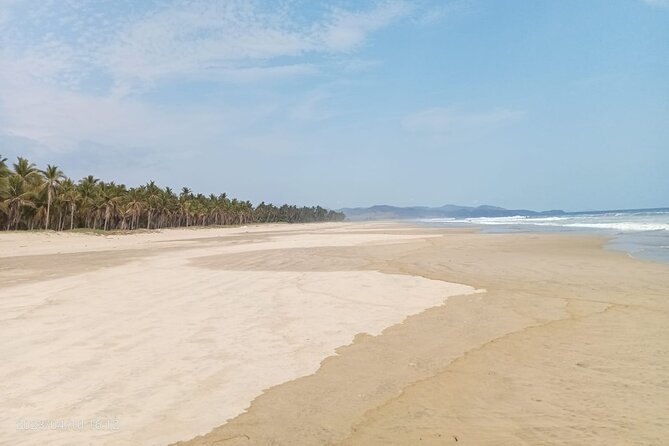
Juluchuca itself plays a role in the story. This is described as a place with a long, secluded beach, ideal for mama turtles to nest away from town noise. When you stand there, it makes sense. Quiet, space, and distance from crowds are not just nice perks, they are part of the survival equation.
The Nest-to-Sand Workflow: Seeing Hatching, Holding Hatchlings, and Releasing Them
This is the heart of the day, and it runs in a clear sequence.
First, you learn about nests that were found ahead of time. Then you select a nest that was located the day before. The team carefully removes a little sand so you can see one egg, then they cover the nest back up. That step is gentle and controlled, and it gives you a window into what you are actually helping protect.
Next comes the moment you came for. You select a nest that is hatching, and you watch the hatchlings come up toward the surface. They are then placed into small containers. The time in the container is typically 10 to 20 minutes, enough for the turtles to be active and ready.
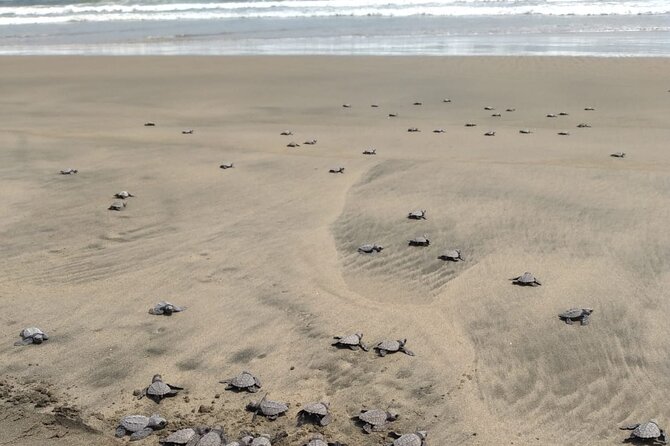
Here is where your role becomes real. You help move the hatchlings to the wet sand, about 25 feet from the ocean. As soon as they are placed in the wet sand, you watch them run toward the sea. The team waits until all the turtles make it to the ocean, so you are not left standing there guessing if the release worked.
You might notice how deliberate everything is. That’s because newborn turtles are not only tiny, they are timed by instinct and urgency. You are assisting a moment that cannot be rushed.
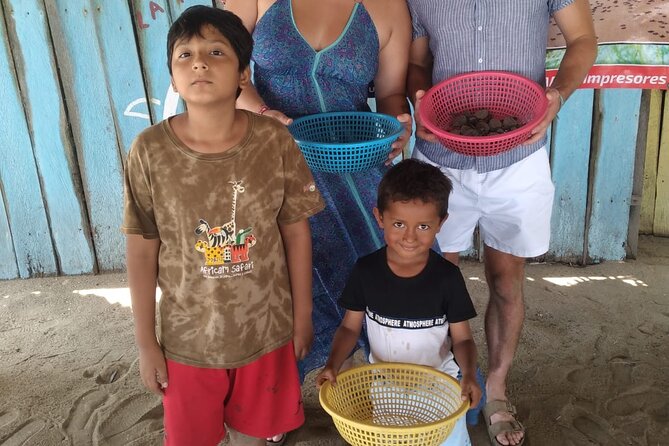
In practice, some releases include photo-friendly handling, and you may be given baskets or individual moments to hold the hatchlings before release. If that happens on your day, it makes the day feel even more personal, while the conservation goal stays the focus.
Conservation That Feels Local, Not Lectured
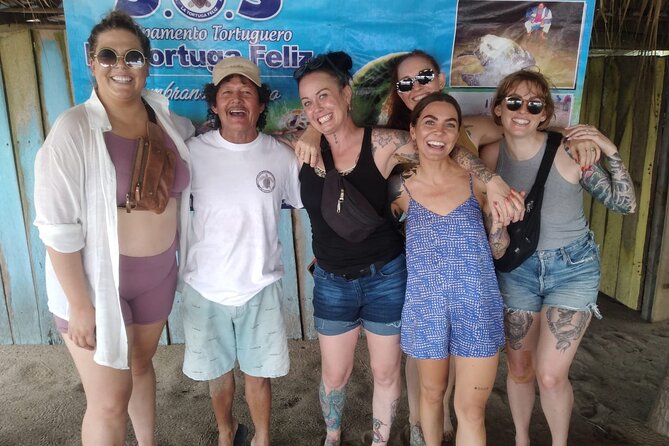
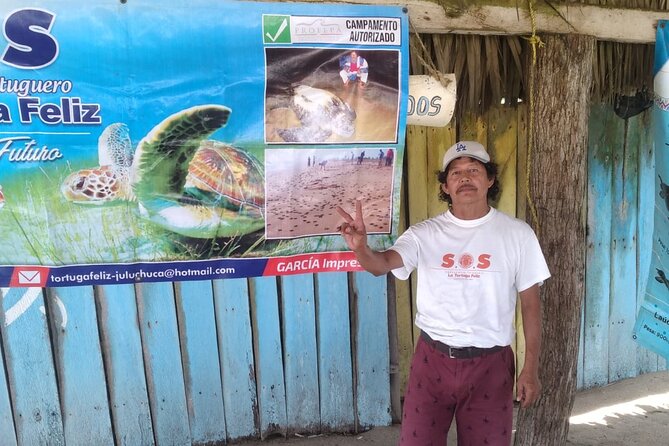
One thing I like about this tour is the way it frames conservation as hands-on work by local people. In this region, groups such as La Tortuga Feliz (also described as Happy Turtle) work to protect adult turtles, nests, and hatchlings across a long stretch of desert-like beach habitat. The point is not to sell you an abstract idea. It’s to show you the daily reality: patrol, monitoring, and careful handling so hatchlings have a chance.
That local approach shows up in the tone of the guides. Guides like Francisco (Paco), Juan, and Luis de la Maza have been described as friendly and full of practical detail, with humor mixed into the lesson. At the site, hatchery or rescue team members such as Freddy and Balthazar help explain what they are doing and why it matters.
The message that lands most for many people is simple: the odds for baby sea turtles can be extremely low without human help. The release is not magic. It is a head start, plus protection from predators during a short window when the hatchlings are most vulnerable.
Also, this is not a long lecture. The education segment is built to lead you right into action. You learn for a bit, then you participate, then you watch outcomes immediately.
How Long You’ll Be Out, and What the Experience Feels Like with a Small Group
The duration is listed at about 3 hours 30 minutes, including travel. That means the tour is long enough to feel complete, but not so long that you are stuck for half your day.
You start at 2:00 pm, which also fits the feeling of a late-day beach activity. You are not dealing with peak midday heat the same way you might on a morning beach tour. Still, plan for real sun and real sand once you arrive.
Because the group size maxes at 30, you should expect you will be managed. The release moment requires coordination, especially with multiple nests and multiple hatchlings moving at once. A smaller group also makes it easier for guides to answer questions and keep the line moving safely.
Some people get an extra personal touch too. There are examples of the tour operating with a very small group or even feeling private. You should not assume that every day will be that way, but the overall setup is designed to keep things manageable.
The $65.75 Price: What You Get for the Money, and Where Value Can Vary
At $65.75 per person, this is not a bargain, and it is not a luxury experience either. It’s a conservation outing with local labor and a specific destination, which is part of why the price exists.
What you do get for the money is clear:
- Air-conditioned vehicle transportation
- Tour guide service
- All fees and taxes
What you do not get:
- Dinner is not included
So the value depends on what you compare it to. If you only think of it as a ride to a turtle site, it might feel pricey. But if you factor in the structured education and the guided, careful release process, the price starts to make more sense. You are paying for more than transportation, you are paying for the choreography and the local expertise that keeps the moment safe and respectful.
There is also a pricing reality that you might want to consider. Some people do the turtle release area on their own and only use a taxi or shuttle to reach the site. That can reduce cost. The tradeoff is that you lose the English-led explanation and the guided process that helps you understand what you are seeing.
My advice is to decide based on your priorities. If you want meaning and structure, the tour price can feel fair. If your only goal is getting to a beach for an independent release, you might find cheaper transport options.
Practical Tips for a Smooth Release Day (Without Overpacking)
This is a beach activity, and it moves through a few distinct modes: vehicle ride, beach explanation, then release on wet sand. That means comfort matters more than fashion.
I suggest dressing for sand and walking, and bringing gear you are fine getting a little dirty. You may also want something to protect you from sun once you’re outside the vehicle. If you’re traveling with kids, this is a great day, but bring snacks and water you can manage, since dinner is not included.
Footwear also matters. Wet sand can be slippery, and you will be near the shoreline during the release. You do not need to bring anything fancy, just something practical that you can handle around water and sand.
One more tip: go in with the mindset that timing is part of the experience. The hatchlings are in the container for a short window, and then everyone moves together to the release area. When you feel rushed, you might forget to take in the moment, so set your expectations for a short, intense event rather than a long leisurely hangout.
Timing, Weather, and What Happens If Plans Shift
This tour requires good weather. If conditions are poor and the activity is canceled, you are offered a different date or a full refund.
If you book, keep your schedule flexible on that day. Even if you personally feel ready for sun or light wind, the operator still needs appropriate conditions to run the release safely and effectively. The good news is that the cancellation structure is designed to reduce your risk.
Also, you will get confirmation at booking, and you will receive a mobile ticket, which makes day-of check-in easier. Just make sure you’re ready when pickup time comes, since the experience is timed as one unit.
Who Should Book This Turtle Release, and Who Might Skip It
Book this tour if you:
- Want a hands-on conservation experience instead of another beach photo stop
- Enjoy learning that connects directly to what you will do, not just what you will watch
- Are traveling as a couple, family, or small group and can handle a short, moving itinerary
It may be less ideal if you:
- Need a very polished, resort-style day with lots of downtime
- Prefer activities that do not involve careful handling and coordinated release steps
- Are highly uncomfortable in rustic, sand-based environments
One of the strongest strengths of this experience is that it hits a sweet spot for many ages. It is memorable for adults, and it can be a rare chance to get kids interested for more than five minutes because they are actively involved in the release.
Finally, if you speak English or rely on English guidance, this is offered in English, which makes the lesson easier to follow and helps you connect the conservation work to what’s happening in front of you.
Should You Book the Baby Sea Turtle Releasing Tour with Luis de la Maza?
Yes, I think you should book it if your travel style includes meaning, not just sights. The price is reasonable in the context of a guided, conservation-focused experience with local expertise, and the payoff is immediate: you learn, you participate, and you watch the hatchlings run to the ocean.
If you are on the fence because of the cost or the travel time, treat the tour as an experience first and transport second. The local beach, the life cycle lesson, and the nest-to-sand sequence are the value you would miss if you tried to recreate it on your own.
If your dates are flexible and the weather cooperates, this is one of those trips that can turn into a true highlight of your Mexico stay.
FAQ
What time does the baby sea turtle release tour start in Zihuatanejo?
The start time is 2:00 pm.
Does the tour include hotel pickup?
Yes. Pickup is offered from the lobby of your hotel, and the guide will mention your name to help you confirm it is the correct tour.
How long is the tour?
The duration is approximately 3 hours 30 minutes, and travel time is included in that total.
Is the tour offered in English?
Yes, this tour is offered in English.
What is included in the price?
The price includes an air-conditioned vehicle, tour guide service, and all fees and taxes.
Is dinner included?
No. Dinner is not included.
What happens if the weather is bad?
This activity requires good weather. If it is canceled due to poor weather, you will be offered a different date or a full refund.
New reviews in from Ixtapa & Zihuatanejo
- Private Ixtapa and Zihuatanejo City Tour★ 5.0 · 137 reviews
- Xihuacan Culture and Archaeology Tour★ 5.0 · 116 reviews
- Ixtapa Island Tour★ 4.5 · 134 reviews
Turtle Snorkeling Trips, compared.
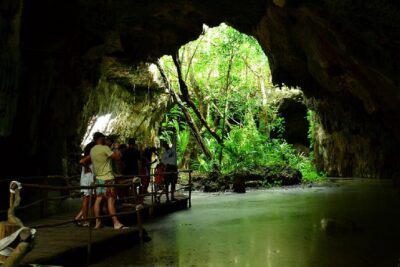
Half-Day Sea Turtle and Cenote Snorkeling Tour from Cancun & Riviera Maya
Read our review →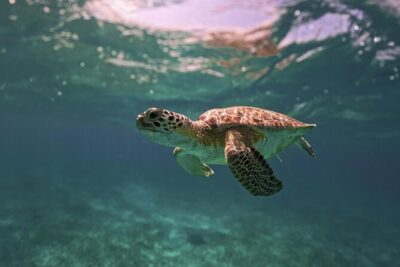
Tulum Ruins, Turtles in Akumal and Cenote tour
Read our review →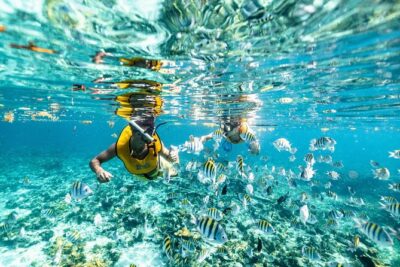
5-in-1 Cancun Snorkeling: Turtles, Reef, Musa, Shipwreck, Cenote
Read our review →
Hidden Cenote Swim: Snorkeling, Sea Turtles and Beachside Lunch
Read our review →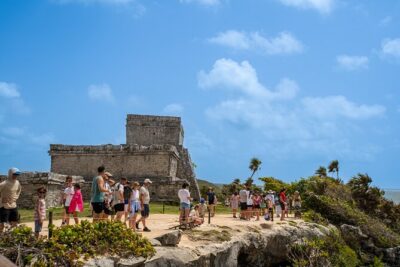
Full Day Tulum Ruins Tour Cenote and Swimming with Sea Turtles
Read our review →
With Turtles, Shipwreck, Cenote, and Reef and Transport Included
Read our review →
4 Hour Cozumel Turtle Sanctuary Experience on a Luxury Catamarán
Read our review →Browse the lists this tour appears in