
Reviewed · CHICHEN ITZA TOURS
Chichen Itza On-Site Guided Tour with Certified Local Expert
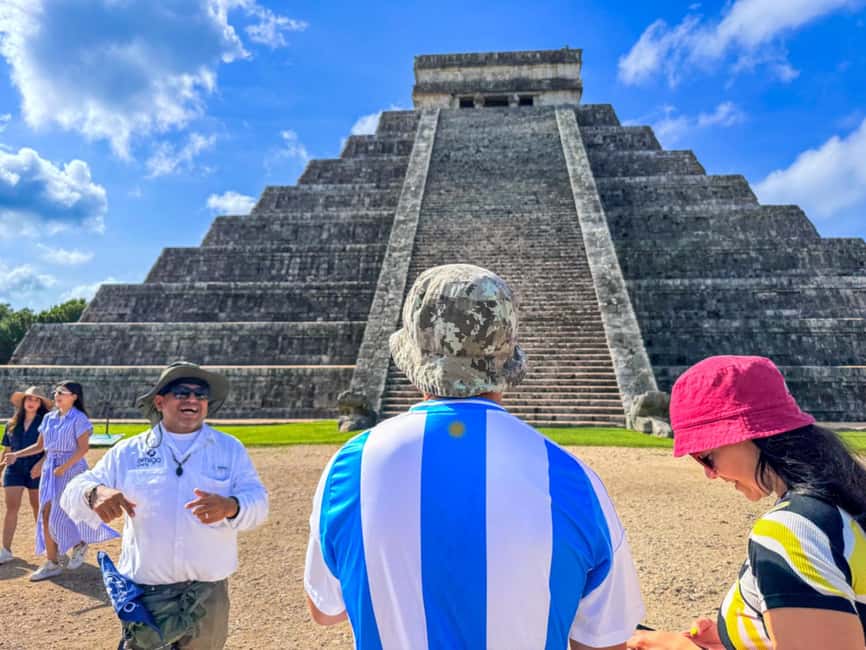
Chichén Itzá is famous for El Castillo, but what makes this experience interesting is the way a certified local guide ties the stones to Maya science and ritual. You walk the site at a steady pace and come away with the kind of context that makes your photos make sense, not just look cool.
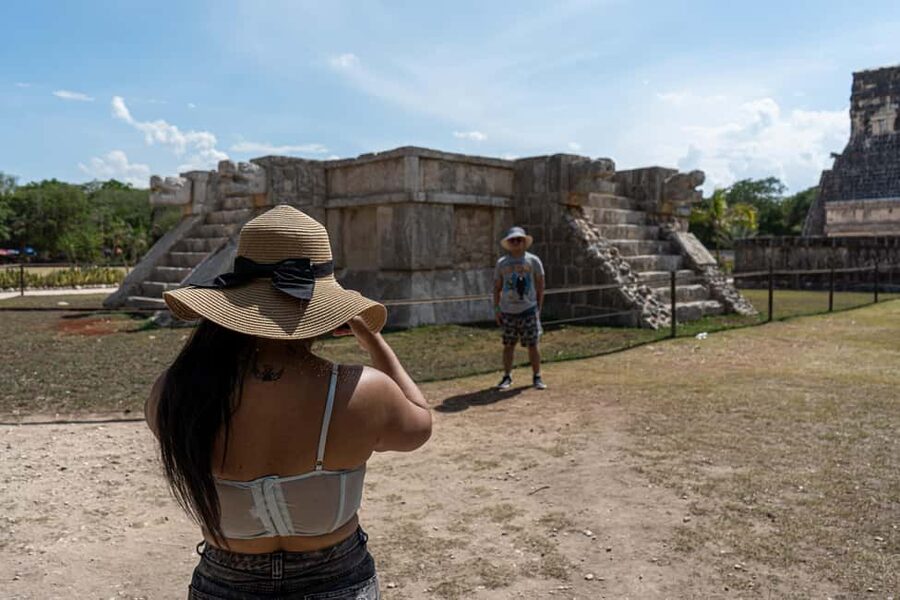
I especially love the photo assistance where the guide helps you capture better angles with your phone. I also like how the explanations connect architecture, astronomy, and daily life, so landmarks feel less like random ruins.
One drawback to plan for: you are outside in the sun, and the walk is not wheelchair-friendly. Come prepared with water, shade help (hat), and comfortable shoes.
Key highlights to look for
- Certified local expert who explains Maya history, rituals, astronomy, and architecture in plain language
- Shared bilingual or private monolingual options in English, Spanish, Italian, or Portuguese
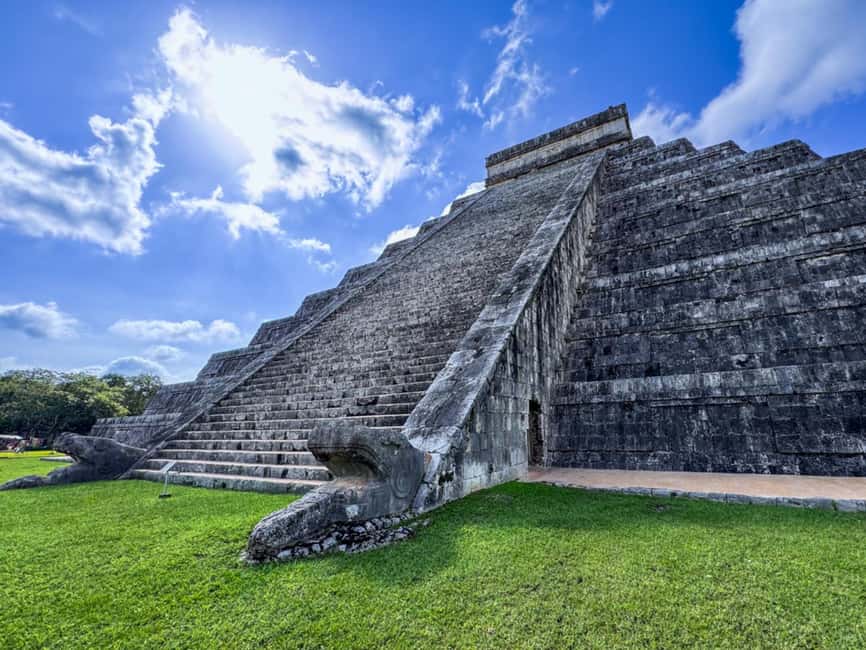
- Iconic stops including El Castillo, the Great Ball Court, and the Sacred Cenote
- Photography help so your group gets real photos, not just shaky phone selfies
- Visual reconstructions that can show how structures looked in the past (often via an iPad)
- Built-in time for questions and a bit of free walking so you do not feel rushed
Why a Certified Maya Guide Changes Chichén Itzá
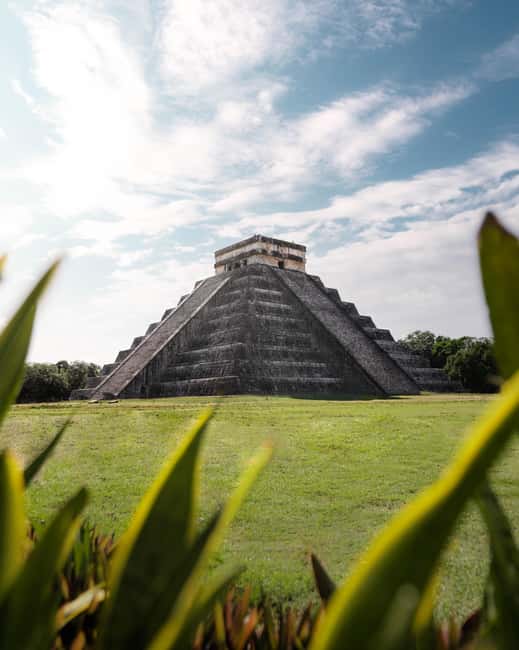
Chichén Itzá is the kind of place where people often arrive with a checklist. Pyramid. Ball court. Cenote. Photos done. That is fine, but it is also why a guide matters so much here.
With this tour, you get a guided walk that focuses on how the Maya understood the world and how that shows up in the layout. You learn how the big structures link to timekeeping, worship, and public life. The payoff is that you start noticing details on your own, like the placement of buildings, the rhythm of the space, and why certain spots are more meaningful than they look.
You also tend to get the small, practical storytelling that makes the site easier to follow. Instead of reading signs at a distance, you get a human explanation while you are standing right in front of the thing.
More ways to see Chichen Itza:
- Chichen Itza, Cenote, and Valladolid Tour
★ 5.0 · 24,293 reviews - Chichen Itza, Cenote & Valladolid Tour with Tequila and Lunch
★ 4.5 · 15,789 reviews - Cancun: Chichen Itza, Cenote & Valladolid Tour with Lunch
★ 4.6 · 6,722 reviews
Shared Bilingual vs Private Monolingual: Pick the pace you want
This experience comes in two formats. You can choose a shared tour with live commentary in English and Spanish at the same time, or you can book a private monolingual tour in Spanish, English, Italian, or Portuguese.
If you like meeting people and keeping it social, the shared bilingual option is a good fit. It can also work well for mixed-language groups, because the guide keeps switching between English and Spanish so nobody feels left out.
If your priority is a quieter, more flexible visit, go private. Private means you can ask questions without worrying about the group rhythm. It also tends to be better if you are traveling with kids who need breaks, or if you want to focus tightly on the parts you care about most, like astronomy or the meaning of the ball game.
One note: the private option requires a minimum of 2 people. If you are solo, you’ll likely be happier with the shared format.
Meeting at the Parador Turístico, Official Mayan guide (and why timing matters)
You meet at Chichén Itzá Parador Turístico, specifically at the spot marked for the official Mayan guide. Show up at least 10 minutes early, and you will start the walk feeling calm instead of stressed.
Why early matters: the first minutes set the tone. You get oriented quickly, and you can settle into the walking flow before the heat really ramps up. Also, the tour typically includes an early photo stop, so arriving on time helps you actually get that.
If you are arriving on your own, this is one of the easiest formats to manage. Transportation is not included, so you are responsible for getting to the meeting point, but once you are there, the guide handles the pacing and the route.
El Castillo and Temple of Kukulcán: what to look for besides the pose
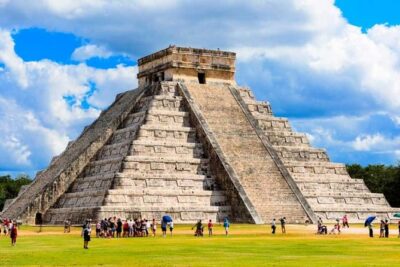
El Castillo is the headline, and it is hard to miss. But the value of a guide is what you learn while you are standing there.
This stop is about more than admiring a pyramid. You hear how the Maya designed the structure so it connects to time. You also get explanations for what people observed and celebrated, and why the architecture feels like it is speaking to the sky.
The Temple of Kukulcán gets its own focus too. That means you are not just looking once and moving on. You get a clearer sense of the story behind the steps, the symbolism, and how the site works as a unified plan rather than scattered monuments.
Photo tip: El Castillo is very photogenic, but it can also be one of the easiest places to accidentally photograph badly (too much glare, too much crowd background, or the wrong angle). A good guide helps you pick spots that frame the pyramid better and reduce that harsh midday look.
More days out of Merida:
- Chichen Itza, Private Cenote/Food Experience & the magic Izamal
★ 5.0 · 385 reviews - Chichen Itza, Cenote Swim & Izamal Magic Town with Buffet Lunch
★ 4.5 · 317 reviews - From Merida: Chichen Itza, Izamal & Cenote with Buffet Lunch
★ 4.5 · 131 reviews - Merida: Chichen Itza Cenote, Food Experience & Izamal
★ 5.0 · 71 reviews
Great Ball Court and Sacred Cenote: ritual, sound, and science in the same walk
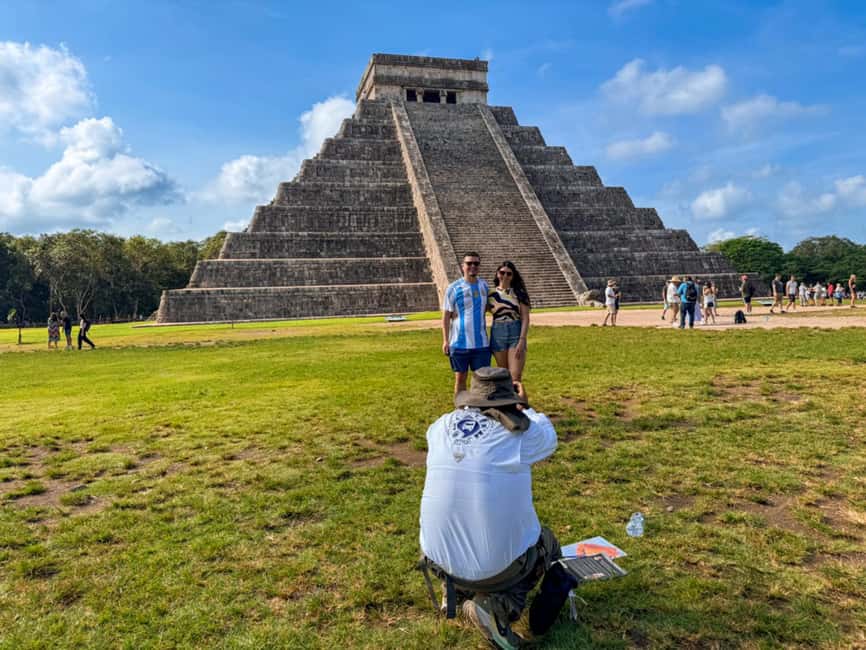
Chichén Itzá feels like a history book, but it is also a place with physics. Two stops in particular help you see that.
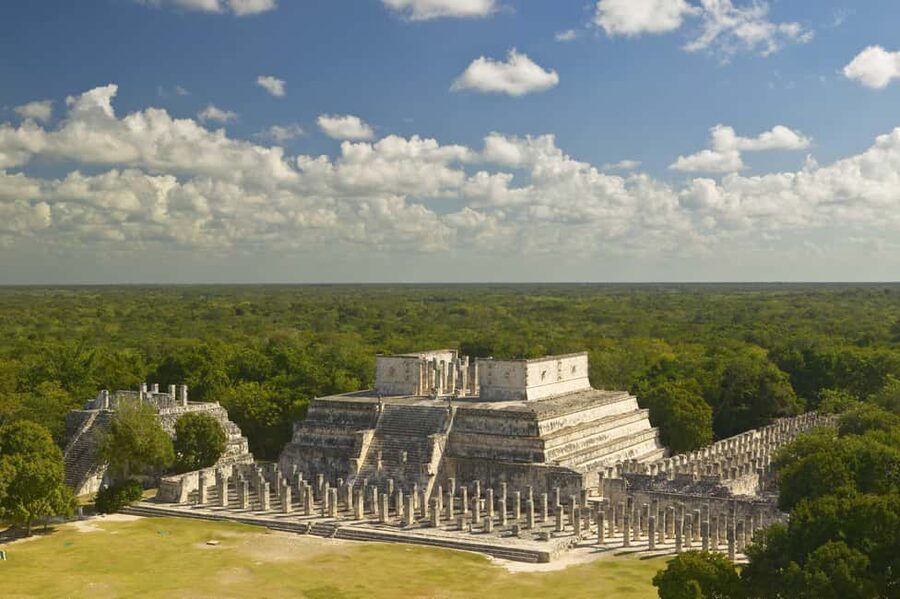
At the Great Ball Court, you learn about the famous Maya ball game and what it meant socially and spiritually. The court is not just a sport venue in this story. It is a powerful stage. Many people love this part because the court shape and walls make the space feel alive. If you are into details, ask your guide to point out how sound carries in the area, because that aspect can make the ball court experience more memorable.
Then you have the Sacred Cenote. This is where the tour shifts into ritual and belief. You learn why cenotes mattered so much to Maya life and religion, and how the site’s natural features were folded into the culture’s big questions about water, life, and the unseen world.
This combination matters for your understanding. El Castillo explains design and time. The ball court adds public ceremony and social meaning. The cenote ties it back to the spiritual world and the environment the Maya relied on.
Photo help with your phone: less stress, better results
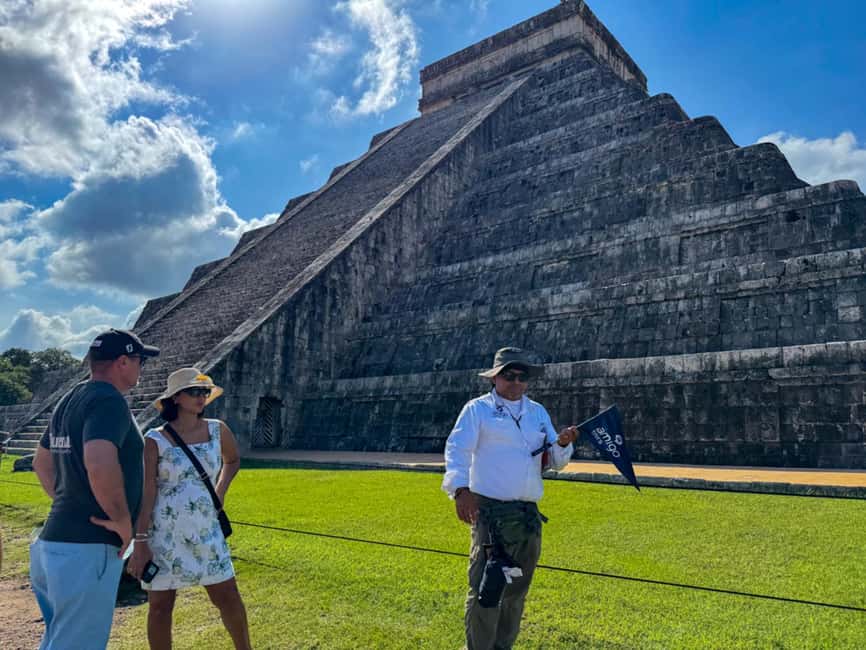
If you care about photos, you will likely enjoy the photography assistance built into this tour. The guide helps you take shots with your phone, and you also get recommendations on where to stand for better views.
That might sound minor, but it changes the feel of the visit. Without help, you spend time negotiating angles and trading phones. With help, you can stay present at the stops while still getting photos you actually want.
Also, this kind of tour often uses visual tools. One of the standout elements people mention is the use of an iPad to show reconstructions of how structures might have looked in the past. That is a big deal. When you can compare the ruin you see today to an imagined restored version, details start snapping into place.
What you really get in 90 minutes (and when it feels short)
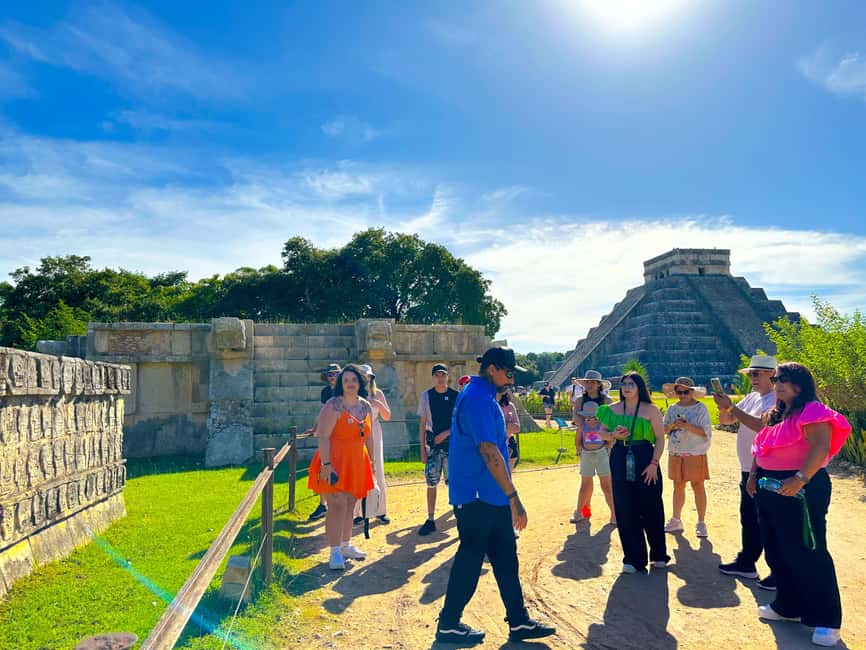
The total experience is about 90 minutes, with the walking time designed to cover the key parts without turning into an all-day grind. That works for a lot of people because Chichén Itzá can feel intense in the heat.
Expect a guided walking experience that includes:
- a photo stop
- guided visits to the major structures
- time to look around on your own
- time to ask questions
Here is the practical truth: 90 minutes is enough for the core highlights, not enough for slow museum-level exploration. If you want to read every sign, linger forever at every corner, or plan to chase the perfect golden-hour angle, you may want extra time on your own before or after.
But if your goal is to see the big sites, understand them, and leave with clear takeaways, this length is often just right. Even families with young kids tend to appreciate it because it stays focused and does not drag.
Rules you need to follow, so your tour stays smooth
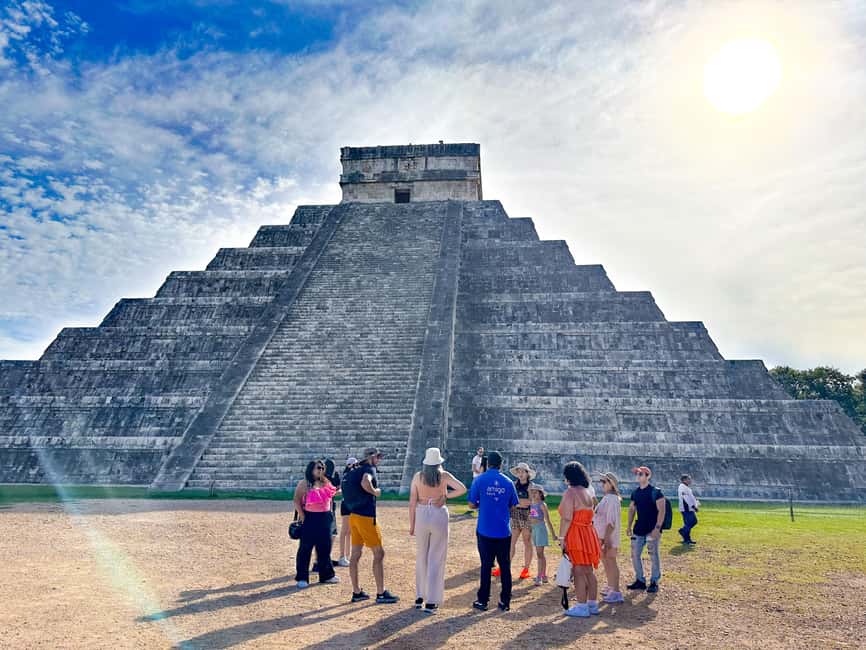
The site has real restrictions, and they matter because you are outdoors and moving quickly between points.
Plan on bringing:
- passport or ID card
- comfortable shoes
- sunglasses and a hat
- sunscreen
- camera (smartphone is fine)
- water
- comfortable clothes
- cash
Leave at home:
- luggage or large bags
- drones
- professional cameras
- tripods
- food
- alcohol and drugs
- anything that leads to touching exhibits or plants
If you show up with the wrong item, you can lose time at the start. So do a quick packing check the night before. Also, if you are sensitive to heat, bring extra water and do not assume you will feel fresh just because you arrived early.
Price and value: why $52 can make sense here
At $52 per person, you are paying for three things: a certified local guide, focused time in the key areas, and a guided structure that helps you understand what you are seeing while you are standing there.
Here is where value depends on the option you choose. The tour can include the entry ticket to Chichén Itzá only if you select the option that bundles it. If you choose an option without the ticket, you will need to handle admission separately.
Also remember: transportation to and from the site is not included. That means your all-in cost depends on where you are starting from. If you are already close and can get yourself to the Parador Turístico meeting point, the $52 tends to feel like a straightforward spend on interpretation and guidance. If you are coming from far away and need a dedicated transfer, your total day might cost more.
My practical advice is to decide what you want most:
- If you want clear explanations and better use of your limited time, a guided walk in this format is usually worth it.
- If you only want photos and you are comfortable reading signs on your own, you might skip the guide.
Who should book this tour, and who should skip it
This experience is a strong match if you want:
- a guided walk focused on Maya culture, rituals, astronomy, and architecture
- a visit to El Castillo plus other must-sees like the ball court and cenote
- help with photos using your phone
- the ability to ask questions without feeling trapped in a giant group
It can also be a good pick for families, including kids, because the tour length is manageable and guides tend to answer questions for both kids and adults.
It is not a good match if you use a wheelchair, since it is not suitable for wheelchair users.
Should you book this Chichén Itzá guided tour?
Book it if you want to understand Chichén Itzá, not just stand in front of it. The certified local guide format, the photo help, and the way the key stops are explained all work together for a smoother, more satisfying visit in a short window.
Skip it if you are traveling ultra-budget, you have plenty of time to explore on your own, and you do not care much about the meanings behind the structures. In that case, you might be happier doing a self-paced visit and spending your money elsewhere.
If you do book, come prepared for the heat and show up on time at the Parador Turístico. That small move helps you start the day relaxed, get the early photo moment, and enjoy the walk with less rushing.
FAQ
How long is the Chichén Itzá on-site guided tour?
The tour lasts about 90 minutes.
Where do I meet the guide?
Meet your guide at Chichén Itzá Parador Turístico, at the location marked for the official Mayan guide. Arrive at least 10 minutes before your booked time slot.
Is the tour shared or private?
Both are available. You can choose a shared tour with bilingual commentary, or a private tour in one language.
What languages are offered?
Italian, English, Spanish, and Portuguese. Shared tours provide live commentary in English and Spanish at the same time. Private tours are monolingual.
Is the entry ticket to Chichén Itzá included?
Only if you select the option that includes the entry ticket. If not selected, the ticket is not included.
What’s included in the tour?
You get a 1.5-hour guided walking tour with a certified local guide, live commentary (bilingual or monolingual depending on option), photography assistance, and the Chichén Itzá entry ticket only if that option is selected.
What should I bring with me?
Bring passport or ID, comfortable shoes, sunglasses and a hat, camera, sunscreen, water, comfortable clothes, and cash.
What items are not allowed?
No smoking, no luggage or large bags, no drones, no professional cameras, no food, no tripods, and no alcohol or drugs. Also, touching exhibits or plants is not allowed.
What is the cancellation policy?
Free cancellation is available up to 24 hours in advance for a full refund.
New reviews in from Chichen Itza
- 2 Day Combo Tour, Xcaret, Xel-Ha, Xplor and Chichen Itza Option★ 4.5 · 310 reviews
- Chichen Itza, Cenote Swim & Izamal Magic Town with Buffet Lunch★ 4.5 · 317 reviews
- Chichen Itza Gastronomic, Valladolid and Cenote Extremo★ 5.0 · 324 reviews
- Chichén Itzá, Cenote and Valladolid with Lunch and transportation.★ 4.0 · 341 reviews
- Chichen Itza Private Tour VIP★ 5.0 · 369 reviews
- Chichen Itza, Private Cenote/Food Experience & the magic Izamal★ 5.0 · 385 reviews
- Chichen Private Experience★ 5.0 · 437 reviews
- Private Chichen Itza – No additional stops at other hotels★ 5.0 · 446 reviews
Chichen Itza Tours, compared.
Chichen Itza, Cenote & Valladolid Tour with Tequila and Lunch
Read our review →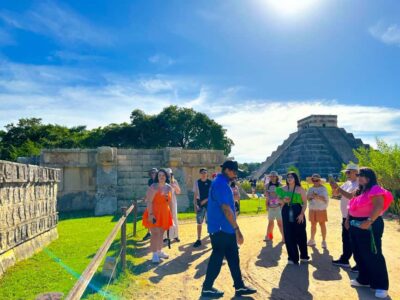
Chichen Itza, Cenote & Valladolid Tour with Lunch
Read our review →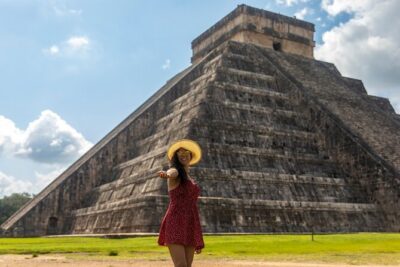
Early morning Chichen Itza Tour: Cenote and Tequila Tasting
Read our review →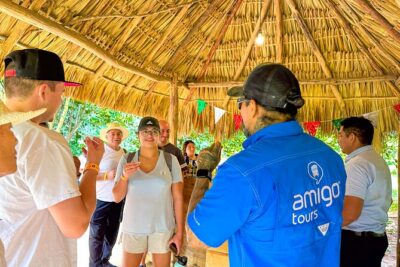
Chichen Itza Early Access All Inclusive: Hotel Pick up & All Fees
Read our review →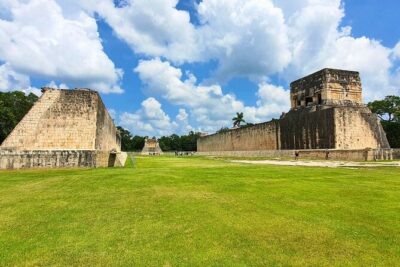
Chichen Itza Gastronomic, Valladolid and Cenote Extremo
Read our review →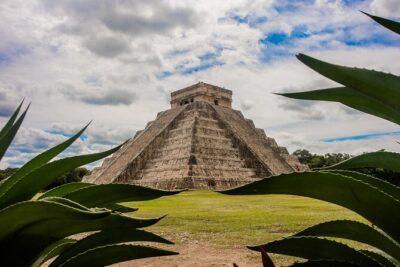
Chichen Itza, Cenote and Valladolid Small Group Day Trip
Read our review →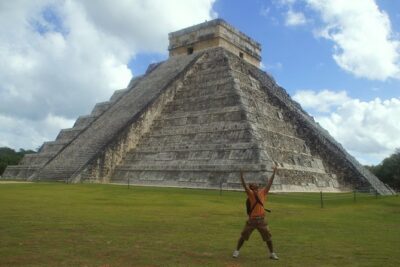
Browse the lists this tour appears in