
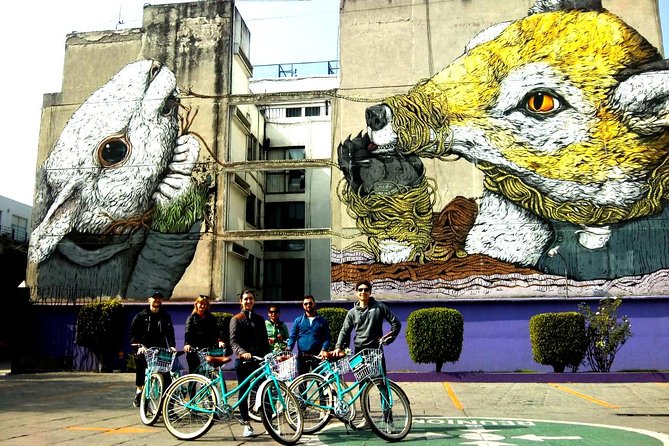
Reviewed · CYCLING TOURS
Mexico City; ART NACO : Murals & Street Art Bike Tour
What makes this tour interesting is that street art in Mexico City becomes a rideable story, not a scavenger hunt. Guides like Alberto and Ivan focus on neighborhoods locals actually use, so the murals feel connected to daily life. Two things I especially like are the small-group size and the fact that the route comes with real street-food stops, not just a quick snack.
One possible drawback to factor in: bike condition can be uneven. I saw comments about weak brakes and quirky gears on some bikes, so you should expect “practical city-bike” rather than a brand-new machine every time.
Plan on an easygoing pace and a route choice. You get to pick between north or south styles, and the tour includes bottled water plus street-food snacks that cover different diets, including vegan options.
Key Points to Know Before You Go
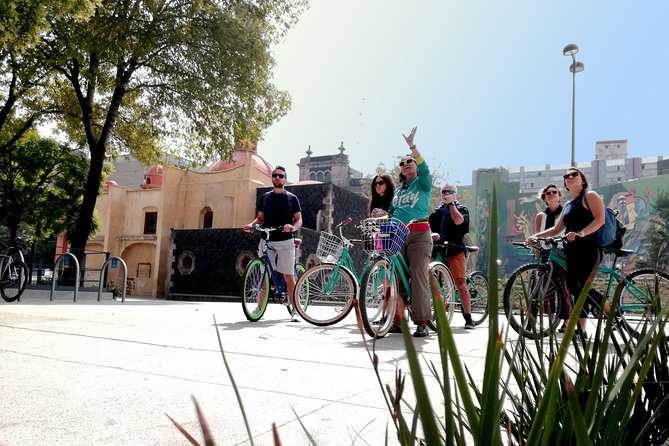
- Street art route beyond the usual sights, through Guerrero, Lagunilla, Obrera, Doctores, Juárez, and Cuauhtémoc
- Small group capped at 10, with traffic help so you can cross busy streets calmly
- Street food is part of the tour, with tacos, quesadillas, tlacoyos, gorditas, chilaquiles, and more, plus dietary options
- Antique Toy Museum stop, tied to the city’s street art festival energy starting in 2011
- Two route options, north or south, letting you tailor the balance of neighborhood history and murals
- About 3 hours on bikes, slow and steady, with frequent stops for photos and context
Why Mexico City Street Art Works Best on Two Wheels
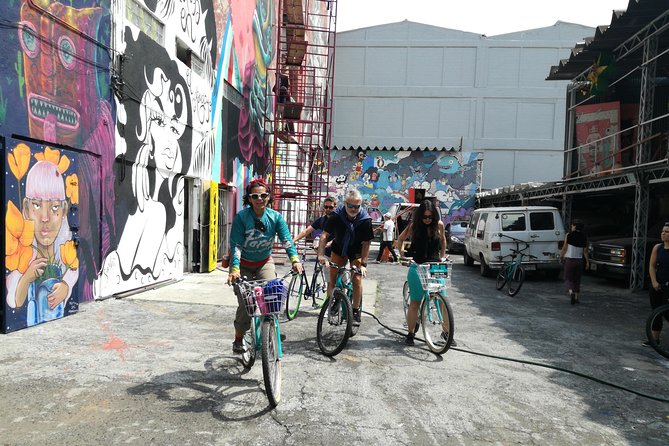
Mexico City murals are not just painted walls. They are part of how the city talks to itself, about identity, neighborhoods, and who gets to be seen. This tour gets you moving through that conversation in a way a walking tour can’t. When you’re on a bike, you spend less time backtracking and more time actually looking at details.
I like that the tour keeps you in the city’s working seams. You’re not limited to the postcard zone. Instead, the route connects neighborhoods like Guerrero and Lagunilla to places such as Obrera and Doctores, and then finishes in Juárez and Cuauhtémoc. That flow matters, because street art often looks different when you see it in context, not as a single photo.
The best part is the mix of “show me” and “tell me why.” Guides often share artist context and local history tied to each wall. When you get someone like Ivan, or teams that include an expert blocker for traffic help like Timón, you feel the difference between simply seeing murals and understanding how communities keep them alive.
More City Tours in Mexico City
- Mexico City: Teotihuacan, Tlatelolco & Guadalupe Shrine Tour
★ 4.6 · 3,773 reviews - Teotihuacan Hot Air Balloon Flight from Mexico City / Volare
★ 5.0 · 3,262 reviews - Teotihuacan Private Tour from Mexico City
★ 5.0 · 1,890 reviews
Meeting Point and Timing That Actually Work for a Half-Day Plan
The tour starts at 10:00 am at Av. P.º de la Reforma 24-1, Colonia Centro, Cuauhtémoc (06040). It ends back at the meeting point. It’s designed as a tight 3-hour loop, so you can still do museums, parks, or markets later the same day.
If you’re staying in Centro or Reforma-adjacent areas, this time slot is useful. It’s early enough to beat some of the day’s late-morning crowds, but not so early that you feel like you’re racing the sun. Also, because it runs on a fixed duration, it’s easier to build plans around it than tours that can balloon past a half day.
One thing to consider: Mexico City schedules can be human. There was at least one experience where the tour ran later than planned after waiting for late participants. If you have a strict reservation right after, give yourself a buffer.
The 10-Person Group Setup and Traffic Safety on Busy Streets
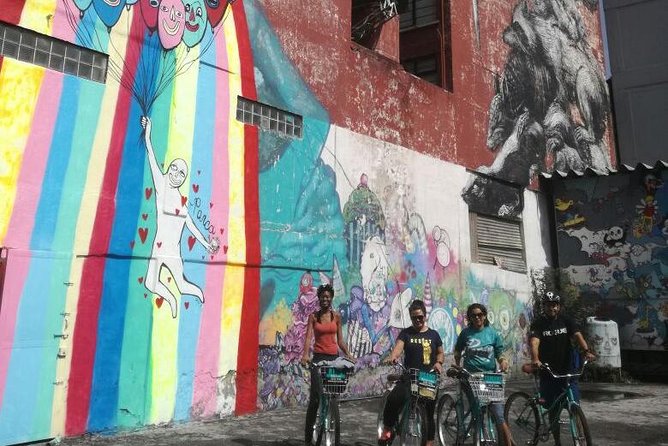
This is not a “ride at your own risk” kind of bike tour. It’s organized like a group ride. The max group size is 10, and many departures include extra help so you’re not just “following the leader.”
In particular, I like the way the team is described as managing movement in traffic. People mention multiple assistants, and in some cases a dedicated person who handles the hard parts of crossings. That matters a lot in Mexico City, where intersections are lively and drivers move with confidence.
What you can expect in practice:
- You ride slow and controlled, with frequent regrouping.
- You cross in a managed way, so you do not feel like you’re trying to guess traffic rhythm alone.
- Stops are paced so the group can take photos and listen without turning the tour into a sprint.
If you’re nervous about biking in a city, this kind of support is a big reason the reviews are so positive. It also helps families and first-timers feel comfortable, since the focus is not “show off your biking skills.”
Route Options: North vs South and How to Choose
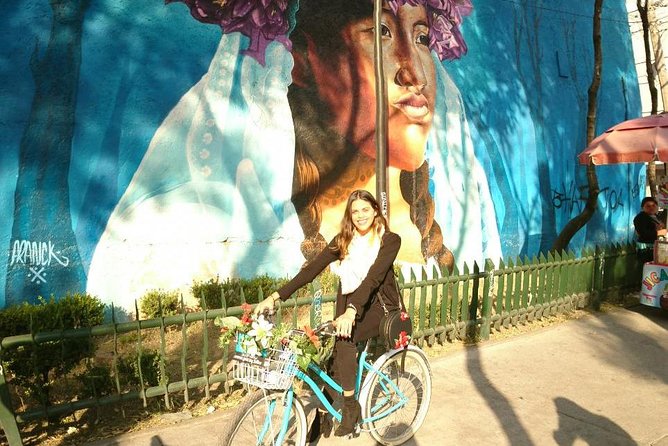
You get two routes to choose from, a north or a south option. While both cover street art and neighborhood murals, each route can shift the balance.
One guide style that came up in feedback: a north option that leans more toward history of Mexico City alongside the art. If you love backstory and want to understand why certain murals appear where they do, that direction can feel more satisfying.
What I recommend:
- Pick north if you want more historical context woven into the ride.
- Pick south if you want a more mural-heavy mood and a route that still feels local but more focused on what you’re seeing along the way.
Either way, you’ll hit core street art zones tied to specific neighborhoods and wall styles. The real win is that both routes keep you away from only the headline sights.
More Mexico City options side by side
- Frida Kahlo VIP [Museum Tickets Included] Bike, Markets & Churros
★ 5.0 · 1,072 reviews - Mexico bike tour
★ 5.0 · 407 reviews - Mexico City E-Bike Tour with a taco and churros stop
★ 5.0 · 292 reviews - Mexico City Highlights E-Bike Tour With Foodie Stops
★ 5.0 · 226 reviews
Stop in Colonia Guerrero and Lagunilla, Where Street Art Feels Everyday
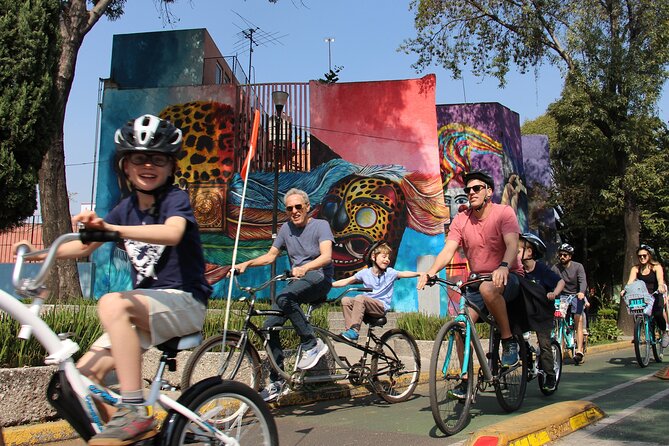
The tour starts by heading toward Colonia Guerrero and Lagunilla, and into the non-tourist center. This is where the city feels less like an open-air museum and more like a place where people live. Murals here feel plugged into storefronts, walls, and the general street fabric.
This early ride segment sets the tone. You’re not trying to “collect” murals. You’re learning how street art shifts depending on the neighborhood. That’s also a good moment to get your bearings, since you’re riding with the group and learning the pacing.
Drawback to be aware of: if you arrive expecting a sequence of only the biggest murals, you might find the early stops more about variety and discovery than size. That’s not wrong, it just changes the expectation.
Obrera and Doctores, Plus the Antique Toy Museum and the 2011 Street Art Festival Link
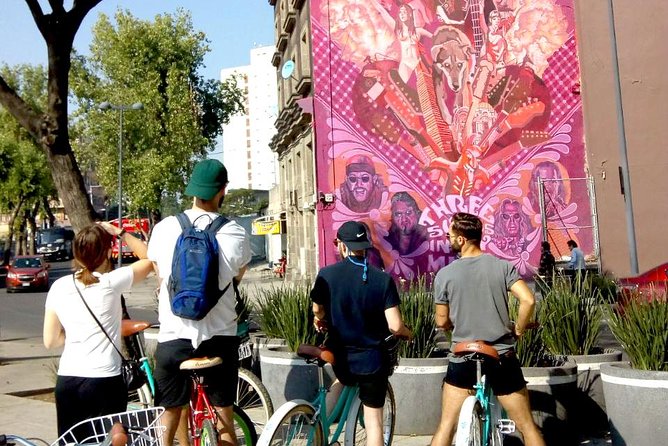
Then the route flows into Obrera and Doctores, where you’ll visit works of local and international artists connected to the Antique Toy Museum. The museum is described as home to the first Street Art Festival in 2011, and the spirit of that festival continues to influence how the community supports new art.
Why this stop is worth your time:
- You get a bridge between street art and community effort, not just a wall with paint.
- The toy theme gives the stop a different vibe, which helps you remember it later.
- It connects murals to an actual event history, so you understand the “why now” behind style and placement.
If you like learning about how cultural scenes start and keep going, this is a highlight. Even if you’re not a museum person, the context is useful because it changes how you read the mural walls you see afterward.
Pushkin Garden Break and Rome Chic, a Smart Pause Built Into the Tour
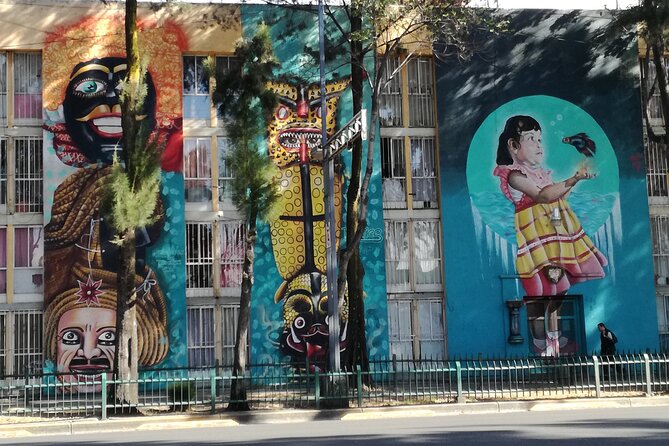
To make the ride easier on the body and the schedule, there’s a break in Pushkin Garden, where you’ll get to know Rome Chic. This is the tour’s “reset” moment.
In practice, this pause helps you:
- Keep energy up before you reach the last mural-heavy stretch.
- Catch your breath and review what you just saw, since the group often regroups.
- Transition from listening to art context back into cruising.
This is also where the tour starts to feel like a true neighborhood experience, not just a route with stops. Garden breaks in cities like Mexico City make the tour more human, and less like a checklist.
Juárez and Cuauhtémoc Murals, Alameda Techniques, and the Diego Rivera Mural Area
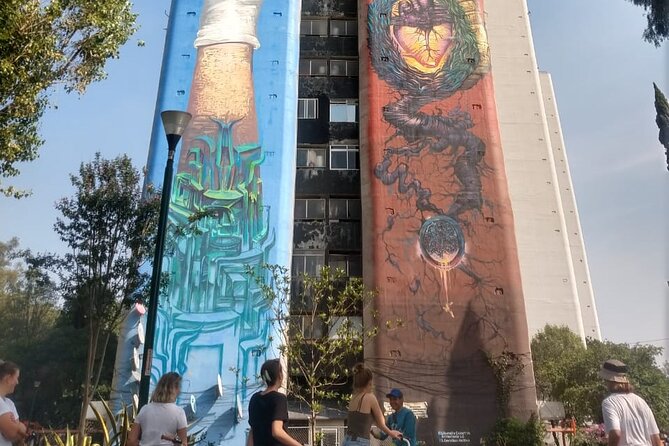
The final stretch crosses into Juárez and Cuauhtémoc. Here you get to admire some of the larger murals painted in various Alameda techniques, and you’ll connect to the wider mural area around the Diego Rivera Mural.
This segment is about scale and feeling. On a bike, the wall size hits differently. You can move alongside it, pause where it makes sense, and take photos that capture the surrounding buildings instead of only a flat front-on shot.
Also, because you ride in segments, you don’t get sensory overload. You see a lot, but it stays organized into “here’s the story, now look here.”
One practical tip: bring your phone storage and charge strategy. You’ll want photos of both the big murals and smaller details. Most people focus on the huge images first, then realize later they also wanted close-ups.
The Food Portion: Snacks Street Food, With Diet Options That Actually Matter
One of the best values in the tour is that it includes street-food snacks. The menu mentions tacos, queskas, tlacoyos, gorditas, chilaquiles, and more. You also get bottled water.
This is not a random “buy food if you’re hungry” situation. It’s built in. That matters in Mexico City, where hunger can steal your attention and energy. You also avoid the common problem of tours that end just as you’re starting to get hungry.
Diet considerations are addressed through options for restrictions, including vegan street food. That’s a big deal if you travel with anyone who doesn’t do standard menus.
If you’re picky about spice, you might want to say so early. Street food can range from mild to punchy, and the tour is set up so guides can help you choose.
Biking Experience: Slow Pace, Real City Ride, and Bike Quality Notes
The riding is described as slow and safe, with support staff helping the group get through traffic. That pacing makes the experience approachable even if you’re not an athletic cyclist.
Still, bike quality can vary. Some bikes in certain runs had issues like weak brakes or gears that shifted randomly. That didn’t ruin the tour for everyone, but it’s a real consideration.
My advice before you roll:
- Do a quick safety check at the start, especially brakes and shifting.
- If something feels off, tell the team immediately.
- Expect city-bike behavior, not the smooth feel of a rental cruiser from a suburban shop.
When you get well-maintained bikes, the ride feels effortless. When bikes are a bit rough, it still usually stays enjoyable because the route pace and crossings are managed.
Guide Style and English: How to Get the Most From the Stories
The tour is offered in English, but some feedback points out that English fluency can vary by guide. Names you’ll see in the feedback include Alberto, Gaby, Ivan, Eduardo, and support staff such as Timón and Beto.
Here’s how to get the most out of the guide, even if the language isn’t perfect:
- Ask for one specific detail per stop, like what symbol matters or what technique the artist used.
- Take time at the mural, then ask the question while you’re looking at the wall. It’s easier for everyone.
- If you’re really into street art, bring a short list of what you want to learn, like why murals show up in certain neighborhoods or how festivals change a scene.
Even with language limits, the best guides still translate context through enthusiasm and clear pointing. That’s part of why the experience rates so high for most people.
Value Check: About $60.56 for 3 Hours That Feed You and Teach You
At $60.56 per person for about 3 hours, the value is about more than the ride. You’re paying for:
- A fitted bike rental
- A local guide
- A small group
- Bottled water
- Street-food snacks with diet options
If you’ve ever tried to piece together bike rental plus a guided route plus food on your own, the math usually doesn’t favor DIY. Here, the guide also handles route planning and safety management, which is the part most travelers can’t replicate quickly.
The price also reflects that the tour is limited to max 10 people, which typically means less waiting and more actual attention at each mural.
One practical reality: if you’re the type who hates schedules, you might find a 3-hour structured route feels like “too much organized time.” But if you like efficient travel, it’s a very good deal.
Who This Tour Fits Best (and Who Might Want Another Option)
This is ideal for you if:
- You want to see Mexico City beyond the top tourist sights.
- You care about street art culture, not just photos.
- You want a safe-feeling bike experience with a team handling crossings.
- You want food included, with options for restrictions.
It may not be ideal if:
- You expect a perfectly maintained bike every time with no checks needed.
- You need a guide with fluent English every single day, because guide styles can vary.
- You have a very tight next appointment, since some departures can run late if a participant delays the group.
Practical Tips Before You Book
Here are the things I’d do to make this smooth:
- Aim to arrive early enough to confirm the exact starting spot, since the meeting point is a specific address in Centro.
- Wear comfortable clothes and closed-toe shoes for biking.
- Bring a phone charger plan, since murals invite photos.
- Tell the team about any dietary needs upfront, so you get the right snack options.
Also, you’ll get a mobile ticket, and you should receive confirmation at booking time. That reduces the usual “Where do I go?” stress.
Should You Book This Street Art Bike Tour?
If your goal is street art plus neighborhood context, this is an easy yes. The combination of small-group size, managed safety, and included street food makes it feel like a complete outing, not just a ride. The tour also gives you two route options, north or south, which is a nice way to match your interests.
My one caution is bike condition can vary. If you’re the type who gets annoyed by minor mechanical issues, do a quick check at the start and speak up early. If you’re flexible and you care more about the art and stories than the bike itself, you’ll likely have a great time.
Overall, this tour is a smart way to see a side of Mexico City that most people only catch glimpses of while rushing through the center.
More Street Art in Mexico City
- Mexico City: Art Naco, murals & street art bike tour
★ 4.7 · 166 reviews - Street Art Bike Ride
★ 5.0 · 125 reviews
New reviews in from Mexico City
- Private Tour: Secret Food Tours Mexico City★ 5.0 · 126 reviews
- Mexico City Private & Personalized Half-Day Tour with a Local★ 5.0 · 126 reviews
- Hop-on Hop-off or Night Tour Tourist Bus in Mexico City★ 3.0 · 127 reviews
- Mexico City Layover Tour: Downtown City Sightseeing★ 5.0 · 129 reviews
- Tour to Teotihuacan with visit to ancient caves and CDMX transportation★ 5.0 · 130 reviews
- PRIVATE Tour Chapultepec Castle★ 5.0 · 130 reviews
- Frida Kahlo’s House, Coyoacan and Xochimilco – All Day Tour★ 4.5 · 132 reviews
- Mexican Cooking Class & Cocktails in Mexico City★ 5.0 · 134 reviews
Cycling Tours, compared.

Electric Bike Beach Adventure with Tequila Tasting and Lunch
Read our review →![Frida Kahlo VIP [Museum Tickets Included] Bike, Markets & Churros](https://pic3.themexicoexplorer.com/wp-content/uploads/frida-kahlo-vip-museum-tickets-included-bike-markets-churros-400x267.jpg)
Frida Kahlo VIP [Museum Tickets Included] Bike, Markets & Churros
Read our review →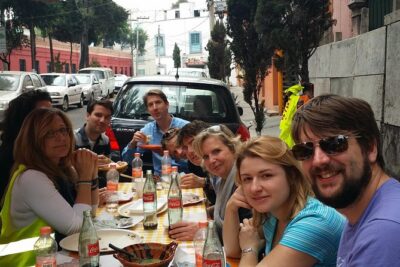

UTV, Free Horseback Ride, and Sky Bike Adventure Combo
Read our review →
Mexico City E-Bike Tour with a taco and churros stop
Read our review →
Beach ATV Adventure, Free Horseback Ride, and Sky Bike Experience
Read our review →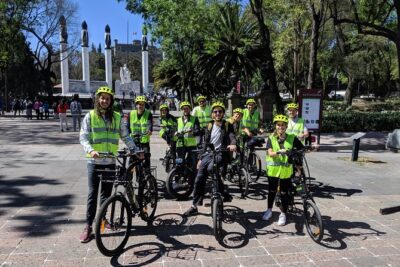
Mexico City Highlights E-Bike Tour With Foodie Stops
Read our review →
Browse the lists this tour appears in