

Reviewed · OAXACA TOURS
Oaxaca: San Martín Tilcajete, Jalieza & Ocotlán Crafts Route
Oaxaca craft towns are interesting because you see the making, not just the finished souvenirs. I like the stop-to-stop mix of wood carving, weaving, and pottery, and I like how each place explains the meaning behind the craft. One thing to consider: the pace is tight, and if you get motion sickness on winding roads, you’ll want to plan for that.
You’re also not locked into a single shop stop. You’ll spend real time in workshops, then get market time (with which market you hit depending on the day). Expect a guided day that’s more culture lab than slow scenic tour, and pack comfortable shoes and water.
Key highlights worth planning for
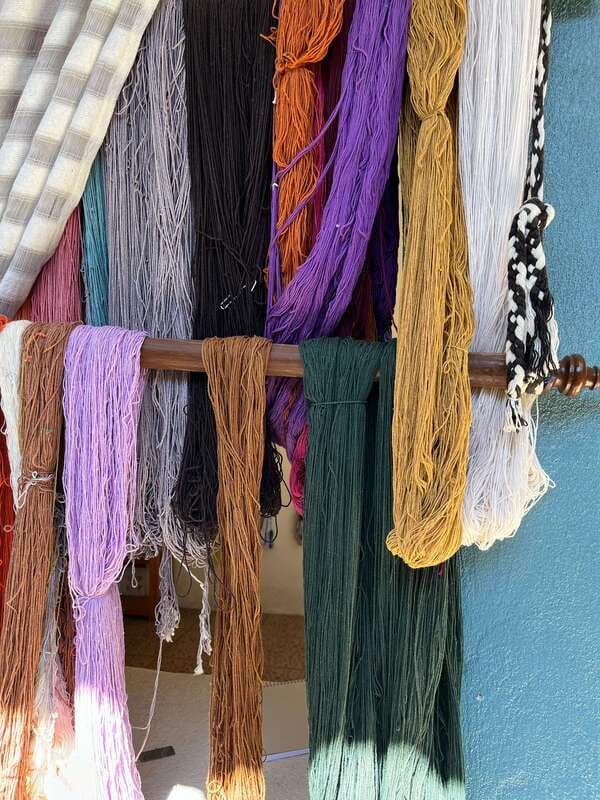
- Alebrijes from copal wood: watch carving and hand-painting, with symbolism explained.
- Backstrap weaving in Jalieza: see the loom work and geometric Zapotec patterns take shape.
- Black clay pottery in Coyotepec: learn how artisans shape and polish the clay for that signature deep black shine.
- Market time that feels local: Ocotlán is especially lively on Fridays, and Villa de Zaachila is for Thursdays only.
- A guide-led day built around process: workshops first, buying last, and you’re not forced into anything.
Why this Oaxaca crafts route beats a standard shopping day
This kind of Oaxaca tour works because it answers the question you probably have in your head when you see craft stands: how do they do that, and why does it look that way?
Instead of bouncing from one sales display to the next, you jump between craft towns where the work is the main event. You’ll watch hands at work in places known for specific techniques. And you’ll hear enough context to understand what you’re buying, even if you only want one or two pieces.
The route also keeps your day from turning into museum mode. Markets show up at the midpoint and again with an alternate Thursday option, so you get both the studio side and the everyday Oaxaca side in the same 8 hours.
The only real catch is that this is a compact itinerary. That’s great for getting a lot done, but it can feel rushed if you want long hangs in each workshop or you’re sensitive to vehicle motion on narrow roads.
More days out of Oaxaca:
- Oaxaca de Juarez: Monte Alban Half-Day Tour
★ 4.7 · 492 reviews - Oaxaca: Tule, Mitla & Hierve el Agua, & Mezcal Tour
★ 4.7 · 456 reviews - Oaxaca: Monte Alban Guided Archaeological Tour
★ 4.2 · 419 reviews
The half-day rhythm: van rides, workshop time, and how to pace yourself
Plan for a structured day that moves by van from town to town. You start at 5 de Mayo 300, then you’re on the road in between each craft stop. The total duration is 8 hours, with short travel gaps and about an hour at each main workshop or visit.
That timing matters because it shapes what you can do well:
- If you’re the type who likes to ask questions and compare processes, aim to focus your questions early in each workshop so you don’t feel behind later.
- If you love shopping, set a tiny rule for yourself: pick what you want from each town before you enter any gallery area. That helps you avoid wandering when you’re tired.
You’ll also want to start with breakfast, since food isn’t included. Bring water and wear shoes you can stand in for an hour at a time.
San Martín Tilcajete: alebrijes made from copal wood (and why the details matter)
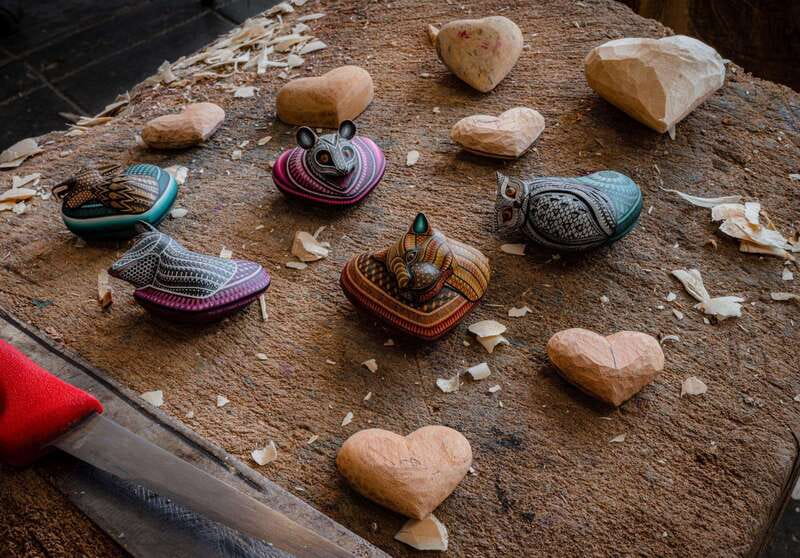
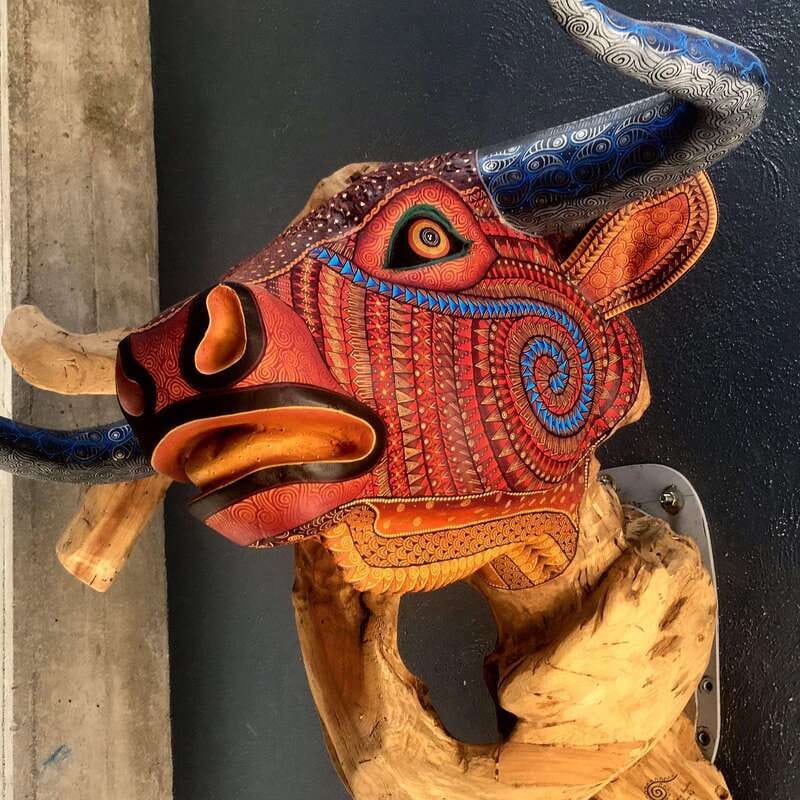
San Martín Tilcajete is where the day turns colorful fast. This is the village tied to alebrijes, the whimsical creatures you probably associate with Oaxaca markets. Here, artisans work in copal wood, shaping figures by hand and then painting them by hand.
What I like about this stop is that it’s not just a demo of artistic skill. You get the bigger idea: each creature carries meaning, and the patterns and colors are not random. When you understand that, you stop thinking of the piece as a toy and start seeing it as a story you can take home.
In practice, expect:
- time to watch carving and painting processes
- explanations of symbolism and technique
- a chance to look closely at finished pieces, usually in a space where you can compare sizes and styles
What to watch for: alebrijes range from small and simple to highly detailed. If you only want one item, pick the creature that has the details you actually enjoy looking at, not the one that’s easiest to carry.
Santo Tomás Jalieza: backstrap weaving, patience, and Zapotec geometry
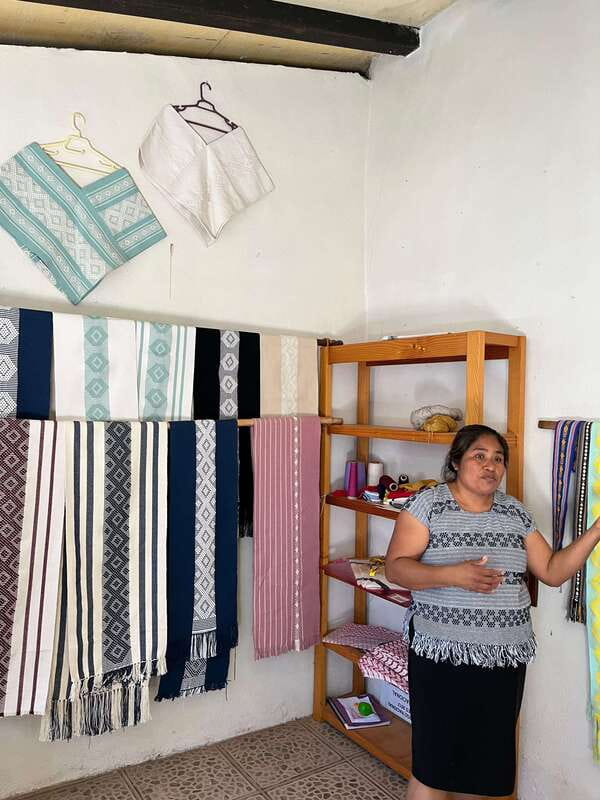
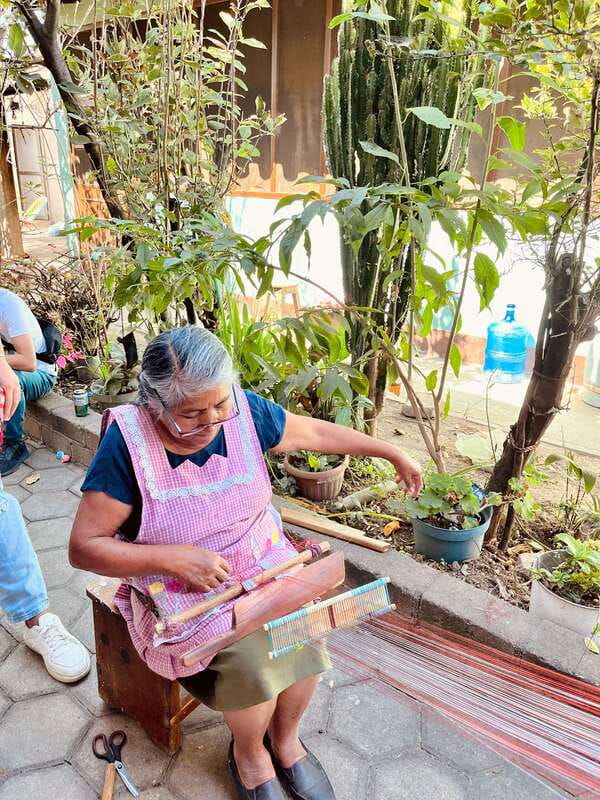
Next comes Santo Tomás Jalieza, and this stop feels different right away. Instead of carving and paint, you’re watching backstrap weaving, a technique passed down through generations.
This is the place where the “how” matters more than the “wow.” Backstrap looms take time, and the designs are built from the loom’s structure plus careful work. You’ll see geometric patterns tied to Zapotec heritage, and that makes the textiles feel both artistic and engineered.
Why this stop is so valuable: you get to see craftsmanship as a process you can understand. Even if you can’t predict the exact pattern, you can recognize steps and effort. That changes how you shop for textiles later, because you start noticing materials, weave tightness, and pattern clarity instead of only color.
Practical note: you’ll likely be standing for most of the demonstration. Good shoes pay off here.
Something else to do with a Oaxaca De Juarez day:
- Check out Hierve el Agua, Mitla, the Tule Tree, Rugs, and a Mezcal Distillery Tour
★ 4.9 · 222 reviews - From Oaxaca: Monte Alban, Alebrijes & Black Clay Day Trip
★ 4.6 · 217 reviews - Oaxaca: Food and Markets Tour
★ 4.9 · 170 reviews - From Oaxaca: Hierve el Agua and Teotitlán del Valle
★ 4.3 · 162 reviews
Ocotlán de Morelos market time, especially lively on Fridays
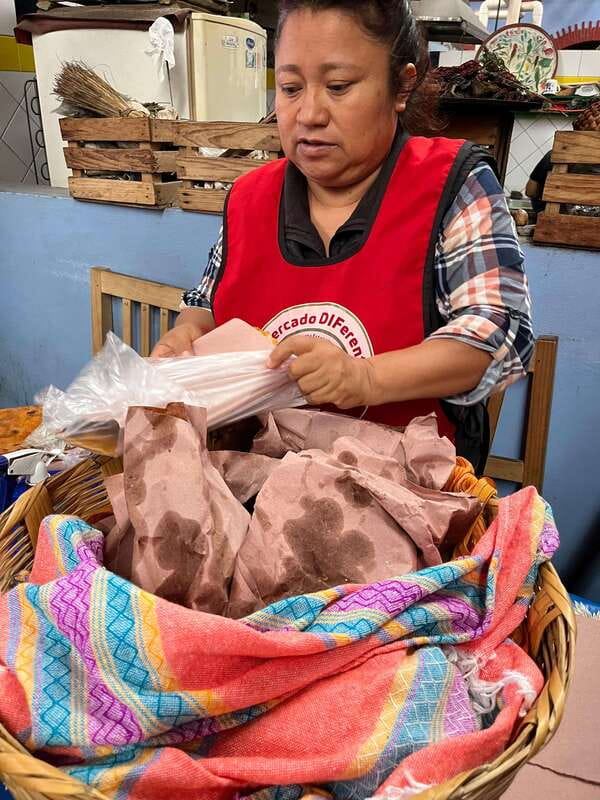
Ocotlán de Morelos is the day’s “real life” stop. The market is where you see people shopping, eating, and trading in the middle of ordinary town rhythms. It’s also one of the places that can feel most inspiring because it’s not built around tourists.
You’ll spend about an hour here. During that time you can look for:
- local crafts and handmade goods
- fresh produce and regional specialties
- household items and everyday textiles
If you do this on a Friday, Ocotlán is especially lively, and that tends to make your hour feel fuller. One helpful trick: don’t try to cover everything. Pick a focus, like textiles or pottery styles, and scan with intent.
Also, plan for the fact that markets can move fast once the most active hours hit. If you’re someone who gets overwhelmed, slow down and take a breath before you commit to buying.
Villa de Zaachila market on Thursdays, plus time to eat
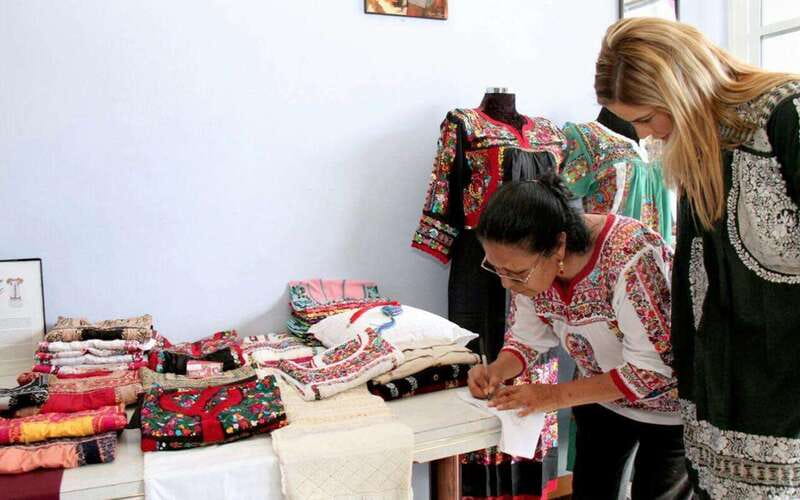
There’s a Thursday-only option for Villa de Zaachila. If your day lines up, this is a smart swap because you get an additional local-market feel without turning the trip into pure crafts hunting.
This market is described as where locals buy and sell daily items like:
- fresh produce, handmade tortillas, and regional cheeses
- flowers, spices, and textiles
- traditional food
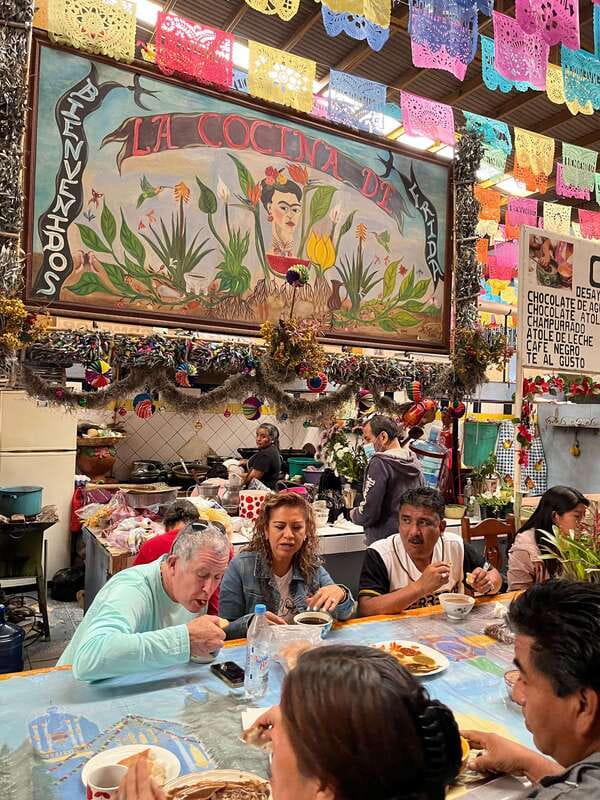
You’ll also have a lunch break time window. Here’s the key point for your budget: food and drinks are not included in the tour price, so treat lunch as your own expense. The upside is you can choose what looks good and fits your cravings that day.
If you hate making decisions on an empty stomach, use breakfast and keep some cash or a card handy for the market lunch.
San Bartolo Coyotepec: black clay pottery with natural shine
San Bartolo Coyotepec is the stop many people fixate on, and for good reason. This is the famed home of black clay pottery.
Here, artisans shape and polish clay using ancestral Zapotec techniques that create the distinctive deep black color and natural shine. Watching that process makes the end result feel earned. The color isn’t just paint or glaze you slap on later. It’s part of how the work is made.
What you’ll notice while you’re there:
- the hands-on shaping and refinement stages
- the careful attention to polishing for that signature surface
- the way artisans explain what makes the finish special
If you’re going to buy pottery on this route, this is where you should slow down. Compare pieces in terms of shape, shine, and how clean the edges look. Because the technique is the point, a small difference in finishing can reflect real labor time.
How the guide keeps this from feeling like a rushed circuit
A good craft guide is the difference between seeing objects and understanding work. This tour includes a certified bilingual guide and comfortable transportation, with drop-off at your hotel or Airbnb.
When the guiding is strong, you get:
- clear explanations of each technique and what it represents
- the ability to ask questions without feeling cut off
- help timing market moments so you don’t miss the good parts
One name that came up in feedback is Miguel. Some people loved his craft explanations, while others felt the later market portion moved too quickly. So here’s my advice: if your guide speaks fast or you start losing details, interrupt politely. Ask the question you came with, then move on.
Also, remember that you’re paying for an organized day. If you don’t know what to ask, start simple:
- What makes this style specific to this town?
- How long does it take to make a piece like this?
- What parts are handmade vs. repeated steps?
Price and value: why $46 can work, and when it might not
For $46 per person over 8 hours, this is generally good value if you care about process and craft towns. You’re paying for:
- guide time in English and Spanish
- transport between towns
- workshop visits in multiple communities
- hotel or Airbnb drop-off
Food and drinks are not included, and extra purchases are, of course, up to you. But craft tours are often a budgeting test, because once you see artisans at work, it’s hard not to buy something.
Here’s how to keep the day good value for yourself:
- Decide your “one or two items” goal before you enter the workshop areas.
- Set a spending ceiling per town. Alebrijes, textiles, and pottery can all tempt you.
- Bring water so you’re not forced to buy drinks when you’re tired.
If you only want to shop for souvenirs with no interest in craft techniques, you may feel the time is too structured. But if you want to understand what you’re looking at, the multi-town mix justifies the price.
Practical tips so the day stays fun (not exhausting)
This tour is pretty friendly, but a few real-world issues matter.
If you get motion sickness
Roads around Oaxaca can be winding. If you’re even slightly sensitive, bring what helps you usually, and sit where you can feel the least movement. One person had to cut the tour short due to extreme motion sickness, so don’t ignore your instincts.
If you hate hard sell shopping
The tour format is built around workshops and then a chance to look at pieces. Some guides are good about letting you browse without pressure. Still, if you feel rushed into a store gallery, focus on one item and ask for a quick explanation. Then step back and regroup.
What to wear and pack
Bring:
- comfortable shoes
- comfortable clothes
- drinks
And do breakfast first. You’ll stand and walk more than you might expect.
Who this crafts route suits best
This is a great match if you:
- like craft process and want to connect objects to technique
- enjoy hands-on demonstrations, not just shopping stops
- want one day that covers multiple craft traditions in Oaxaca
It’s also a decent choice for first-timers to the region who want structure without booking several separate day trips.
It may not be ideal if you:
- want a slow, scenic day with lots of free time
- are very sensitive to vehicle motion
- expect meals to be included (lunch time exists, but food and drinks are not covered)
Should you book the San Martín Tilcajete, Jalieza & Ocotlán Crafts Route?
I’d book it if you want a craft-focused day that actually shows you how work is made: alebrijes in copal wood, backstrap weaving, and black clay pottery. The added market time is where the day feels like Oaxaca, not just a studio tour.
Hold off if you’re looking for a relaxed pace, meals included, or if motion sickness is a known issue for you. In that case, consider shorter options or travel with extra support for your comfort.
If you do book, go in with a plan: pick one item you genuinely want from each type of craft, ask at least one technique question in every workshop, and keep your lunch budget ready. You’ll leave with more than souvenirs, you’ll leave with stories you can explain.
FAQ
How long is the Oaxaca Crafts Route?
The experience lasts 8 hours.
What’s included in the price?
You get a certified bilingual guide, comfortable transportation, and drop-off at your hotel or Airbnb.
Are meals included?
No. Food and drinks are not included, even though there is lunch time during the day.
Which markets do you visit, and does it depend on the day?
Ocotlán de Morelos is visited, and it is especially lively on Fridays. Villa de Zaachila market is visited on Thursdays only.
What should I bring for the tour?
Bring comfortable shoes, drinks, and comfortable clothes. It is also recommended to have breakfast before you go.
What languages are available?
The live guide offers Spanish and English.
New reviews in from Oaxaca De Juarez
- The Mezcal Journey★ 4.9 · 78 reviews
- Oaxaca: Full Day Guided Tour on the Hierve el Agua Route★ 4.7 · 79 reviews
- Oaxaca: Legends Tour Mezcalbús★ 3.9 · 34 reviews
- Oaxaca: Mezcal Adventure★ 4.5 · 44 reviews
- Oaxaca: Monte Alban and the Art of Oaxaca★ 4.2 · 99 reviews
- Oaxaca: Monte Alban Guided Archaeological Tour★ 4.2 · 419 reviews
- Oaxaca: Monte Albán, Hierve el agua, Mezcal and Teotitlán★ 4.9 · 48 reviews
- Oaxaca: Oaxacan Mole Workshop with a Traditional Cook★ 4.7 · 158 reviews
Oaxaca Tours, compared.

Hierve el Agua, Tule Tree, Mitla and Mezcal Distillery Tour
Read our review →
Explore Hierve el Agua, Mitla, Tule, Textile and Mezcal for a day
Read our review →
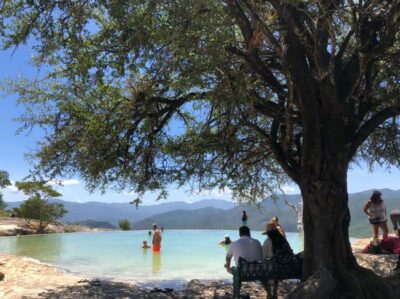
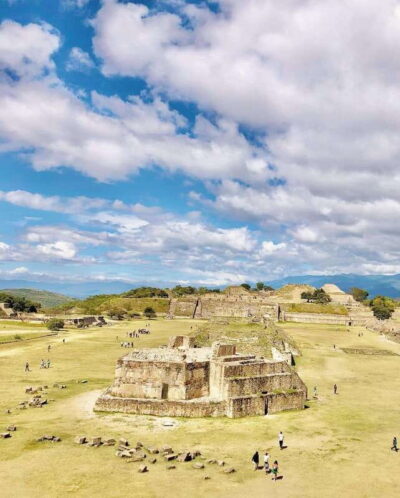
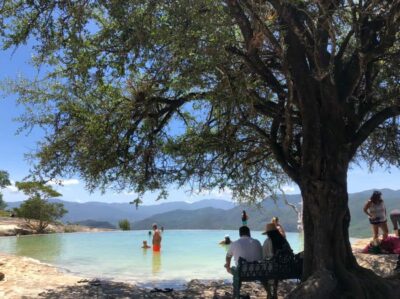
Hierve el Agua, Mitla, El Tule Tree, Rugs, Mezcal Distillery Tour
Read our review →
AUTHENTIC OAXACA CULTURAL FOOD TOUR, eat like a local.
Read our review →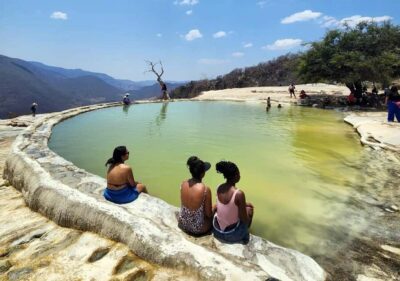
Browse the lists this tour appears in