
Reviewed · DESSERT TOURS
Puerto Vallarta: Bean to Bar Chocolate Workshop
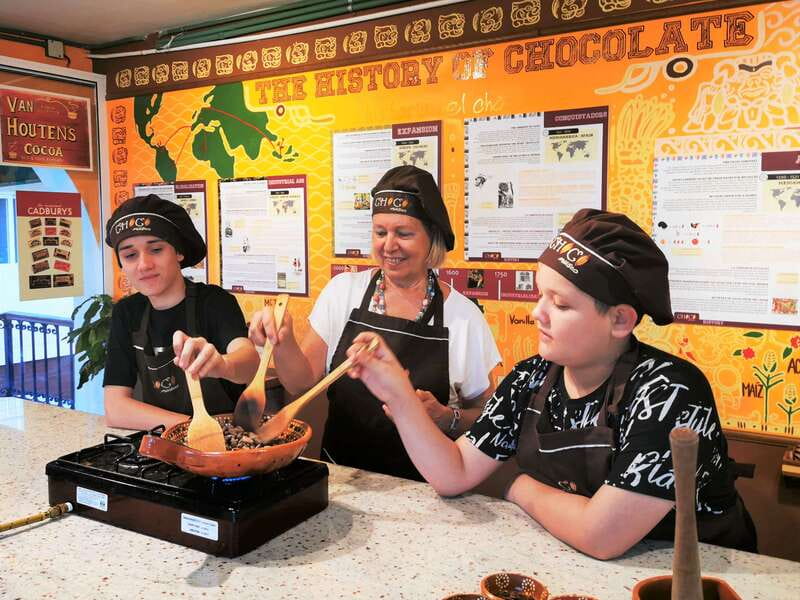
A bean to bar chocolate workshop in Puerto Vallarta is interesting because you do not just taste chocolate, you watch cacao turn into the real thing and then make your own batch. I love the roasting and grinding part. I also love that you prepare three traditional chocolate drinks while you learn what makes each one taste the way it does. One consideration: the whole session is fast paced, so if you need a lot of sitting time, plan for mostly standing and moving for the 2 hours.
At ChocoMuseo Puerto Vallarta, you’re guided by English-speaking instructors such as Zoar and Rodrigo, and the group stays small at up to 8 people, meaning you get more hands on help than you would in a big tour. Wear comfortable shoes, because you will be up close to the process and working at stations.
Key things to know before you go
- Hands-on cacao processing: you roast and grind cocoa beans, not just watch it happen
- Three traditional chocolate drinks: you make them during the workshop, not after
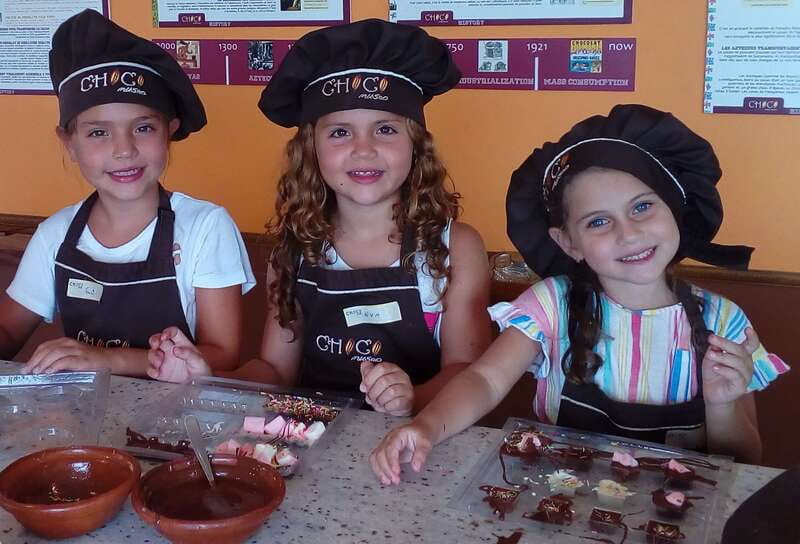
- Your chocolate is real and take-home: you create your own molded chocolates to bring with you
- Personal customization: you add ingredients and toppings to make your batch your own
- Small group of up to 8: easier questions, more attention from the instructor
- Dietary-friendly by request: it can be vegan, vegetarian, gluten-free, and lactose-free
Bean to bar in Puerto Vallarta, where cacao becomes chocolate you keep
If you like food tours that actually teach you something, this workshop hits a sweet spot. The setting is a chocolate museum, but the focus is practical. You learn the history of cacao and chocolate, then you move into the part that makes your senses wake up: roasting and grinding cacao beans, followed by turning chocolate into drinks and molded sweets you take home.
What I find valuable is that the experience connects the dots. Chocolate can feel like a finished product you buy. Here, you get the story and the steps, so the next bar you taste in town makes more sense. Even better, you leave with chocolate in your bag, which is rare for a museum-style activity.
The price is $62 per person for a 2 hour session, and the included items matter. You are paying for guided instruction plus the ingredients, tools, and toppings to make a set of chocolates, along with the apron and hat for the workshop. You also get three traditional chocolate drinks. So while you might still spend money on extra snacks before or after, you are not paying for the core experience again on site.
More Puerto Vallarta options side by side
- Puerto Vallarta Cooking Class Experience with Market Tour
★ 5.0 · 698 reviews - Bean to Bar Chocolate Workshop in Puerto Vallarta
★ 5.0 · 381 reviews - Surf lessons in Puerto Vallarta and Nayarit
★ 5.0 · 137 reviews
Inside ChocoMuseo Puerto Vallarta: your guided cacao museum tour
The workshop starts like a good museum visit, with context. You go on a guided tour inside the chocolate museum, where your instructor walks you through the history of cacao and how chocolate became what we know today. This is not just trivia. It helps you understand why cacao preparation matters. Flavor and texture do not show up by magic, they come from processing choices.
You’ll also learn how cacao fits into older civilizations and how chocolate culture spread over time. The workshop is designed for mixed ages, which is why the guide style often stays playful and interactive. In practice, that means you get chances to ask questions and you are not just stuck listening while you wait for a pour.
Even if you do not consider yourself a chocolate expert, you’ll likely enjoy this part because it is built to make the rest of the workshop easier. When you know why beans get roasted and what grinding does, the hands-on station stops being random and starts being a process you can follow.
One more detail I appreciate: the instructor is English speaking. That sounds basic, but in Mexico it makes a huge difference. You’ll understand what you are doing while your hands are busy, and you won’t have to guess at why one step changes the taste.
Roasting and grinding cocoa beans: the smell part is real
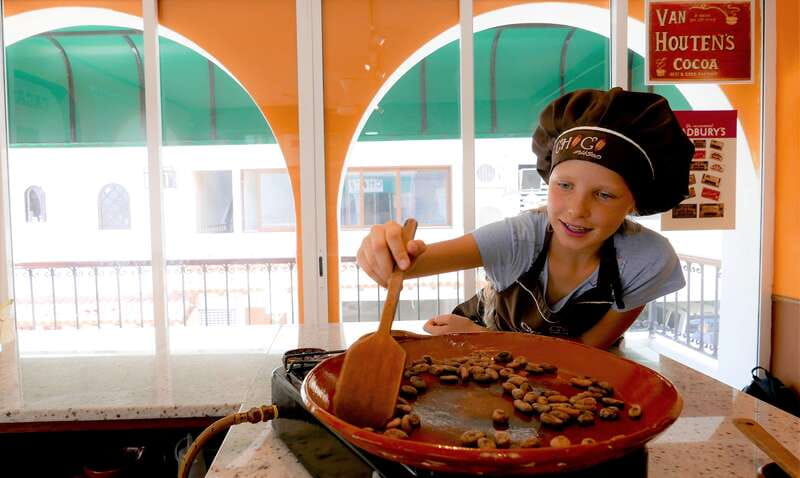
The signature moment is the cacao processing. You get to roast and grind cocoa beans as part of the workshop. This is the section where the experience shifts from information to something you can literally smell.
Roasting matters because it develops aroma. Grinding matters because it changes texture and helps chocolate become workable for drinks and molding. When you do it yourself, you stop thinking of chocolate as a generic brown product and start seeing it as transformed ingredients.
You do not need special skills to participate. The workshop format is set up for a small group and a guided flow. That also helps if you have never handled cacao beans before. You’re not thrown into a craft project alone, an expert is coaching you step by step.
If you are a visual learner, this is also a good fit. It’s hard to forget the moment you watch beans shift from raw to roasted, because the room aroma changes. And if you are traveling with kids, this is often the part that keeps them engaged, since it is hands on and sensory.
Three traditional chocolate drinks: flavor lessons, not just tasting
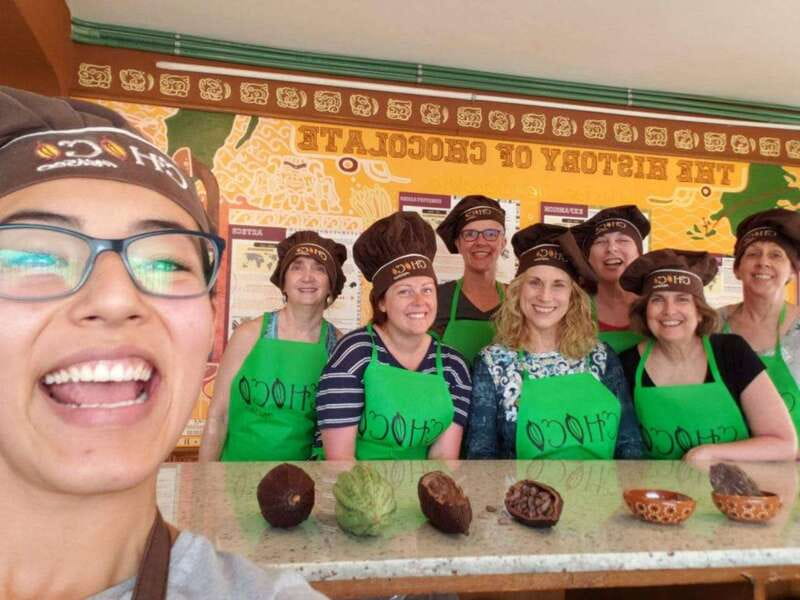
After cacao processing, you prepare three traditional chocolate drinks. This is a huge value add, because it turns chocolate from a single flavor experience into a set of drinks with different roles in the culture.
The workshop includes the 3 drinks you make, and you also taste them as part of the process. You will learn how traditional preparation differs from modern chocolate bars. Some drinks can include ingredients that affect texture, thickness, and mouthfeel, which is why the workshop helps you understand what to expect before you judge it.
One drink in particular may be an acquired taste depending on your palate. Some people love it right away, others find the texture unusual at first. If you’re the type who likes trying regional food even when it takes your taste buds a minute to adjust, you’ll probably have fun here. If you prefer very familiar flavors, you might still enjoy the learning, but you may want to approach texture differences with an open mind.
You can also look at this drink section as a shortcut for future ordering in Puerto Vallarta. Once you know what makes one drink smooth or thick, or why an ingredient changes how it feels in your mouth, you will order with more confidence later.
Something else to do with a Puerto Vallarta day:
- Puerto Vallarta Best Zipline Canopy + Tequila and Speed Boat Ride
★ 5.0 · 3,786 reviews - Winner 2025 Downtown Vallarta Food Tour with Vallarta Food Tours
★ 5.0 · 3,738 reviews - Extreme Adventure, Wildest Bridge, ATV & Ziplines
★ 5.0 · 3,179 reviews - Mega Yacht ALL INCLUSIVE Yelapa Waterfall & Snorkeling Adventure
★ 5.0 · 2,515 reviews
Make your own chocolates to take home: toppings and molds
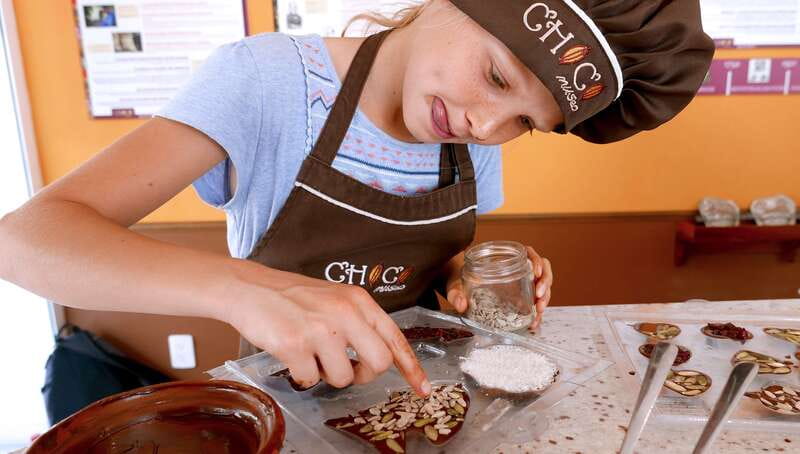
The workshop does not end with tasting. You make your own chocolate to take with you. That means you get to participate in the final transformation from processed cacao into molded sweets.
You will use provided ingredients, material, and toppings to create your chocolates. A big part of the fun is customization. You can add mix-ins and toppings so your batch reflects your own taste. This is not just stamping out identical candy. You get to choose your direction and then watch your choices become a physical product.
Depending on the workshop setup, you may have a choice between dark or milk chocolate. That small option matters because it lets people tailor the experience. If you want more intense flavor, dark is often the move. If you want something gentler, milk fits better.
One practical benefit of taking chocolates home: it gives you a real souvenir. You’re not carrying a postcard or a tiny bar you will forget in a day. You get something you made with your own hands, and you can share it. It also means you can plan around it. Bring a small bag, and plan to refrigerate or store it as needed once you’re back at your place.
And yes, it is also just satisfying. There is a particular kind of happiness that comes from watching your mold fill, setting, and then having something you can actually show for the 2 hours.
Price, timing, and group size at $62 for 2 hours
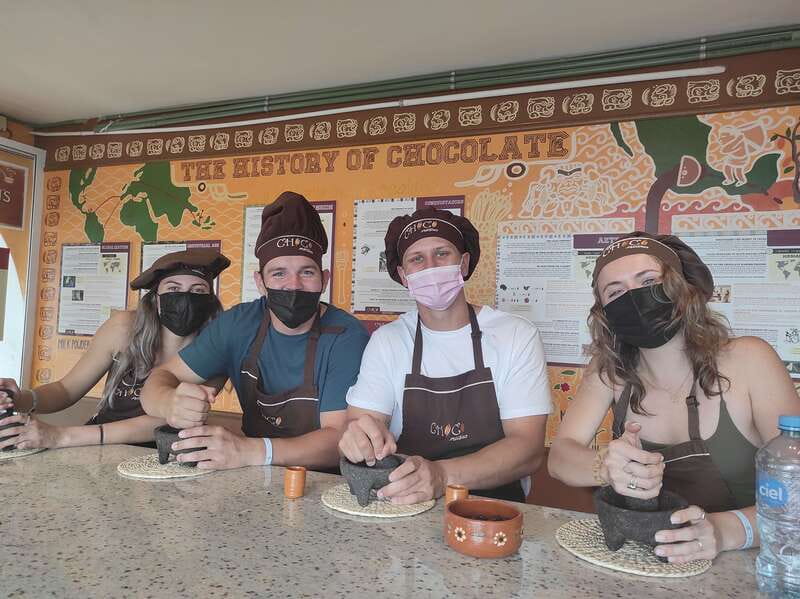
At $62 per person for 2 hours, this workshop prices like an experience with real materials and instruction built in. You are not paying only for a guided talk. You’re paying for the ingredients, the tools, the drinks you prepare, and the chocolate you produce.
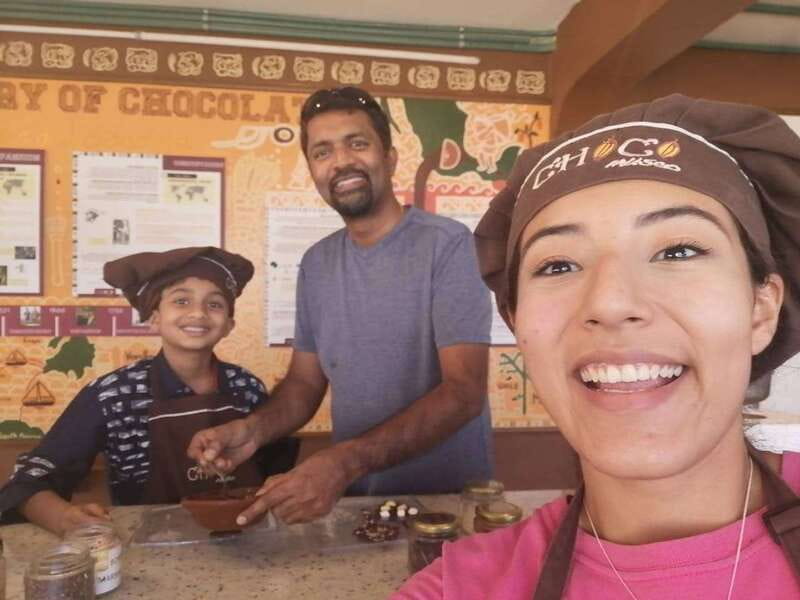
Group size is limited to 8 participants, which is a big reason it works. With fewer people, the instructor can help sooner when someone gets stuck. It also keeps the energy up. The workshop can handle mixed ages, including groups that span from kids around age 10 up to adults in their 70s, as long as everyone can follow simple steps and listen when the guide explains safety and timing.
Timing is tight. Since the workshop is only 2 hours, it moves from museum tour to hands-on stations to drinks to molding. That is not a bad thing, but it means you should arrive on time at the meeting point. If you’re even a few minutes late, you may miss part of the explanation that connects later steps.
Transportation is not included. So you’ll want to factor in getting to the museum and back, especially if you are staying farther from the action in Puerto Vallarta. If you’re using rideshare, I’d plan a little extra time for pickup.
Dietary options and who this workshop suits best
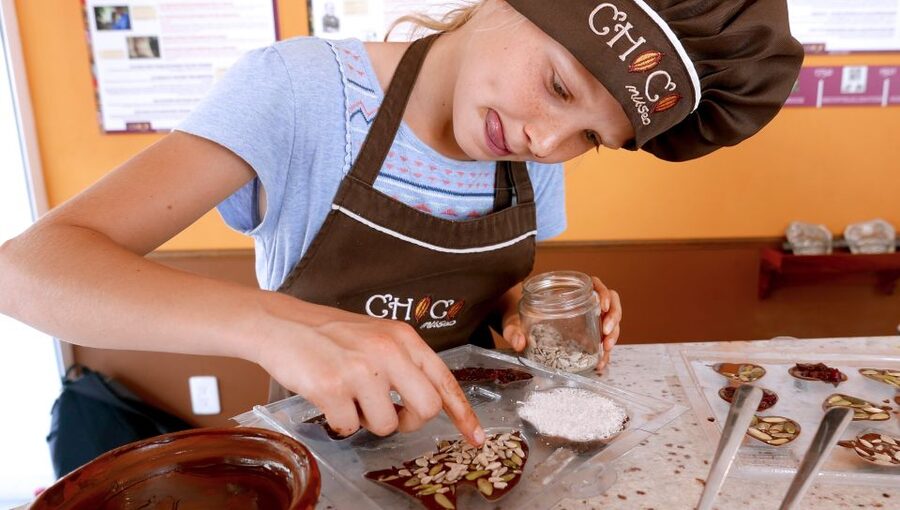
Good news for many diets: the workshop can be vegan, vegetarian, gluten-free, and lactose-free. You are still making chocolate and drinks, so it’s worth telling the provider your needs ahead of time. That way they can prepare the right ingredients for your batch.
You do not need to be a serious foodie to enjoy it. If you like learning while doing, this is a great fit. If you enjoy food history, it also delivers, because you get both the background on cacao and the practical explanation of processing.
It’s also a nice choice for families with older kids who can handle instructions and stay engaged. The activities are hands on, and the guide interaction tends to keep energy up. For younger children who cannot follow directions well, you might find it harder to enjoy the process, even if they technically participate.
One important note: it is not suitable for wheelchair users. The workshop involves working in stations and moving around, so plan accordingly.
Quick practical tips for your visit
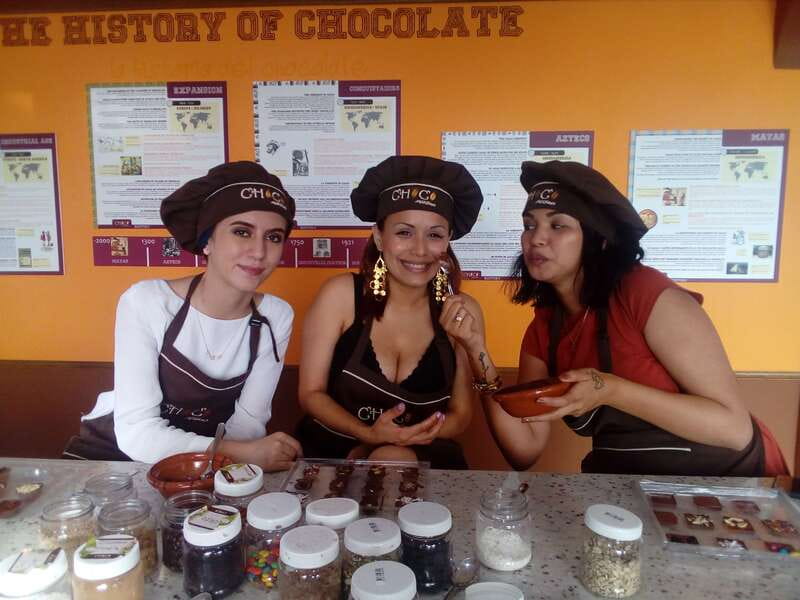
Bring comfortable shoes and comfortable clothes. Even though it is only 2 hours, you will likely stand and move between stations.
Also, expect to wear the apron and hat provided for the duration of the workshop. So you can dress like you’re going to a casual activity, not like you’re going somewhere formal.
A couple of smart mindset tips help too:
- Treat the drinks as part of the learning. If texture is different from what you expect, that is part of the lesson, not a mistake.
- Take your time customizing toppings. It is easy to rush, but the whole point of making your chocolates is choosing what you like.
Finally, since the workshop is in English, it’s worth using that time. Ask questions. The best moments are often when the guide connects your question to what you are doing at the station.
Should you book the Puerto Vallarta bean to bar chocolate workshop?
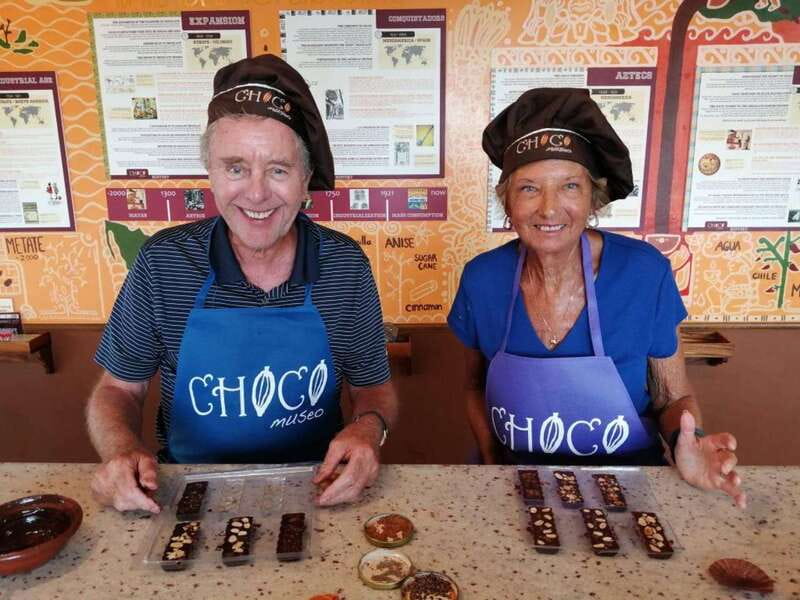
I think you should book this workshop if you want more than a chocolate tasting. You’ll roast and grind cacao, make three traditional chocolate drinks, and create molded chocolates you take home. The small group size, English instruction, and hands-on structure make it feel personal, even though the museum setting is educational.
You might skip it if you want a low standing and minimal participation experience, since the process is active and station based. You should also skip if wheelchair access is a requirement, since it is not suitable for wheelchair users.
One more practical note for decision making: if you like flexibility, the experience offers free cancellation up to 24 hours in advance and a reserve now, pay later option. That makes it easier to fit into your Puerto Vallarta schedule without stressing over exact timing.
If you are in Puerto Vallarta and you want a fun, authentic activity that turns chocolate from a souvenir into a skill you understand, this is a solid pick.
FAQ
How long is the Puerto Vallarta bean to bar chocolate workshop?
It lasts 2 hours.
What is included in the price?
The price includes a tour guide within the museum, 3 traditional drinks you prepare, the chocolate you make, ingredients and materials plus toppings for making your own chocolates, a cacao and chocolate expert, and an apron and hat for the duration.
Are food or other drinks included?
Food is not included. The workshop does include the 3 traditional chocolate drinks you prepare, but additional food or drinks are not listed as included.
What dietary restrictions can the workshop accommodate?
The activity can be vegan, vegetarian, gluten-free, and lactose-free.
Do I need to bring anything?
Wear comfortable shoes and comfortable clothes.
Is the workshop wheelchair accessible?
No, it is not suitable for wheelchair users.
New reviews in from Puerto Vallarta
- Edenva Ecotourist Park in Puerto Vallarta★ 5.0 · 292 reviews
- ATV OR RZR- Escape to the mountains for 4 hours★ 5.0 · 293 reviews
- Puerto Vallarta Luxury Sailing with Premium Open bar & lunch★ 5.0 · 301 reviews
- Puerto Vallarta Roundtrip Shuttle Airport Transfer★ 4.0 · 306 reviews
- Full-Day Experience in Banderas Bay★ 5.0 · 309 reviews
- Taste of Pitillal Food Tour by Vallarta Food Tours★ 5.0 · 315 reviews
- Puerto Vallarta, Original Canopy Tour Zipline (For Cruises)★ 5.0 · 322 reviews
- San Sebastian del Oeste★ 4.5 · 323 reviews
Dessert Tours, compared.
Finca 18 Puerto Vallarta Tequila Tour + Chocolate Pairing
Read our review →
Bean to Bar Chocolate Workshop in Puerto Vallarta
Read our review →
San Miguel de Allende: Chocolate Tasting and Walking Tour
Read our review →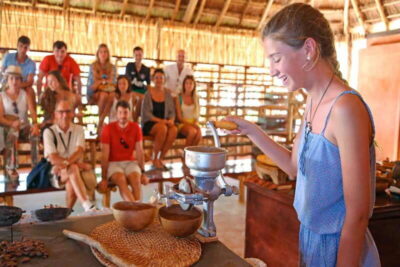
Browse the lists this tour appears in