
Reviewed · PUERTO VALLARTA TOURS
Whale and Dolphin Watching with a Biologist in Puerto Vallarta
What makes this tour so interesting is the biologist-led approach, plus the chance to take part in citizen science while you’re watching whales in the wild. I love the up-close humpback encounters and the way the guide turns what you’re seeing into a real learning moment (like listening to whales through a hydrophone). One drawback to plan for: wildlife sightings depend on animals being in the bay and on good conditions, so you do want some flexibility.
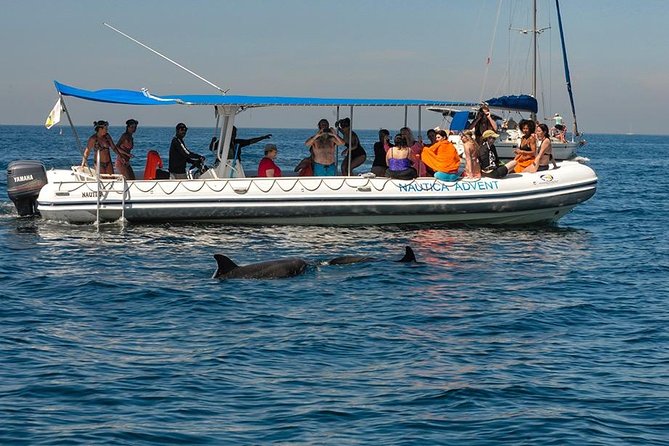
You’ll start at Opequimar Centro Marino in Marina Vallarta, then head out on a small, covered boat that keeps the experience intimate. I also like that the group is capped at 20, which helps you stay in the action instead of feeling stuck behind a crowd.
A lot of people keep mentioning the guided details, and you can feel why. Names you may hear on the water include Jema/Gemma and Camila, and the pre-cruise setup can include hands-on learning like touching baleen, then going to sea to hear underwater whale singing.
Key moments that make this whale and dolphin tour worth your time
- Biologist guide experience: Masters-level marine ecology focus, plus science and wildlife storytelling.
- Whale songs on a hydrophone: You don’t just watch surface behavior, you hear it too.
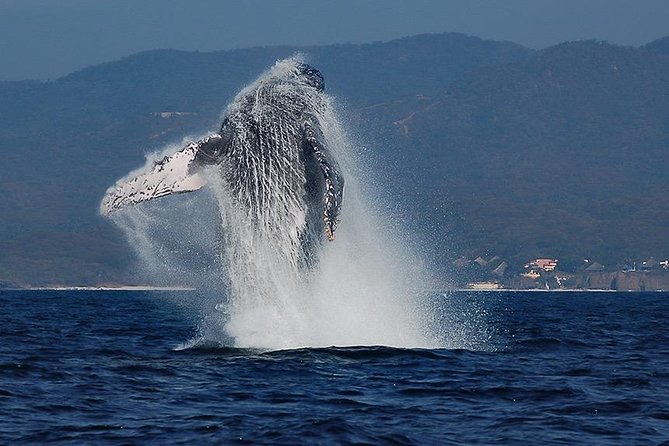
- Winter humpbacks in Puerto Vallarta: Mating and birthing season brings humpbacks into the bay.
- Small group on a covered boat: Easier viewing, more “in it together” energy.
- Citizen science participation: Your actions and observations help support ongoing research.
- Mix of marine wildlife: Dolphins, turtles, and giant mantas are all in the mix, with luck for Orcas.
Marina Vallarta humpback season, and why this tour feels more than “just spotting”
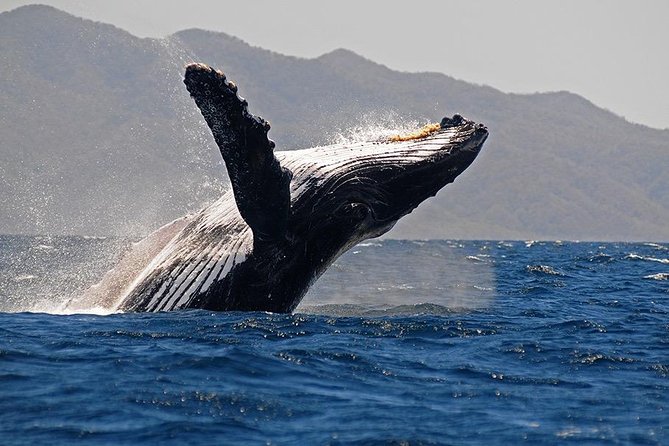
Puerto Vallarta’s whale season in winter is the main reason to book something like this. Humpbacks show up in the bay at the time they mate and give birth, which means you’re not just hunting for animals, you’re watching real life stages. This tour is built around that window, and it also mixes in dolphin watching during winter.
The big difference is the guide. Instead of a generic narration, you get a cetacean specialist working like a science interpreter. That matters because humpback behavior can look random if you do not know what to look for, but it makes sense once it’s put into context. You’ll understand what you’re seeing, and you’ll notice more in the moment.
More Puerto Vallarta options side by side
- Whale & Dolphin Watching Cruise in Puerto Vallarta All Inclusive
★ 4.0 · 212 reviews - Destin: Dolphin Watching Cruise
★ 4.8 · 219 reviews - Dolphin Watching Tour
★ 5.0 · 103 reviews
The biologist in charge: research support you can actually take part in
The guide team here is described as biologists with strong marine ecology credentials, including a Masters degree in Marine Ecology. They also bring science journalism and wildlife photography skills, and they run research programs that involve whales and dolphins. The tour is not just educational. It is structured so your participation helps make their research possible.
That “citizen science” angle is the heart of the value. When a guide asks you to help with research tasks during the outing, you stop being a passive spectator. You become part of the process, which also changes how you pay attention. I like this model because it keeps the experience grounded in real work, not just hype.
People also mention hearing whales through a hydrophone during the trip. That is one of those details that instantly separates this from a basic whale watch. You get the visual plus the sound, and the guide uses that to teach how whales communicate.
What you might see: humpbacks, calves, dolphins, mantas, and more
During the winter months, humpback whales are the star. You can look for familiar moments like whales surfacing close enough to see behavior clearly, and potentially mother and baby activity. Several people highlight baby whales and mothers, including stories of calves surfacing near the boat and engaging in playful behavior.
Dolphins are another major part of the mix. The tour description lists multiple possible species, including bottlenose dolphins, spotted dolphins, spinner dolphins, and rough toothed dolphins. With luck, you might also see Orcas or false orcas. That “with luck” wording is realistic, but it also sets expectations properly. You’re not buying a guarantee for every species, you’re buying a guided search for the wildlife that’s in the area that day.
You may also see giant mantas and marine turtles. These are the kinds of animals that can be easy to miss if you are not out there with a guide who knows what patterns to look for. The tour’s whole premise is that the guide’s cetacean specialization increases your odds of finding the action.
How the learning starts before the boat even leaves Marina Vallarta
There’s usually an on-land educational moment before you go out. People mention a pre-cruise presentation that can include hands-on learning, like touching baleen and looking at vertebrae. That kind of setup does more than entertain. It gives you a mental reference point so that when you see a whale later, you understand scale and structure instead of just seeing a big animal.
Guides also set expectations for the kinds of whale groups you might encounter and what their behavior could mean. This helps you connect the dots while you’re on the water, especially when the action moves from one spot to another.
More days out of Puerto Vallarta:
- Puerto Vallarta Best Zipline Canopy + Tequila and Speed Boat Ride
★ 5.0 · 3,786 reviews - Winner 2025 Downtown Vallarta Food Tour with Vallarta Food Tours
★ 5.0 · 3,738 reviews - Extreme Adventure, Wildest Bridge, ATV & Ziplines
★ 5.0 · 3,179 reviews - Mega Yacht ALL INCLUSIVE Yelapa Waterfall & Snorkeling Adventure
★ 5.0 · 2,515 reviews
The covered small boat experience: easier viewing and better teamwork
This outing runs on a small boat, with a stated maximum of 20 travelers. Reviews describe groups often feeling even smaller, which usually means easier movement and less blocking. That detail matters because whale watching is all about positioning. If you cannot move or you are squeezed into one viewing angle, the best moments can be harder to enjoy.
A covered boat is another practical win. It helps with sun and splash, and it can make the ride more comfortable while you wait for animals to surface. On the water, people also mention teamwork between the biologist and the captain, with the captain maneuvering to get the best angles while still maintaining a respectful distance.
Life jackets are provided, and staff help you get clipped in before you go. That sounds basic, but in real life it helps reduce stress when you are about to head out on a moving vessel.
The day on the water: a 4-hour search that stays flexible
Plan for about four hours on the water. The overall flow is designed around finding animals, staying with them long enough to learn from the behavior, then moving when conditions suggest it. Whales do not stick to a schedule you can control, so the “timing” is more like pacing than a fixed itinerary.
People often report seeing whales relatively quickly, sometimes within minutes of launch. Still, some trips start slower, then pick up after an hour. The key is that the guide and captain keep searching, and the teaching continues even while the hunt is underway.
Food is also part of the experience. Multiple people mention sandwiches and soft drinks during the outing. This is not just a snack stop. It helps you settle in, stay calm, and keep your energy up while you watch for surfacing patterns.
Up close does not mean careless: how the guide shapes what you do and see
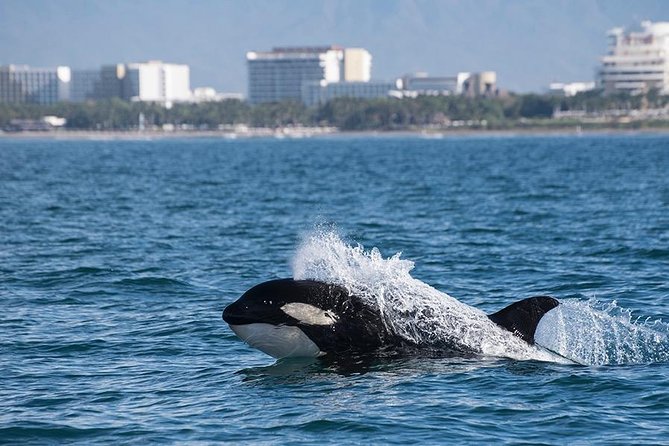
The most consistent praise here is how close you can get while staying within a respectful viewing approach. That is a captain and guide skill, because humpbacks can surface quickly and then move. Getting good views often comes down to being in the right location at the right time, then letting whales be the ones to decide what happens next.
You also get real-time learning. With the hydrophone, the guide can share whale songs, and that turns the trip into a two-sense experience. Hearing those underwater calls changes what you notice above the surface. You start watching for context, not just spectacle.
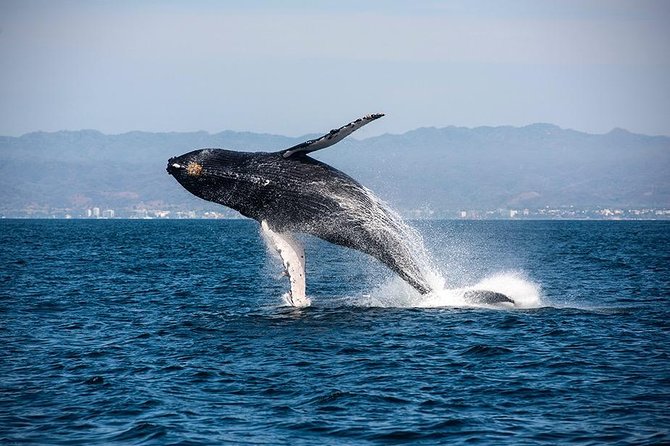
People also mention moments like whales breaching, including mothers with calves. Others describe multiple whales together, including pods of males. One report includes what sounds like repeated breach action over a sustained period. When these things happen, it tends to feel like the guide’s search process has been paying off.
Dolphins, mantas, and turtles: the wildlife mix keeps the pace lively
Whale watching can be dramatic, but dolphins and other animals help keep the experience from feeling like “wait, wait, wait.” The dolphin portion can include pods with lots of active movement. The tour description explicitly lists several dolphin species, and on the water people talk about playful dolphin behavior near whales.
Turtles and mantas show up less often than whales and dolphins, but that’s part of why the search with a specialized guide is valuable. If you see one of these animals, it often feels like a bonus moment because it adds variety to what would otherwise be a single-species watch.
The guide team on the water: names you might hear, and the vibe they bring
You may get different guides depending on the day, but the names mentioned include Jema/Gemma and Camila. Captains you might see named include Jorge, Caesar, and Cesar. People consistently praise the combination of confident navigation and clear science teaching.
There’s also a human layer. Some people mention small touches, like birthday singing, or the guide spending extra time making sure everyone has a good view. That is not required for a wildlife tour to be great, but it helps turn a good day into a memorable one.
Price and value: what $105 buys you beyond the boat ride
At $105 per person for roughly four hours, the cost is not “cheap,” but it also is not just a transportation fee. You are paying for:
- A specialist biologist guide with strong marine ecology credentials
- A science and research-focused approach, including citizen science participation
- Whale communication tools like a hydrophone setup
- A small-group format with a max of 20 travelers
- A covered boat experience
- On-board snacks mentioned by many guests, like sandwiches and soft drinks
If you are choosing between a general whale tour and one that blends research and hands-on learning, this is one of the closer-to-meaning options. You are not only trying to spot animals, you are learning how to interpret what they are doing and contributing to study work.
There is also a stated guarantee: if they cannot find the animals, they offer money back. That is a meaningful promise in the whale watching world, where conditions and animal movement are never fully controllable.
When it might not be perfect: what to expect when whales are not cooperating
The biggest reality check is simple. Whales are wild animals. Some trips can start slower, with the action building after you’ve been out for a while. Even with a strong guide team, you are dependent on animals coming into the area and conditions being suitable for the outing.
Weather matters here. The tour requires good weather, and if it is canceled due to poor weather, you are offered a different date or a full refund. That is the right kind of policy for a nature-based activity.
Another small practical note: there is no bathroom on board, so plan accordingly. That detail can shape how comfortable you feel during a four-hour excursion.
Who should book this whale and dolphin tour, and who should think twice
This is a strong choice for you if you want more than a sightseeing cruise. If you care about whales as living animals with behavior patterns you can learn to read, the biologist-led approach is exactly the point.
It’s also a good match for families and groups who like structured learning. People mention taking teenagers and enjoying the combination of education and real wildlife moments.
If you are pregnant, note the guidance: it is not recommended for persons more than 7 months pregnant. If that applies to you, you should choose an alternate activity where the safety guidance aligns with your situation.
Service animals are allowed, and the meeting point is near public transportation, which can make planning easier.
Should you book it?
I think this is a yes for most people traveling during the winter humpback season who want:
- A small-group boat experience
- A biologist guide who teaches behavior, not just facts
- Whale songs via hydrophone and hands-on learning like baleen
- The chance to see a mixed wildlife cast, including humpbacks plus dolphins, turtles, and mantas
Book it especially if you like nature experiences with a real learning angle and you do not mind that sightings depend on nature. If you hate any uncertainty at all, or you are uncomfortable with the idea that the trip requires good weather and a bit of waiting time, then you might prefer a more predictable attraction.
FAQ
How long is the whale and dolphin watching tour?
The tour lasts about 4 hours.
Where do I meet for the tour in Puerto Vallarta?
You meet at Opequimar Centro Marino, Av. Paseo de la Marina Sur 214, Marina Vallarta, 48450 Puerto Vallarta, Jal., Mexico. The activity ends back at the same meeting point.
Is the tour offered in English, and do I get a ticket on my phone?
Yes, the tour is offered in English, and it includes a mobile ticket.
What animals can I expect to see?
You’ll be looking for humpback whales in winter, along with dolphins (including bottlenose, spotted, spinner, and rough toothed), and with luck, Orcas or false orcas. The tour also notes possible sightings of giant mantas and marine turtles.
What makes the guide different from a standard whale watch guide?
The tour is led by cetacean specialists, described as biologists with advanced marine ecology credentials. The guide also shares information during the trip and includes participation in research, plus the use of a hydrophone to share whale singing.
How big is the group?
The tour has a maximum of 20 travelers.
Is there a bathroom on the boat?
No bathroom is available on the boat, so plan accordingly.
Is the tour recommended for pregnant travelers?
It is not recommended for people more than 7 months pregnant.
What happens if poor weather cancels the trip?
If the experience is canceled due to poor weather, you will be offered a different date or a full refund.
New reviews in from Puerto Vallarta
- Edenva Ecotourist Park in Puerto Vallarta★ 5.0 · 292 reviews
- ATV OR RZR- Escape to the mountains for 4 hours★ 5.0 · 293 reviews
- Puerto Vallarta Luxury Sailing with Premium Open bar & lunch★ 5.0 · 301 reviews
- Puerto Vallarta Roundtrip Shuttle Airport Transfer★ 4.0 · 306 reviews
- Full-Day Experience in Banderas Bay★ 5.0 · 309 reviews
- Taste of Pitillal Food Tour by Vallarta Food Tours★ 5.0 · 315 reviews
- Puerto Vallarta, Original Canopy Tour Zipline (For Cruises)★ 5.0 · 322 reviews
- San Sebastian del Oeste★ 4.5 · 323 reviews
Puerto Vallarta Tours, compared.
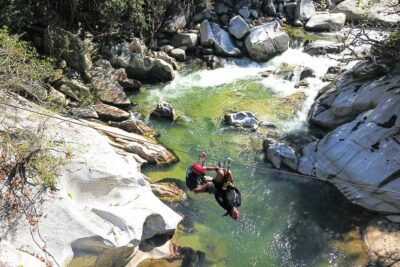
Puerto Vallarta Best Zipline Canopy + Tequila and Speed Boat Ride
Read our review →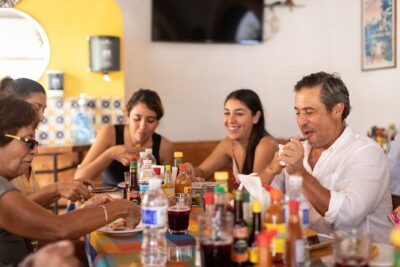
Winner 2025 Downtown Vallarta Food Tour with Vallarta Food Tours
Read our review →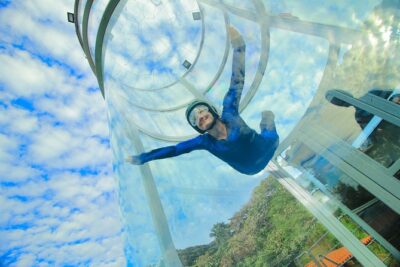
Extreme Adventure, Wildest Bridge, ATV & Ziplines
Read our review →
Mega Yacht ALL INCLUSIVE Yelapa Waterfall & Snorkeling Adventure
Read our review →
Food & Mixology Tour:Tequila,Tacos, Mezcal and Agave Cocktails
Read our review →
Outdoor Ziplining, Waterfalls & Speed boat in Puerto Vallarta
Read our review →
Rhythms of the night, Sunset Cruise, Candlelit Dinner & Alma Show
Read our review →
Boat and Snorkel Tour to 5 Islands of Los Arcos
Read our review →Browse the lists this tour appears in