
Reviewed · VALLADOLID TOURS
Xkopek, Mayan Bees Tour and Honey Tasting in Valladolid
This tour is interesting because you get to see stingless Mayan bees at work in a dry cenote setting, not in a polished, sterile display. You start with a walk through local plants, then head down into the cenote vault, and the bees are just part of the natural scene.
I especially like two things. First, the hands-on way the guide explains how honey production connects to specific plants you can actually spot on the trail. Second, the tour ends with a real tasting, including honey from the bees and other hive products, plus a honey-sweetened drink.
One drawback to think about up front: this is a walking tour with stairs and stony sections, and it is not suitable for children under 5. If you have knee issues or hate uneven ground, you may want to skip it.
Key things I’d circle on your itinerary
- Dry cenote bee viewing in the wild, with bees that won’t sting you
- Plant walk for honey production, where you learn what matters and why
- Meliponario visit and hive structure, including opening a beehive to observe the architecture
- Honey tasting that is more than one flavor, with multiple hive products to sample
- Small group, bilingual guide, limited to 10 participants so you can ask questions
- Convenient start point in Valladolid, taxi or Google Maps gets you to Xkopek Parque Apícola
A 90-minute Valladolid plan centered on Mayan bees and a dry cenote
Xkopek’s Mayan Bees Tour is built like a short nature lesson you can actually taste. The whole experience runs about 90 minutes, and for the money, you get more than a quick look at bees. You get context for how stingless bees live, how they support local plant life, and how that turns into honey and other hive products.
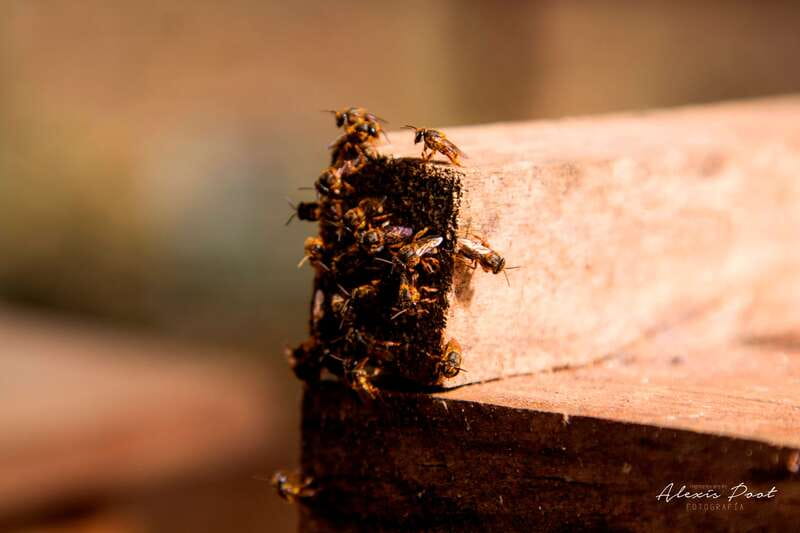
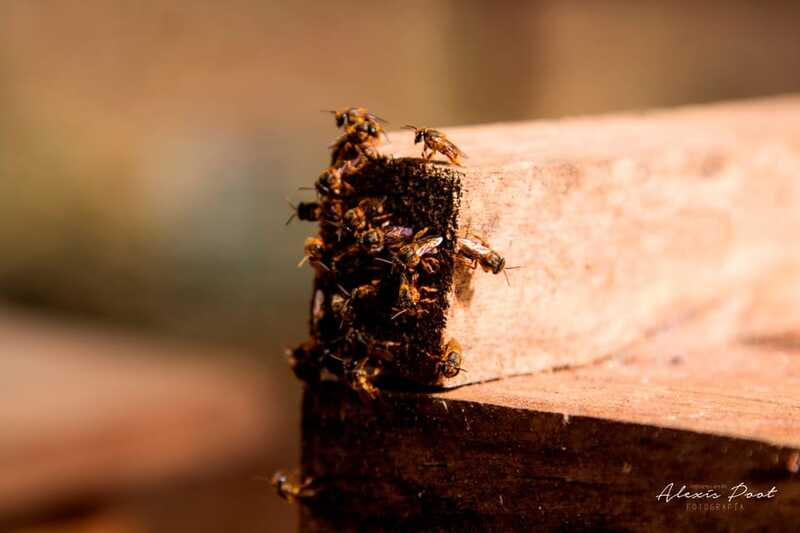
This is the stingless-bee type of beekeeping, not the dramatic, buzzing, stinging kind you might picture. The tour info is clear about it: the bees don’t have stings, so you can observe them without that constant worry. That matters. It lets the focus stay on what the bees are doing, not on staying back and hoping nobody waves a hand too close.
The group stays small, limited to 10 participants. That usually means the guide can slow down when people have questions, and it helps keep the experience feeling personal rather than like you’re passing through a checklist.
More Valladolid options side by side
- Valladolid Mayan Bees Tour with Lunch or breakfast and Honey Tasting
★ 5.0 · 193 reviews - Cabo Beach Camel Ride, Mexican Buffet and Tequila Tasting
★ 5.0 · 8,815 reviews - Early morning Chichen Itza Tour: Cenote and Tequila Tasting
★ 5.0 · 6,657 reviews
Getting to Xkopek Parque Apícola, what to wear, and what to expect on the ground
Your meeting point is Xkopek Parque Apícola, Calle 57 x 38, Colonia San Juan, a un lado del Sindicato de Taxistas Los Frailes, por Villas del Sol. Plan on using a taxi or plugging the address into Google Maps.
Before you go, I’d think about your shoes first. This tour includes stairs and stony areas, so closed shoes are a must. Comfortable clothing helps because you are moving through a real outdoor site, not a flat walkway.
Two practical rules that affect what you bring:
- You should use only organic repellent (that is the allowed kind for this tour).
- Come ready for a walk that includes uneven ground, so don’t count on flip-flops or flimsy sandals.
Also note the age rule. If you have kids, this tour is not suitable for children under 5. That is less about the insects and more about the walking portion and the overall length and pacing.
First stop: the walking intro and the descent into the dry cenote
The experience begins with a walking portion where your bilingual guide sets the stage. You’ll learn about local plants and why they matter before you even reach the cenote area.
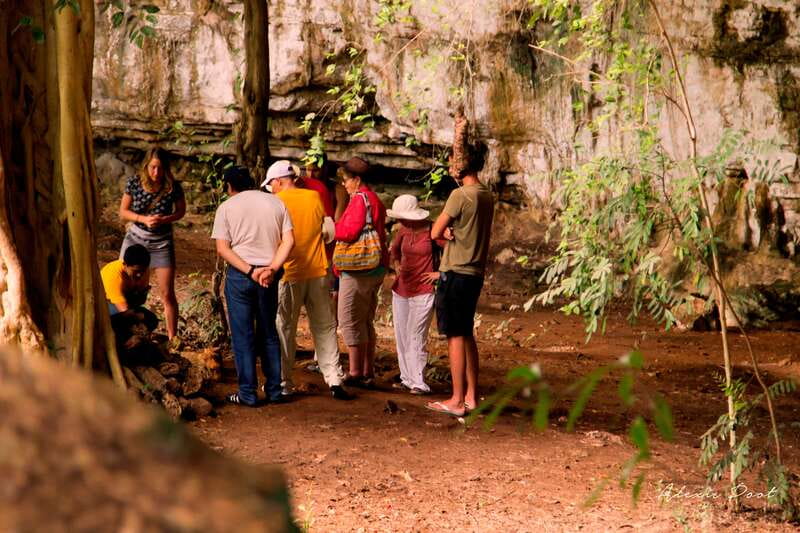
Then comes the moment people remember: a stairway descent to a dry cenote. You’re not going to float around in deep water. This is a cenote vault you enter and see as part of the surrounding ecosystem. During the descent and inside the vault, you’ll spot local plant varieties and learn about them.
After that, you enter the cenote vault where you can see local bee varieties in their more natural and wild state. This is where the tour feels different from typical zoo-style animal viewing. The bees are just doing their normal work as part of the environment, and your guide helps you connect the behavior to what you’ll later see in the beekeeping setup.
If you’re the type who likes explanations more than just photos, you’ll probably enjoy this section the most. The guide uses the cenote setting as a living classroom.
The plant trail: why honey production starts with what grows
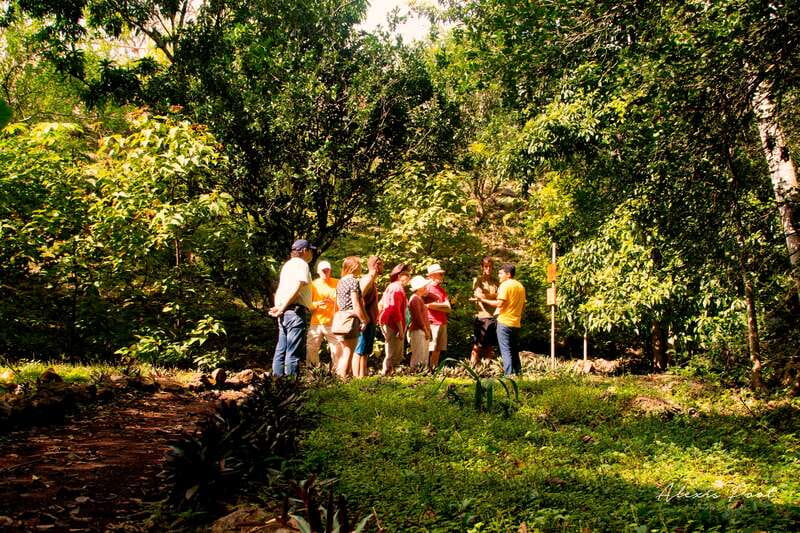
Between the cenote and the beekeeping area, you walk down a path in the jungle. Here the tour shifts from “see the place” to “learn what the place provides.”
You’ll learn to identify the main plants used for honey production. That sounds like a small detail, but it changes how you experience the tasting at the end. Instead of thinking of honey as a generic product, you start seeing it as a result of specific plant sources.
This is also one of the most useful parts for value. Many tours show you an end product and let you guess how it gets made. This one links the plants you saw earlier to the hive work and the honey flavors you’ll later taste.
And since this is a small group, it’s easier to keep up. You’re not trying to read a sign while everyone else marches ahead.
Something else to do with a Valladolid day:
- Valladolid: Chichen Itza + 2 Cenotes with Shared Transportation
★ 4.8 · 109 reviews - Full Day Tour Chichen Itza plus Cenotes From Valladolid
★ 4.0 · 107 reviews
Meliponario time: hive architecture, honey process, and hive products
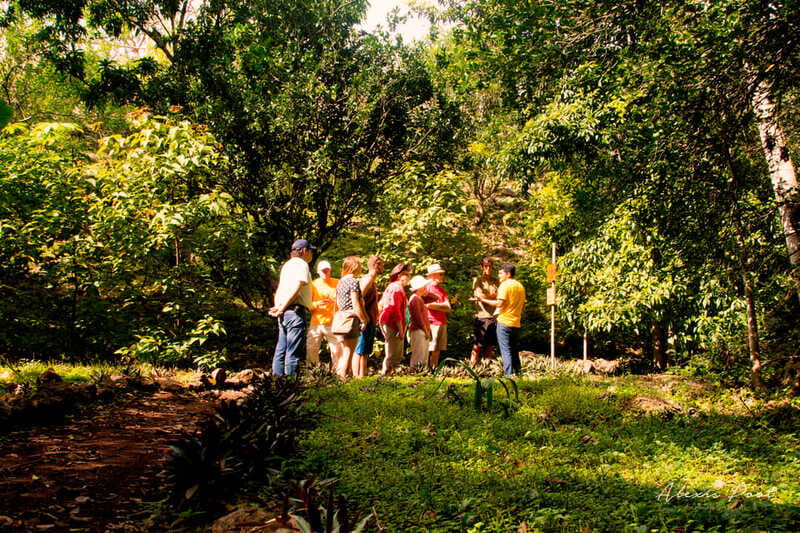
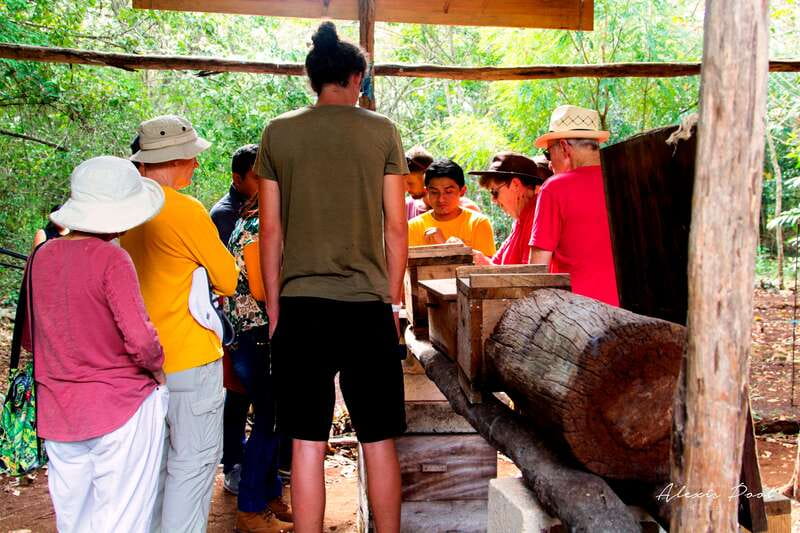
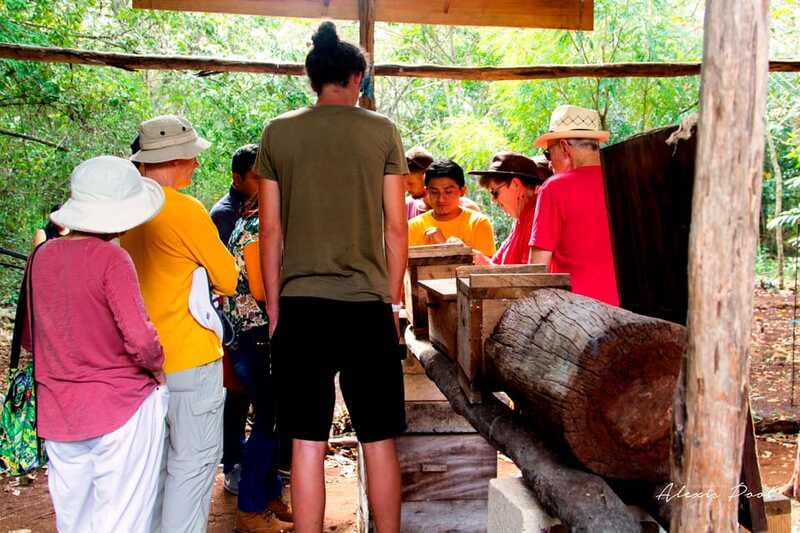
The next big stop is the Meliponario. This is the beekeeping and explanation zone, where the tour connects the wild observations from the cenote to how people manage stingless bee colonies.
You’ll learn about the process of honey production and also hear about other products of the hive. The tour framing includes health properties tied to those products, so be ready for a mix of science-adjacent explanation and traditional use claims.
Then you get something that makes this tour worth doing, even if you’re not a die-hard honey person. You may be able to open a beehive to observe the architecture. Seeing the internal structure up close changes everything. Honey tasting is fun, but watching how a hive is built is where the “wow, that’s engineered” feeling kicks in.
A strong review highlight is the guide’s clarity. One guide name that came up was Eduardo, and the feedback was that he was very knowledgeable and answered questions in a way that felt genuinely useful, not like a script read at you.
Honey tasting and hive products: how to get more from the samples
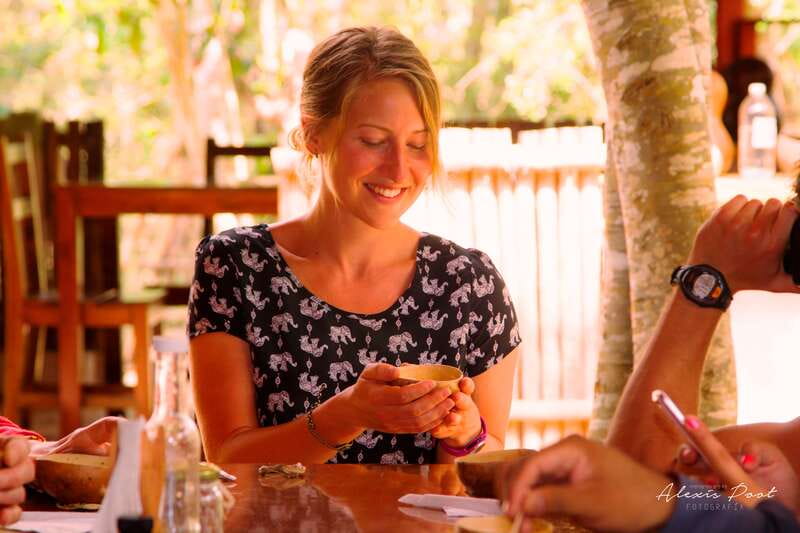
The tour wraps up with honey tasting and other hive products. This part is not a tiny, polite sip. You get to sample multiple items, and you’ll likely be comparing flavors and textures rather than just taking one taste and moving on.
The tour also includes a sweet drink made with honey. If you’re someone who thinks honey only belongs in tea, this is a nice reminder that honey can show up as a flavor booster in drinks too.
Here’s how I’d approach the tasting so you actually learn something:
- Start with the milder options, then work toward stronger or darker flavors.
- Pay attention to thickness. Some honey samples can feel more like a spread than a syrup.
- Compare any “other hive products” you’re given. Even if you do not love every sample, the contrast is the point.
If honey is your thing, this is the part you’ll look forward to most. Several people singled out the tasting as a real treat, and it’s also the final tie-in to the plant walk. You taste, then you remember the plants you were shown.
There’s also a small store at the end. You can pick up honey and souvenirs, and you can take a souvenir photo to remember the day.
Price and value: what $18 buys you in real terms
At $18 per person for about 90 minutes, this tour sits in the “good value” category for Valladolid. The key reason is the package is not just a guided walk. It includes:
- Admission to the site
- A bilingual guide (Spanish and English)
- Honey and other hive product tasting
- Fresh water
- A gift
And the group stays small, limited to 10 participants. Small-group instruction plus tasting usually costs more than people expect elsewhere.
What it does not include is also important. You’ll need to handle transportation on your own, and food is not included. Lodging is, of course, not included. A practical move is to plan to eat afterward.
One review noted that there’s a small cafe nearby for food, so you’re not stuck hunting for lunch immediately after the tour.
Who should book this tour, and who might not love it
This is a great fit if you:
- Like nature tours that also teach a process, not only point out scenery
- Want a close-up experience with bees that won’t sting
- Enjoy food tastings, especially when they connect to real-world sources
- Appreciate small groups and bilingual guiding
It may not be the best match if you:
- Need fully flat, stroller-style terrain
- Are traveling with kids under 5
- Are sensitive to walking on stairs and stony paths
- Prefer tours that are mostly indoor or mostly seated
If you’re the kind of traveler who loves learning by watching, this tour rewards you. And if you’re more of a foodie, the tasting is the payoff that makes the learning stick.
Should you book the Xkopek Mayan Bees Tour?
If your schedule allows, I think this is a smart booking in Valladolid. For a short, $18 price, you get the rare combination of a dry cenote visit, plant identification tied to honey production, and a finish that actually lets you taste the products of the hive.
Book it if you want an experience that feels grounded in the local environment rather than a generic honey shop stop. Skip it if stairs and uneven ground are a deal breaker, or if you’re traveling with young kids under 5.
FAQ
How long is the Xkopek Mayan Bees Tour?
The tour lasts about 90 minutes.
How much does the tour cost, and what’s included?
It costs $18 per person. Admission is included, along with a bilingual guide, honey and other hive product tasting, fresh water, and a gift.
Is this tour suitable for children?
It is not suitable for children under 5 years old.
Where do I meet the guide?
You meet at Xkopek Parque Apícola, Calle 57 x 38, Colonia San Juan, a un lado del Sindicato de Taxistas Los Frailes, por Villas del Sol. You can reach it by taxi or by using Google Maps.
What languages is the tour guide?
The guide speaks Spanish and English.
Do the bees sting?
The tour notes that the bees won’t sting you because they do not have stings.
What should I wear or bring?
Wear comfortable clothes and closed shoes. The trails include stairs and stony areas. Only organic repellent is allowed.
New reviews in from Valladolid
- Full Day Tour Chichen Itza plus Cenotes From Valladolid★ 4.0 · 107 reviews
- Valladolid: Chichen Itza + 2 Cenotes with Shared Transportation★ 4.8 · 109 reviews
- Valladolid Mayan Bees Tour with Lunch or breakfast and Honey Tasting★ 5.0 · 193 reviews
- From Valladolid: Tour to Chichen Itza & 2 Cenotes★ 4.9 · 92 reviews
- FROM VALLADOLID RIO LAGARTOS + LAS COLORADAS + CENOTE (COLECTIVO TOURISTIC)★ 4.7 · 37 reviews
Valladolid Tours, compared.
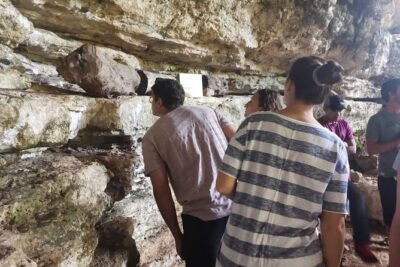
Valladolid Mayan Bees Tour with Lunch or breakfast and Honey Tasting
Read our review →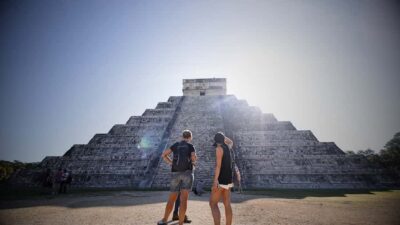
Chichen Itza + 2 Cenotes with Shared Transportation
Read our review →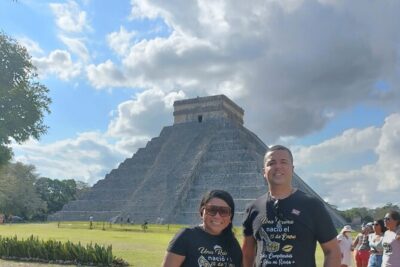
Full Day Tour Chichen Itza plus Cenotes From Valladolid
Read our review →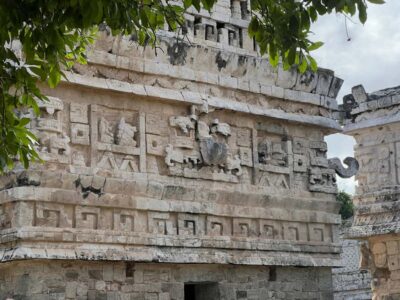

FROM VALLADOLID RIO LAGARTOS + LAS COLORADAS + CENOTE (COLECTIVO TOURISTIC)
Read our review →Browse the lists this tour appears in