
Reviewed · CITY TOURS
Puebla: Walking Tour of Puebla City
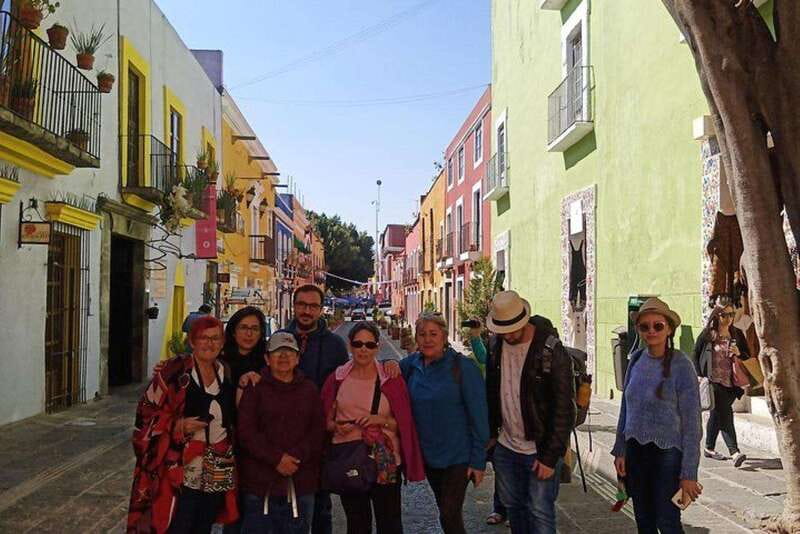
Puebla is one of those cities where the streets feel like they come with footnotes, and this walking tour hits the main scenes fast, with stories tied to real places and names. I love how the route starts at the Zócalo de Puebla, then moves from legend to landmark without turning the walk into a lecture. The best part is getting the background that makes the buildings and alleys make sense.
My other big win is the stop at Biblioteca Palafoxiana, because you don’t just see a pretty interior. You get why this library matters, and that changes how you look at the rest of the center. The same goes for the guide style, with people like Renato and Josué showing they genuinely enjoy explaining Puebla.
One thing to consider: key entry stops are not included, including the Biblioteca Palafoxiana and Puebla entry, so you should plan a little extra cash if you want to go inside everything. Also, while the tour is listed as 3 hours, some days can feel closer to about 2 hours depending on timing.
Key things to know before you go
- Miguel Arcángel fountain is your meeting point, right in the Historic Centre.
- Zócalo + Cathedral give you the big visual anchor for Puebla’s look and feel.
- Biblioteca Palafoxiana is a top cultural stop, with an included guided visit.
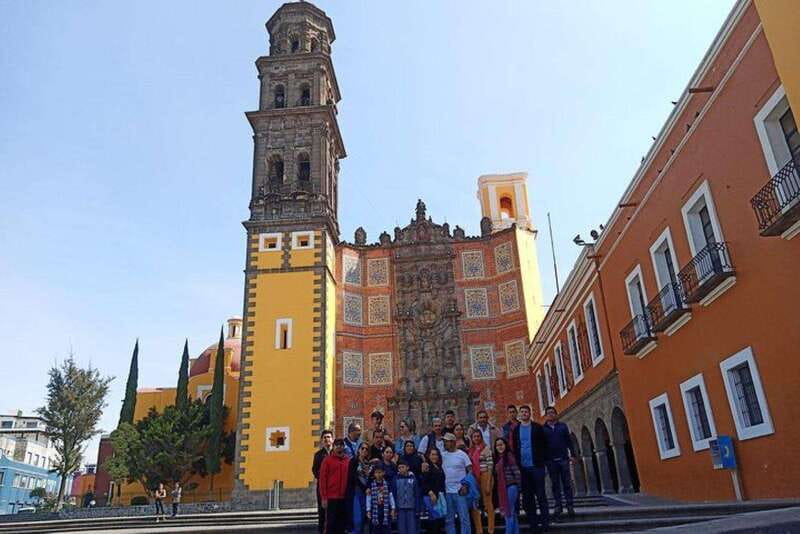
- Callejón de los Sapos and the surrounding legends add color beyond the main plazas.
- Street of Candies includes a tasting, then you can shop for sweets and crafts.
- Local guide in English or Spanish, with a track record of customizing the info for your interests.
Start at the Miguel Arcángel fountain, then get your bearings on Puebla’s Zócalo
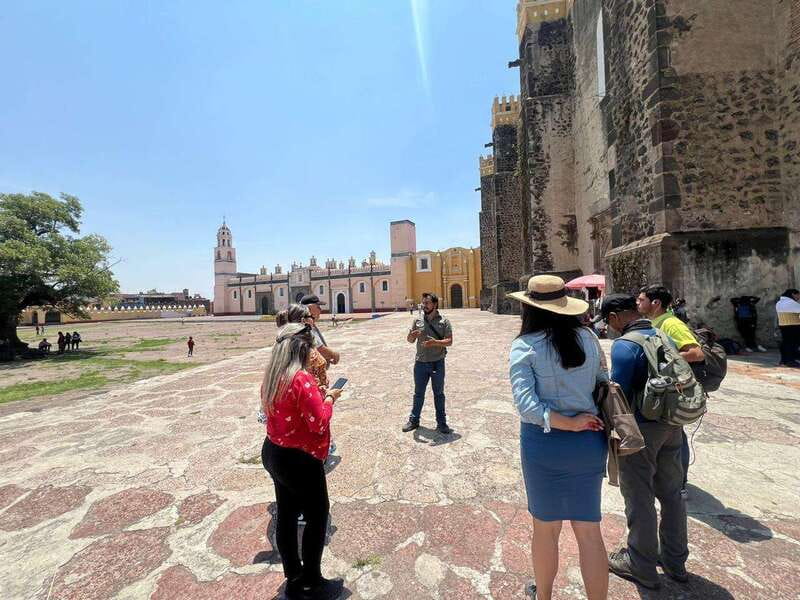
You meet at the Miguel Arcángel fountain in Puebla’s Historic Centre, which is a smart way to begin. From there, you can immediately orient yourself. Puebla’s center is compact enough for a walking tour, but large enough that having a guide help you spot what matters saves time and confusion.
The first big moment is the Zócalo, the city’s main square. This is where you learn to read the layout: why this plaza became the social and civic heart, and how the city’s identity shows up in the way people gather around it. Even if you know Puebla’s basics, the explanation here tends to make you notice details you’d normally miss, like how the surrounding streets funnel you toward the next landmark.
A good walking guide also keeps the pace friendly. You get short guided walks between stops, plus photo stops that let you actually use your camera without feeling rushed. Think of this as the foundation part of your visit, the bit that helps everything after it click.
More Walking Tours in Puebla:
- Historic Downtown Walking Tour
★ 5.0 · 1,289 reviews - Playa del Carmen Walking Food Tour
★ 5.0 · 1,274 reviews - Mexico City: Historic Downtown Walking Tour
★ 4.8 · 1,039 reviews
Puebla Cathedral: where the architecture does the talking, and why the guide matters
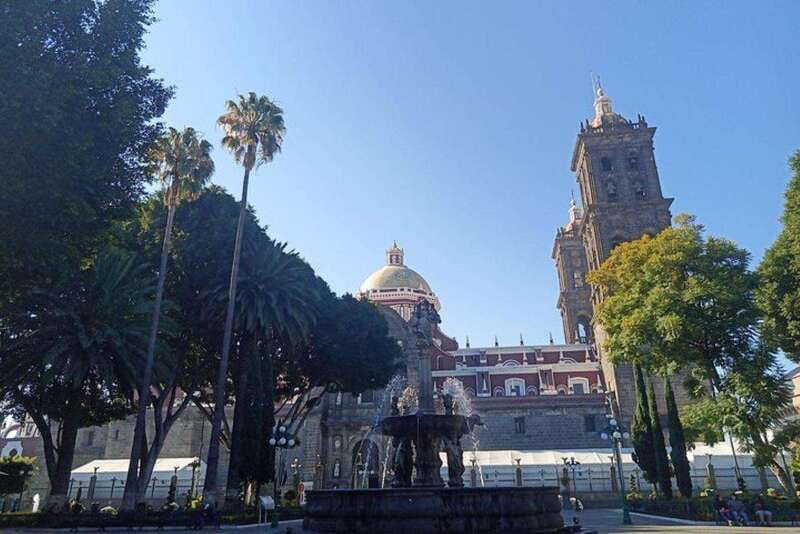
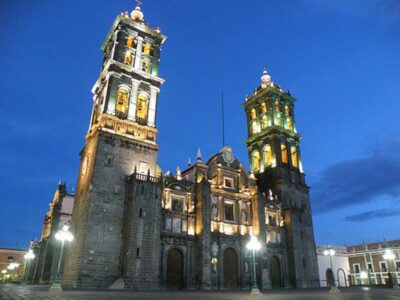
Next up is Puebla Cathedral. From the outside, you get that classic Puebla grandeur, the kind that makes people stop mid-step because the facade looks like it’s been carved for centuries. The tour gives you a guided orientation and a photo pause, so you can take in the building’s scale without trying to figure it out on your own.
What makes this stop work on a guided walk is not just the big visuals. It is the context. You learn what to look for and how different parts connect to Puebla’s story. If you are into art and religious spaces, the guide’s narration helps you see the cathedral as more than a photo backdrop.
There is also a practical angle: the cathedral is a ticketed stop for some areas, and entry is not included. That means you should plan for buying admission separately if you want the full inside experience. The upside is that you will likely spend your paid time in the right places, since the guide steers you toward what is worth your attention.
If you care about getting into specific chapels or side areas, you might find access depends on what is open on the day you go. A flexible guide can often help you make the most of what is available at the time.
Biblioteca Palafoxiana: an old library visit that changes how you view Puebla
Then comes the star for many people, the Biblioteca Palafoxiana. This is one of the oldest libraries in the Americas, and you feel it the second the tour shifts from plaza life to quiet, historic interior energy.
This stop is guided, so you do not just wander through rooms and racks. You get to understand what makes this library distinct, why it is preserved the way it is, and how it fits into Puebla’s larger role as a city of learning and culture. It is the kind of visit where the guide turns architecture and objects into story, and suddenly you are reading the place instead of just looking at it.
Because admission is not included, you’ll want to budget for the ticket. I like that tradeoff, though. You are paying for the guide’s interpretation, and then you decide how much you want to pay for the entrance itself.
This is also a great place to slow down. The tour keeps it to a short, guided visit (about 15 minutes), so you get the highlights without feeling like you are stuck in a long queue. You’ll come out with a clearer sense of why Puebla’s heritage is more than one pretty facade.
Arte Garden and the Callejón de los Sapos: the fun side of Puebla
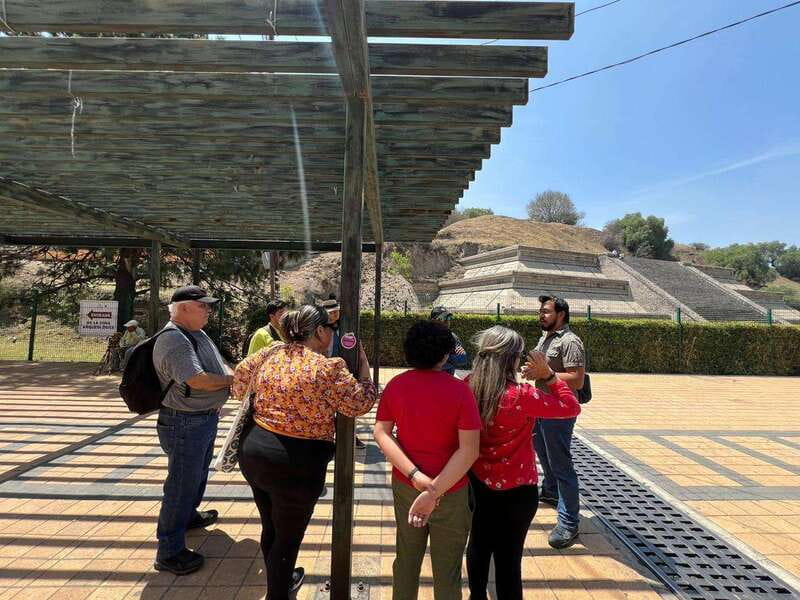
After the library, the tour heads toward smaller, more playful stops that make Puebla feel human. The Arte Garden is a quick photo and guided moment, and it helps reset your eyes after the more formal architecture.
Then you reach the Callejón de los Sapos, the famous Alley of the Frogs. This is a short break with a photo stop built in, and that matters. You are walking on a schedule, and cobbles and curves can add up, so having a short pause keeps the tour enjoyable instead of exhausting.
The alley itself is the kind of place where legends and everyday life overlap. You do not just see the details, you learn the story tied to the symbolism and the name. That turns a quick photo stop into a moment you actually remember, because you understand what you are looking at.
If you are traveling with friends who love quirky, local details, this section is usually where they start smiling. It is Puebla doing its best work at being specific.
Analco area and the Puente de Ovando legend, plus a taste-stop mood shift
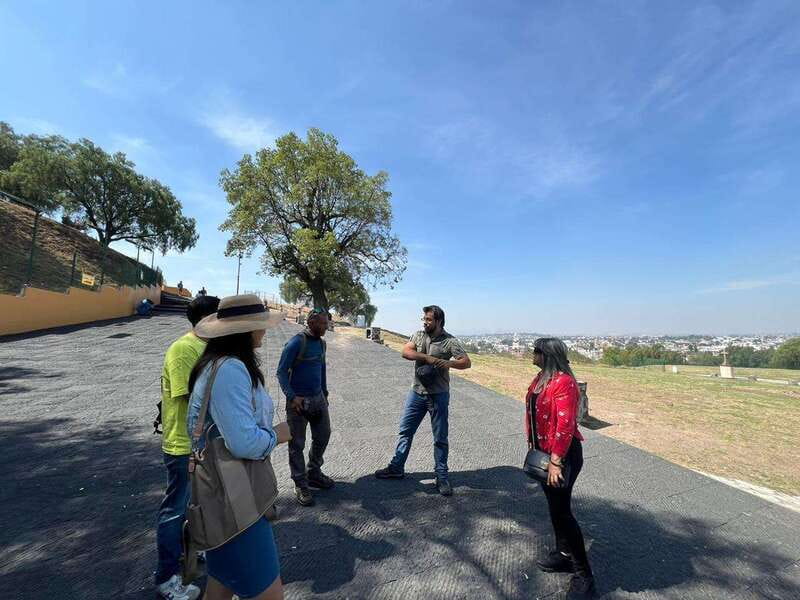
From the alley, the tour moves into the neighborhood of Analco. This is where you hear the legend of Puente De Ovando and why it is spoken about like it belongs to the street corners themselves, not just to history books.
A legend stop on a walking tour is valuable because it helps you connect place to identity. Instead of thinking, I saw a bridge, you start thinking, people in this neighborhood have told stories about this place for generations. That is the difference between a sightseeing loop and a real neighborhood walk.
You also get a pass by the La Pasita stop, which shifts the mood toward food and local flavor. Even if you are not sure what to expect, it gives you a chance to orient your appetite. By this point on a walking tour, you are usually ready for something sweet, salty, or at least a place to regroup before more shopping.
Parian Market for crafts and photo moments, then the Artist Quarter feel
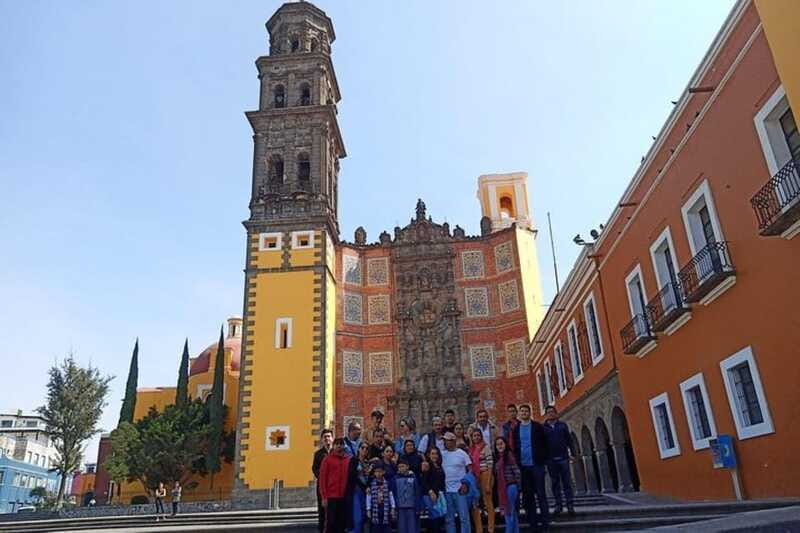
Next comes Mercado el Parian, with a guided stop and plenty of photo time. This is a classic market-style experience in the center, focused on crafts and shopping. The guide helps you slow down and notice quality instead of just rushing toward souvenirs.
What I like about this stop on a guided tour is that you can shop with context. You get a sense of what to look for and how to navigate so you do not end up buying something you could get anywhere. Even if you only want one small item, the guide’s pointers make it easier to buy intentionally.
Then the tour glides into the Artist Quarter. You get photo stops and a guided pass-by here, plus the creative energy of the area. This part works well if you like street-level culture, murals, and the feeling that the neighborhood is not just preserved, it is still alive and making.
Even with a short stop, you come away with a better idea of where artists and tradition meet in Puebla’s day-to-day.
Street of Candies and the Serdán Brothers House Museum: sweet breaks plus revolutionary context
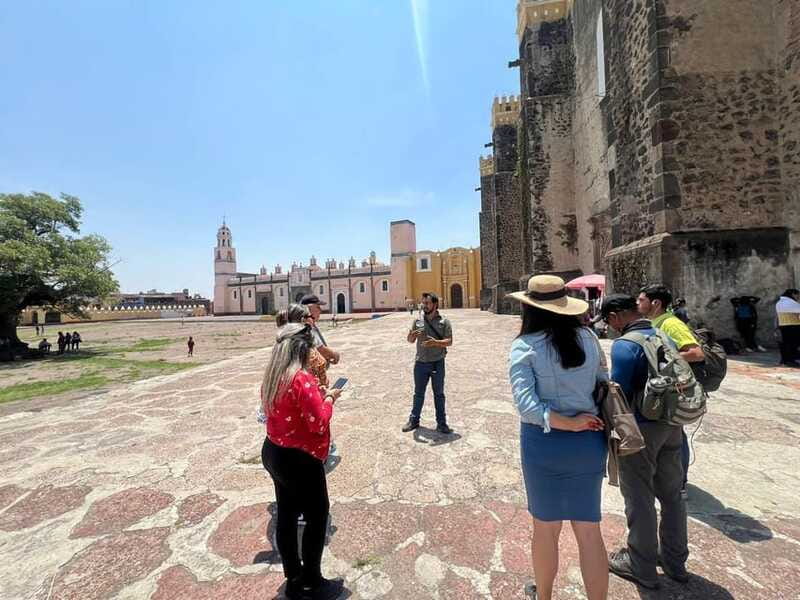
One of the most fun moments arrives when you hit the Calle de dulces de Sta. Clara, also known as the Street of Candies. This is where the tour adds a tasting, so you do not just browse. You sample. That is a smart move, because candy is one of those things where buying blindly can lead to regret, and tasting first makes your choice feel less risky.
After that sweet interlude, you head toward the Serdán Brothers House Museum. The tour includes a photo stop and guided orientation at Casa de los Hermanos Serdán, connected to the Museo Regional De La Revolución Mexicana. This is where Puebla shows another side of itself, the one that connects daily life to major moments in Mexican history.
I like how the walk sets you up for this. You go from plazas to legends to markets to candy, and then you end with the heavier context. It makes the museum feel less like a random add-on and more like the natural conclusion of the city’s story.
One practical note: museum and interior entries can be ticketed, and entry is not included for Puebla and the library. So plan your budget and your expectations for inside time.
The guide quality is the real value: what Renato and Josué bring to the walk
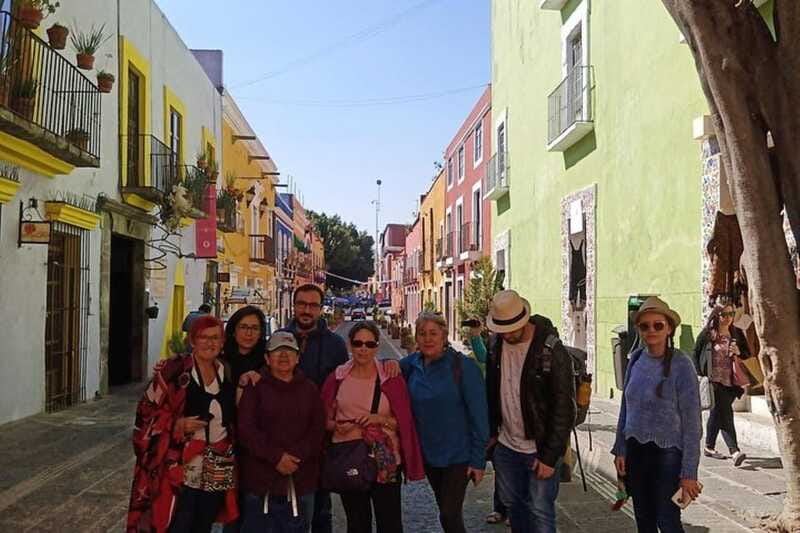
The price here includes a local guide, and that is where a lot of the value lives. The guides associated with this tour, including Renato and Josué, are consistently praised for being friendly, communicative, and for connecting the big sights to the smaller stories that make Puebla feel personal.
The standout pattern is how they tailor the walk. If you have a specific interest, like a legend, a detail in the cathedral, or a question about Puebla’s origins and nickname, the guide often makes room for it. That can turn a standard walking tour into something that actually feels custom, even if you are in a group.
It also helps that the guides make room for real moments, not just marching. Time for photos is built into the route, and the tone tends to be relaxed enough that you can enjoy the walk instead of only trying to hit the next stop.
How much walking and planning should you expect?
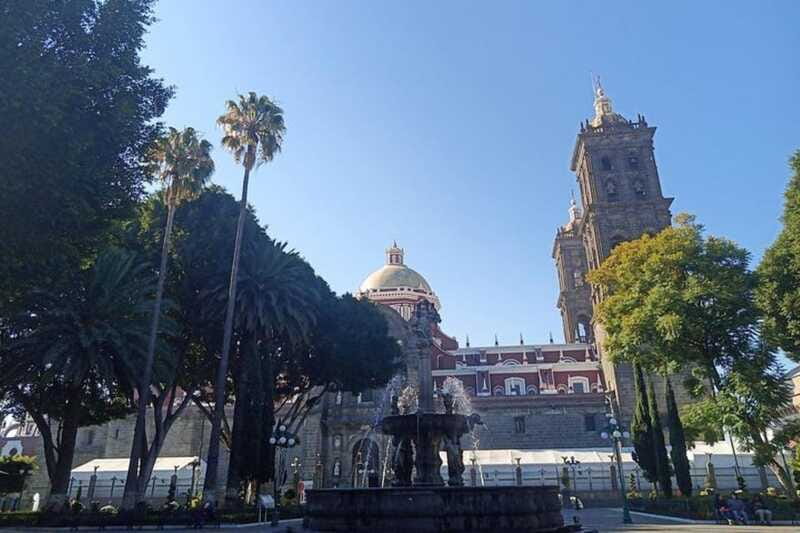
This is a 3-hour walking tour that stays in Puebla’s Historic Centre. The distance is manageable for most visitors, but it is still a walking day, and you will likely be on uneven pavement. I recommend sturdy shoes and a little water, especially if you are going in warm weather.
Because entry admissions for the Biblioteca Palafoxiana and Puebla are not included, it is smart to carry cash or a card just in case you decide to pay for full access. Also, bring a little flexibility for timing. Even with the listed schedule, some days can feel closer to around two hours, so if you are planning a tight connection right after, give yourself a buffer.
Should you book the Puebla City Walking Tour?
I think this tour is a strong choice if you want a fast, guided way to understand Puebla without bouncing between taxis or trying to plan every stop solo. It is especially worth it if you like the mix of major landmarks (Zócalo and Puebla Cathedral) plus story-driven details like Callejón de los Sapos and neighborhood legends.
Book it if you:
- want an efficient introduction to Puebla’s center
- care about guided context, not just photos
- enjoy markets and food moments like the Street of Candies tasting
- would rather pay for a good guide than spend hours hunting for what matters
Skip it or plan differently if you:
- only care about one or two places and hate paying separately for admissions
- have a hard time with short-notice schedule differences, since the experience can feel shorter on some days
If you want Puebla to make sense as you walk, this is the kind of tour that helps you do that, one story, one alley, and one landmark at a time.
FAQ
Where is the meeting point for the walking tour?
You meet at the Miguel Arcángel fountain in Puebla’s Historic Centre.
How long does the tour last?
The tour is listed as 3 hours.
What is included in the price?
The price includes a local guide.
Is admission included for the Puebla Cathedral and Biblioteca Palafoxiana?
No. Entry or admission for Biblioteca Palafoxiana and for Puebla is not included.
What language is the tour guide available in?
The live tour guide is available in English and Spanish.
What does the tour cover during the walk?
You’ll see and learn about the Zócalo de Puebla, Puebla Cathedral, Biblioteca Palafoxiana, Arte Garden, the Alley of the Frogs, Analco and the legend of Puente De Ovando, the Parian Market, the Artist Quarter, the Street of Candies with a tasting, and the Serdán Brothers House Museum.
What is the cancellation and payment flexibility?
You can cancel up to 24 hours in advance for a full refund, and you can reserve now and pay later.
New reviews in from Puebla
- Puebla: Cholula Magical Town Tour by Double-Decker Bus★ 4.3 · 74 reviews
- From Puebla: Guided Tour of Cholula★ 4.9 · 78 reviews
- From Puebla: Cholula and Atlixco Magical Towns Tour★ 4.2 · 154 reviews
City Tours, compared.
Teotihuacan & Guadalupe Shrine Tour with Lunch
Read our review →
Teotihuacan, Tlatelolco & Guadalupe Shrine Tour
Read our review →
Teotihuacan Hot Air Balloon Flight from Mexico City / Volare
Read our review →
Teotihuacan Early Access Tour & Optional Lunch
Read our review →

Browse the lists this tour appears in